

Monarchs are iconic pollinators facing dramatic declines. Xerces works with communities, land managers, and policymakers to restore the habitats monarchs need to survive.
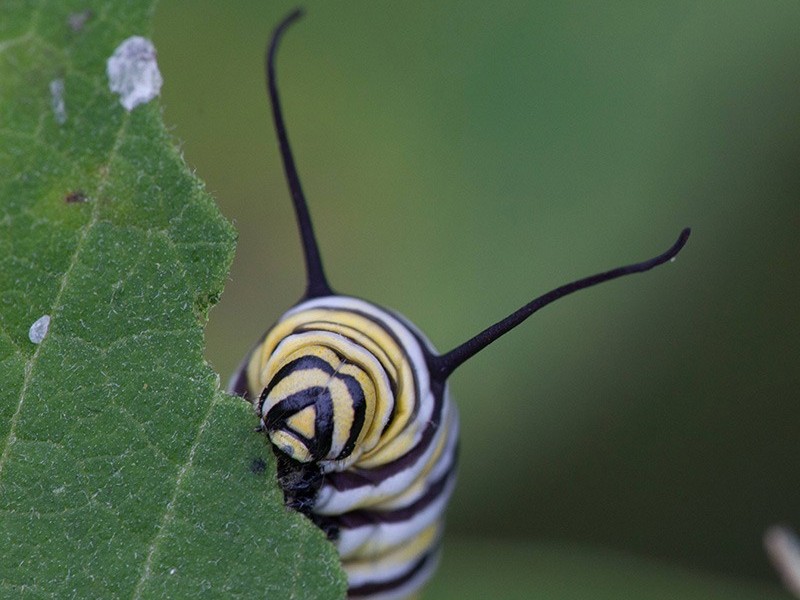
Plant Milkweed for Caterpillars
Plant milkweed species native to your region to provide essential habitat for monarch larvae. Avoid tropical milkweed, use our regional milkweed guides to find the right species, and the Milkweed Finder to find a vendor near you. If you or a friend already has a milkweed plant, you can collect the seeds, too!
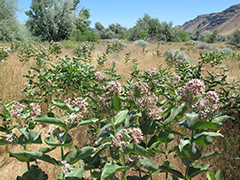
Plant Nectar Flowers for Adult Monarchs
Grow a diversity of nectar-rich flowers that bloom from spring through fall to sustain adult monarchs during breeding and migration. Use our monarch nectar plant guides to find good options, and the Native Plant Directory to locate a vendor near you.

Protect Overwintering Habitat
Safeguard critical overwintering sites to support monarch survival during the winter months. Learn how to take action using western monarch overwintering site resources and the Western Monarch Count.

Reduce Pesticide Use
Change how you manage garden issues to reduce or eliminate pesticide use. Learn how to get pesticide-free plants, prevent problems before they start, and remove pests safely with our guide to avoiding pesticides. We also have advice on talking to neighbors about pesticides, and what to do if you find insects killed by pesticides.

Participate in Community Science
Learn how to identify monarchs from their many lookalikes, and join a community science project to collect the data needed for conservation! Projects include the Monarch Nectar Plant Database, the Western Monarch Count, the Western Monarch Milkweed Mapper, and the Project Monarch app.

Explore Monarch Resources
Access Xerces programs and partner resources to expand your impact. Explore the Western Monarch Call to Action, the Pollinator Conservation Resource Center, Xerces’ guidance on captive breeding, and the USDA monarch conservation initiative and guidance for working lands.
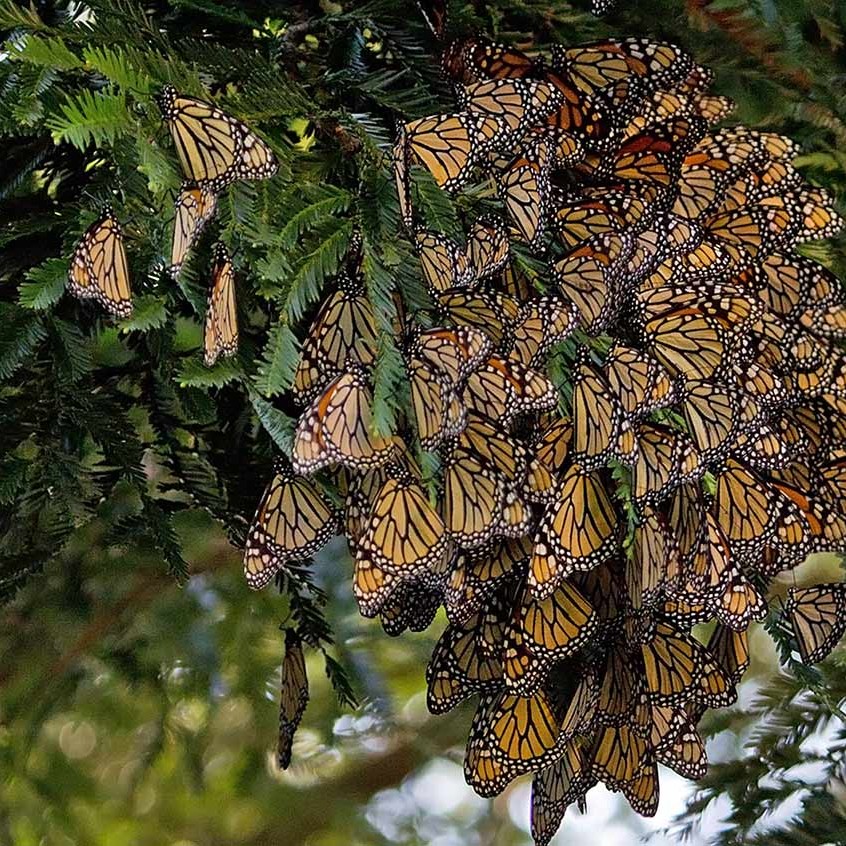
Western Monarch Conservation
Western monarchs remain west of the Rocky Mountains and depend on a network of coastal overwintering sites, many of which are in rapid decline. Xerces focuses on protecting these vulnerable groves while restoring breeding and migratory habitat across western landscapes.
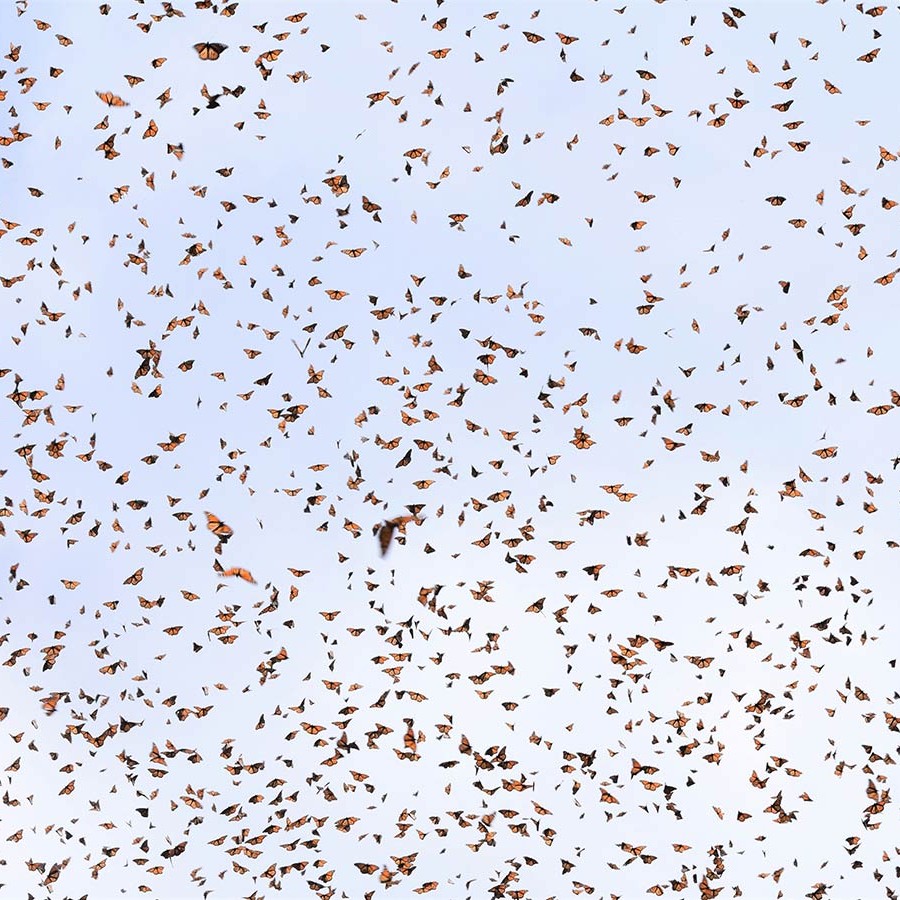
Eastern Monarch Conservation
Eastern monarchs migrate thousands of miles to overwinter in the mountains of central Mexico, relying on habitat across much of North America. Xerces works to expand milkweed and nectar plant availability and reduce threats throughout this vast migratory range.
Monarchs are famous for their bright orange-and-black wings and one of the longest migrations of any insect. They’re also important pollinators and a powerful symbol of ecosystem health.
Yes, monarchs migrate every year. In North America, they travel hundreds to thousands of miles between breeding areas and overwintering sites, making this one of the most remarkable insect migrations in the world. Monarchs living west of the Rocky Mountains travel to forest groves in California. Monarchs east of Rockies migrate to forests in Mexico.
Most monarchs live just 2–6 weeks. However, the final generation of the year (called the migratory generation) can live up to 8–9 months to complete the journey to overwintering sites.
Monarch populations are declining due to habitat and food loss, pesticide use, and climate change. The loss of milkweed and nectar plants, essential for their survival, is one of the biggest drivers of this decline.
Monarchs need milkweed for their caterpillars and nectar plants for adult butterflies. Planting a variety of native milkweed and nectar-rich flowers that bloom from spring through fall is one of the best ways to help monarchs.
Monarchs need milkweed in their breeding and migratory habitats because it’s the only plant their caterpillars can eat. While milkweed isn’t needed in overwintering areas, increasing it across the landscape is critical for population recovery.
You can help monarchs even in small spaces. Plant native milkweed and nectar flowers in gardens or community spaces, and reduce pesticide use to create safe habitat in cities and suburbs.
Captive breeding is not an effective way to conserve monarchs. Raising a handful of caterpillars is okay, but large-scale breeding can bring more diseases to wild monarchs. Conservation efforts are more successful when focused on restoring habitat, reducing pesticide use, and supporting wild populations.
The Xerces Society works across North America to protect monarchs by restoring habitat, advancing science-based conservation, and partnering with communities, land managers, and policymakers.