
The Xerces Society is excited to announce the winners of two student research awards: the Joan Mosenthal DeWind Award, for students conducting research on Lepidoptera conservation, and the new Deborah BanDrosky Award, which is open to students conducting research on any invertebrate species or group of conservation need.
This year’s two DeWind Award winners will be researching moth conservation, while the two BanDrosky Award winners will study firefly conservation and pesticide risk assessment. Our winners will help diverse groups of invertebrates using a range of techniques to advance the protection of their populations and habitats.
2026 Joan Mosenthal DeWind awards and honorable mentions
Elena Adams (The Ohio State University) will be investigating the effects of urban mosquito management on moths, an important group of nocturnal pollinating insects. Municipal health departments often spray for mosquitoes at night, and some private companies spray insecticides in yards that may be toxic to pollinators for weeks after application. Elena’s research will compare moth communities in yards receiving these two spray treatments versus unsprayed yards to quantify the effects these pesticide treatments have at a local scale.
Claire Berdik (University of Illinois Urbana-Champaign) will investigate use of environmental DNA (eDNA) sampling to quantify moth diversity in agricultural areas and natural environments. eDNA is an emerging technology that attempts to detect species by collecting their DNA from cells left behind on flowers, other substrates, or even the air. Claire’s research will quantify how eDNA for moths varies based on the sampling method and the materials sampled so that we can better quantify the presence and abundance of moths, especially moths that may be declining like those in the silk moth family (Saturniidae).
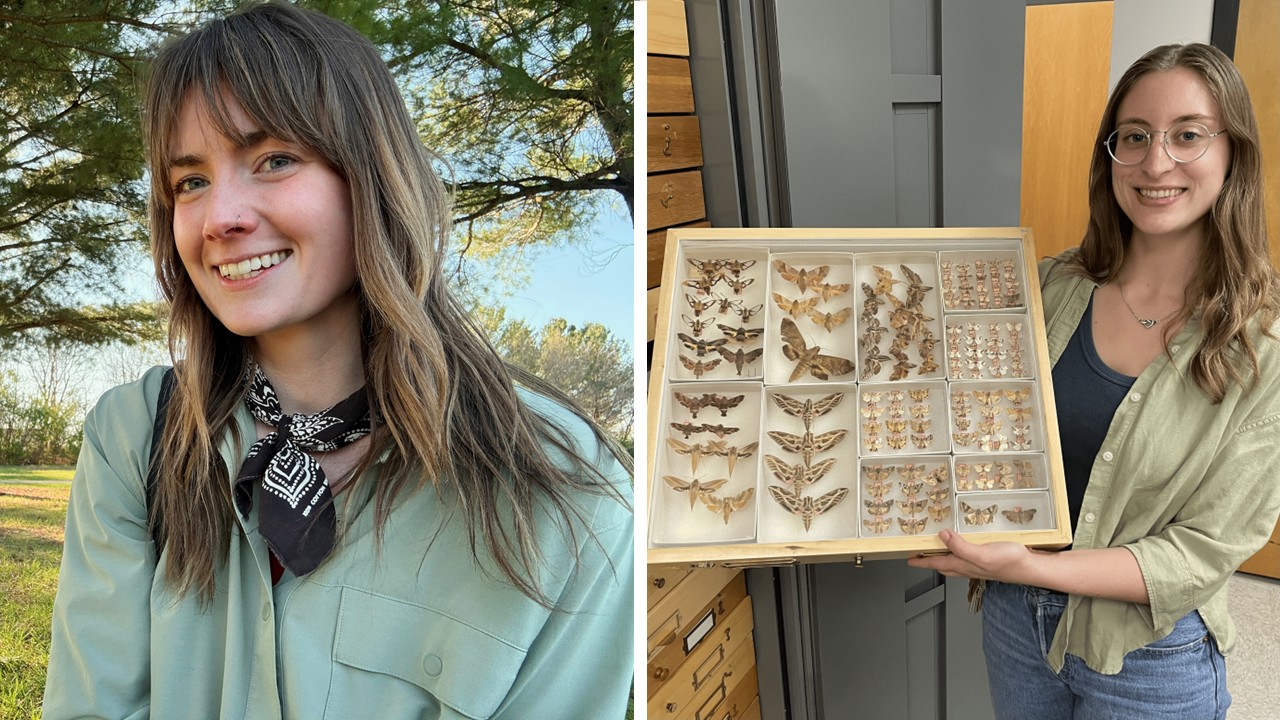
In 2026 we also awarded two “honorable mention” awards in order to recognize the research being done by the student community. Konstantina Nasiou (University of Ioannina, Greece) is investigating how livestock grazing and aridity affect moth communities in grasslands, while Brevan Wagner (University of Alberta, Biological Sciences) will be investigating the uniqueness of the Makah copper, a subspecies of the mariposa copper on the Olympic Peninsula that is imperiled by habitat loss and climate change.
2026 Deborah BanDrosky awards and honorable mentions
Michael Adu-Brew (University of Maryland) will be quantifying the effects of pesticides on endangered butterflies. While butterflies are a well known group of insects that are in decline, the EPA does not currently complete toxicity tests for pesticide chemicals on any butterfly species during its certification process, only honey bees. Much scientific research on pesticides also uses bees, leaving the effects of pesticides on butterflies a “black box.” Using the eastern tailed-blue as a replacement for endangered species like the Karner blue or Fender’s blue, Michael’s research will shed light on how toxic a range of pesticides are to small-bodied, short lived butterflies in the family of gossamer-winged butterflies (Lycaenidae).
Rachel Laura (University of Arizona) will be surveying for the imperiled southwest spring firefly (Bicellonycha wickershamorum) that was petitioned by Xerces for protection by the U.S. Fish & Wildlife Service in 2023. Known only from Arizona and southwest New Mexico, this species is threatened by groundwater depletion and other water use changes, livestock grazing, and mining among other causes. Survey data will be used to identify environmental traits that affect presence and absence, evaluate what variables influence firefly detection, and document new populations. Together, this information will support targeted conservation and management actions and inform conservation decision-making.
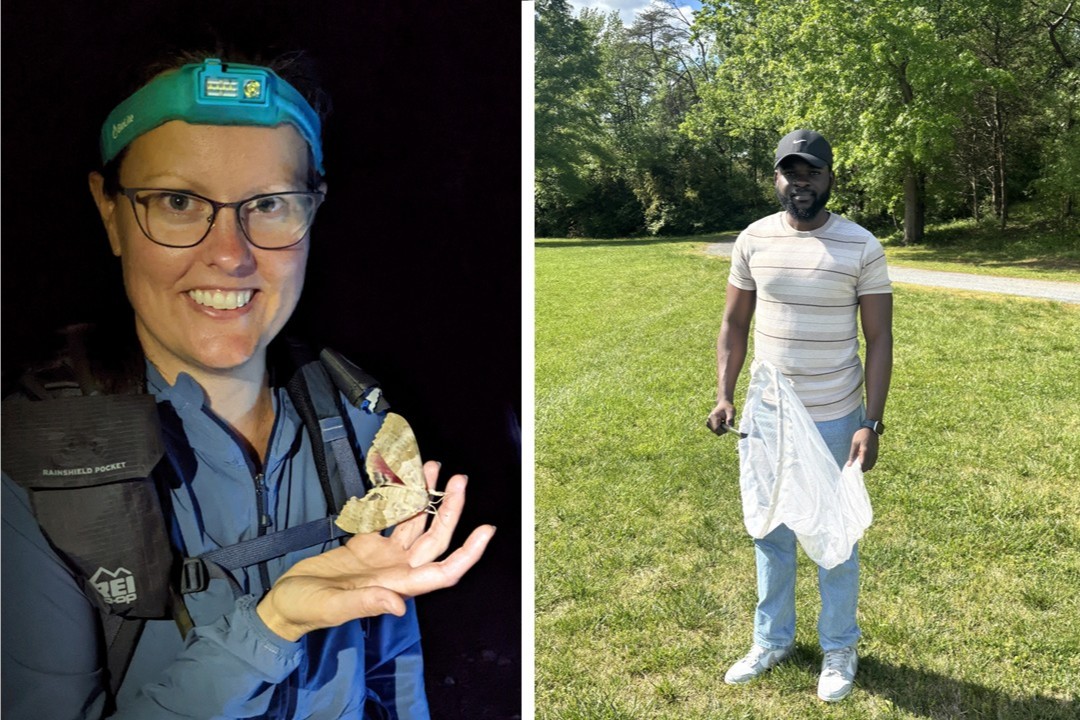
In addition to these winners, the BanDrosky Award also has two honorable mention awards. Alexa Hershberger (University of Massachusetts- Amherst) is investigating the effects of dam removals on freshwater mussel communities, including mussel mortality and translocation success as a part of protecting populations during the dam’s removal. Grace Lovett (The University of Arkansas) will be surveying fireflies across the Arkansas River Valley, which will be used to eventually create the first-ever comprehensive list of firefly species for the state.

As a conservation biologist for the endangered species program, Kevin’s efforts with the Xerces Society focus on protecting the hundreds of butterfly species that inhabit deserts, forests, and grasslands across the western United States. Many of these species are currently in decline or are threatened by habitat loss, insecticides, and the effects of climate change.