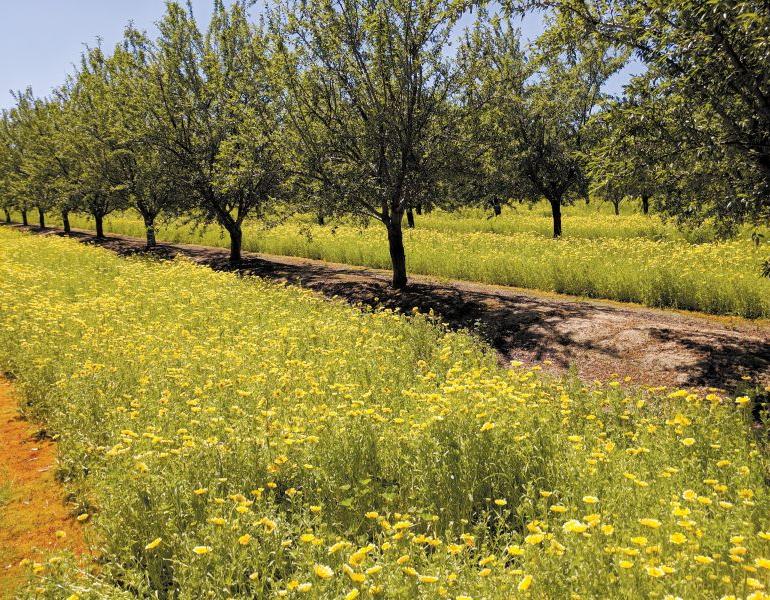
How a partnership between General Mills and the Xerces Society opened the door to large-scale pollinator conservation on farms.

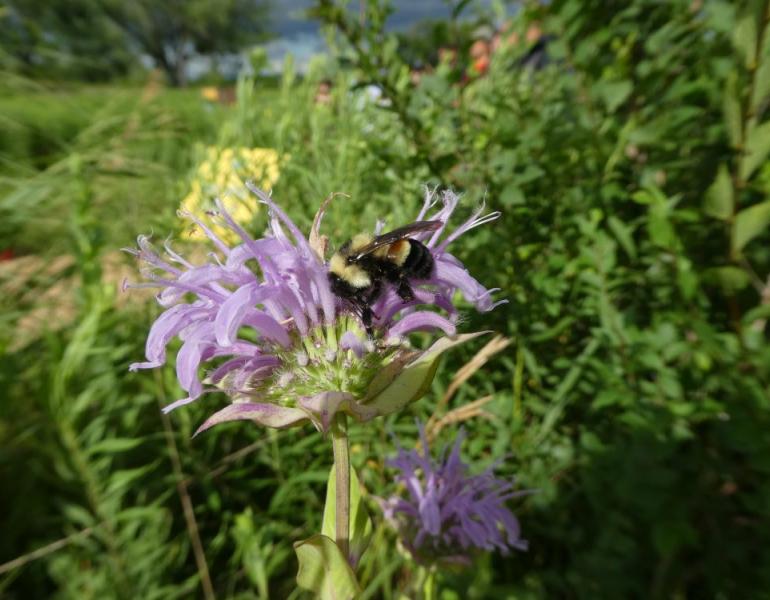
The U.S. Fish and Wildlife Service has issued a historic decision to designate more than 1.5 million acres of critical habitat for the endangered rusty patched bumble bee. The species was first petitioned for listing by the Xerces Society in 2013.
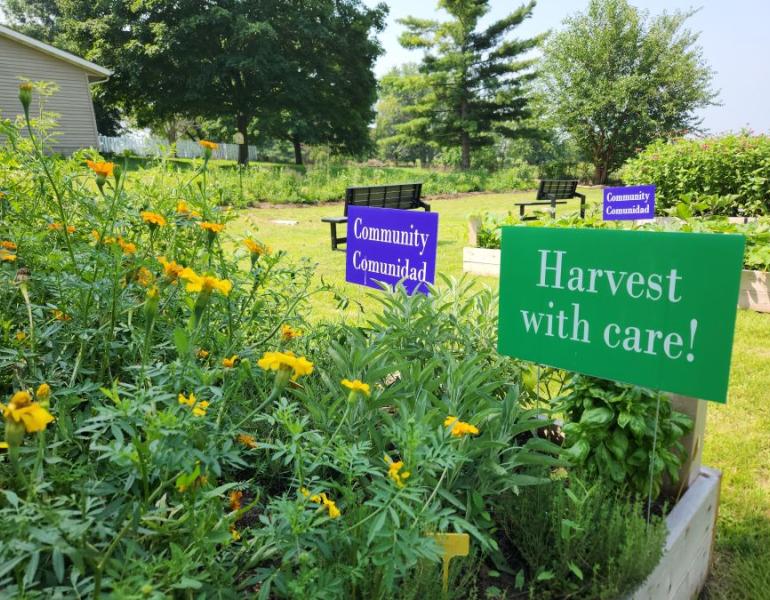
A community garden in Iowa is providing food and pollinator habitat.
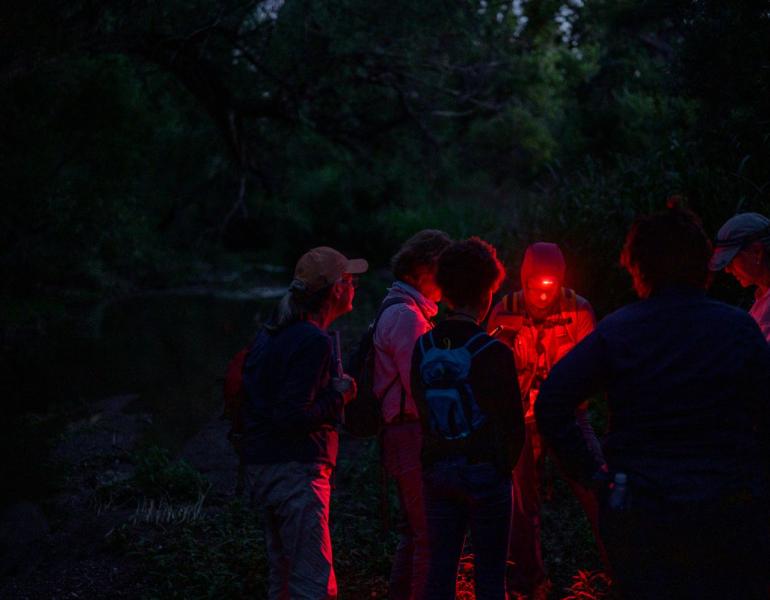
The Xerces Society has announced four winners and four honorable mentions for the 2026 Joan Mosenthal DeWind and Deborah BanDrosky student awards.
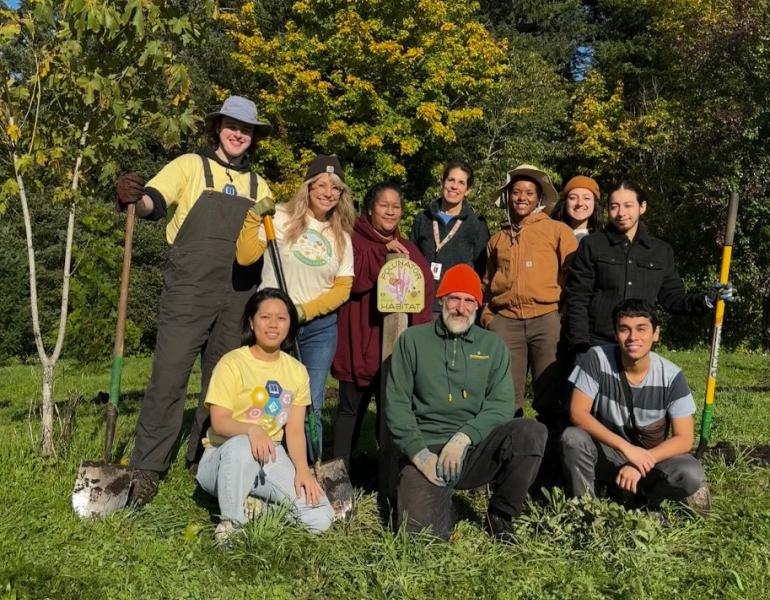
Since its origin in 2019, the Xerces Society Pollinator Habitat Kit Program has planted over 614,000 native plants across 2,500 projects! In 2025 alone, we distributed over 100,000 free plants to 525 qualifying projects across the United States.
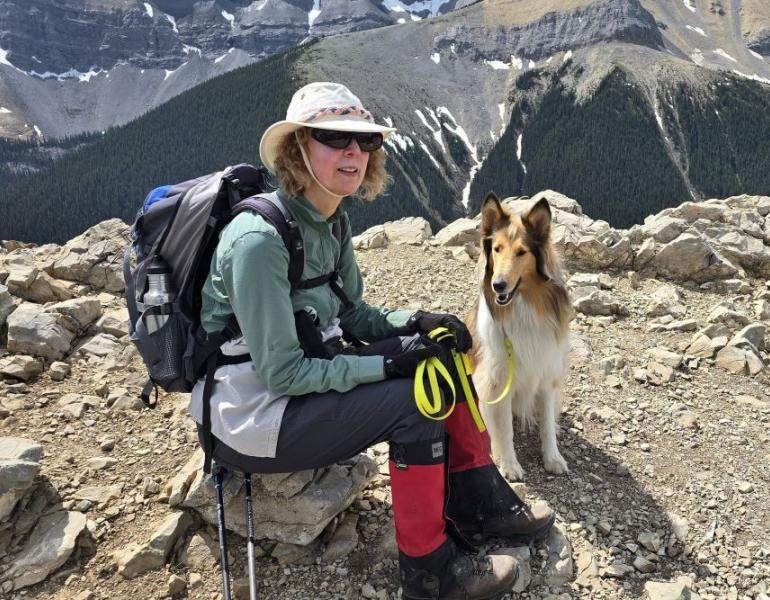
Xerces Society member Janice Rider of Calgary, Alberta, has been immersed in the world of invertebrates for as long as she can remember. Some of her earliest and most meaningful encounters with invertebrates happened right at home.
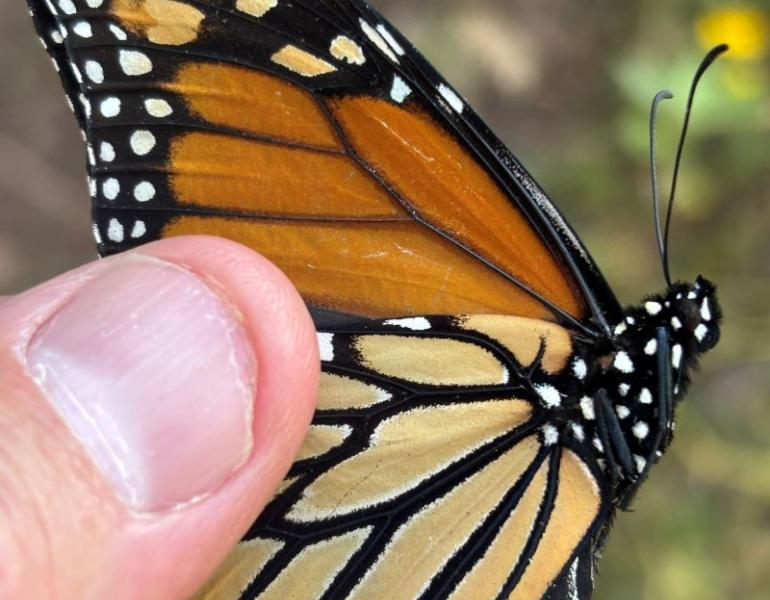
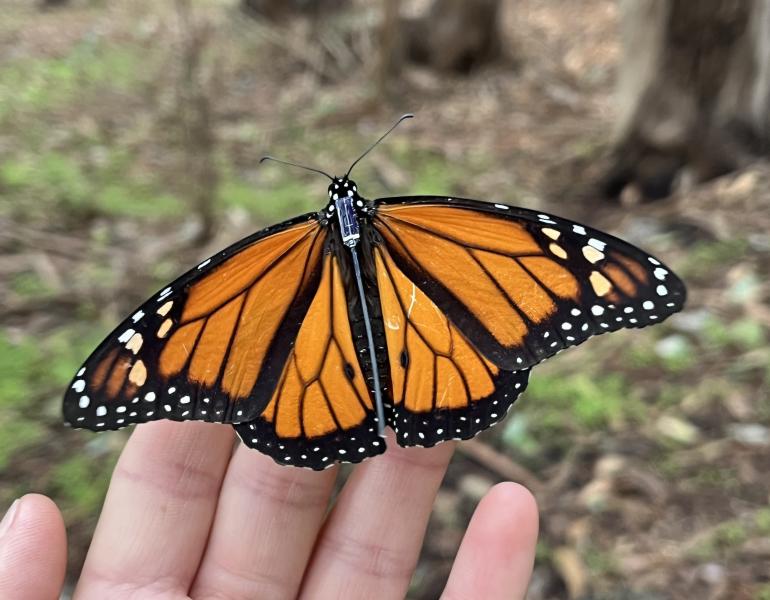
In fall 2025, approximately 470 Monarchs in the eastern U.S. were deployed with Blu+ transmitters. Of those that made it to Mexico and spent the winter there, female monarch XSTI009 (where the X stands for Xerces) appears to be the first to make it back to the United States, flying an incredible 320 miles in just one day.
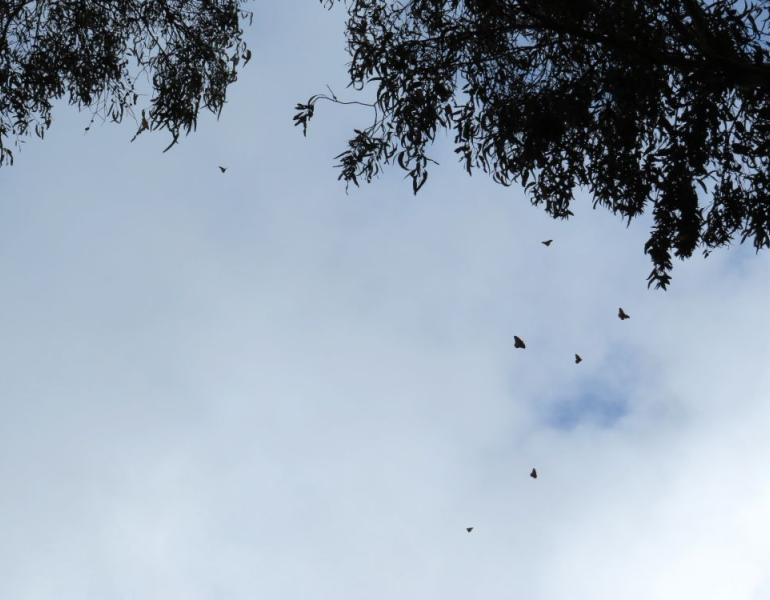
The final survey period of the Xerces Society’s Western Monarch Count ended recorded 6,464 monarch butterflies across 193 overwintering sites. This tally is 47% lower than the mid-season count of 12,260 butterflies, compared with 35%-58% seen in the past ten years.
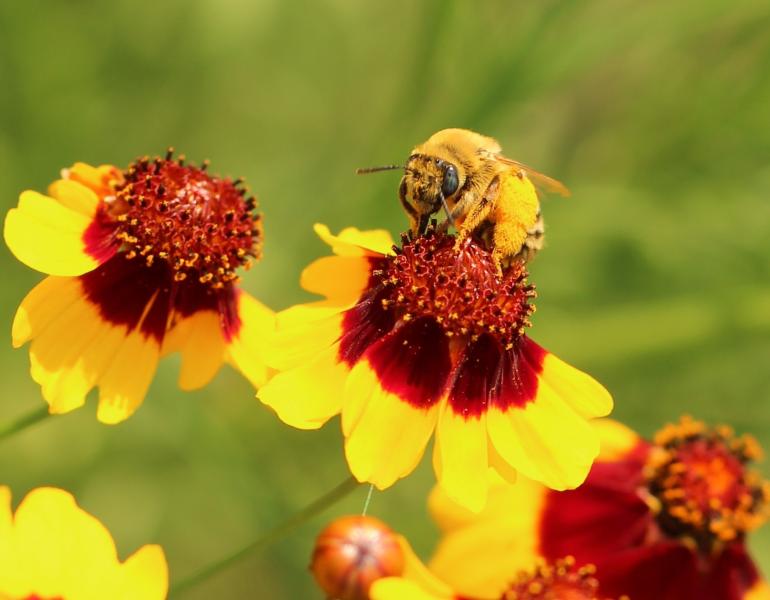
The Bee Better Certified licensing program has been brought in-house, creating a more streamlined, cost-effective process for certified growers and the brands that source from them.
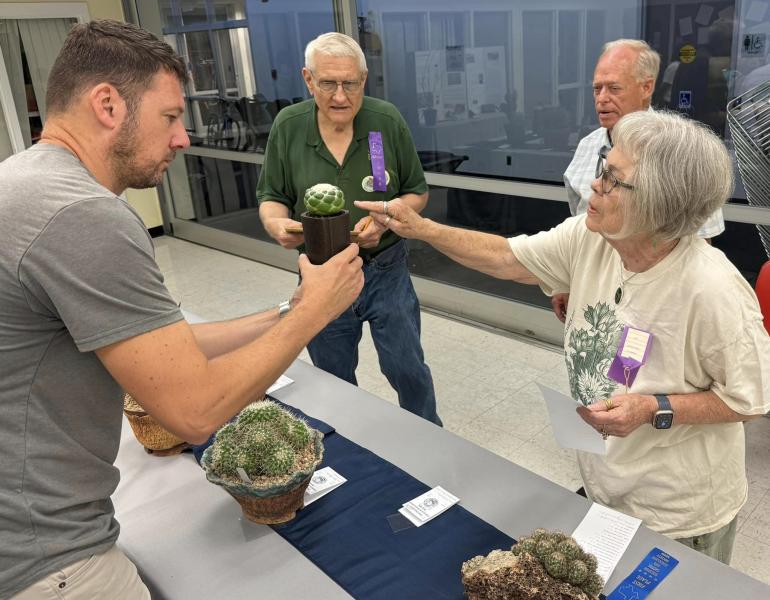
Wallace Ward, of Houston, Texas, is a longtime Xerces member with a love for moths, butterflies and pollinators.

In November 2025, the Xerces community lost a long-time member with the passing of Carol Knapp, of Newcastle, Maine.
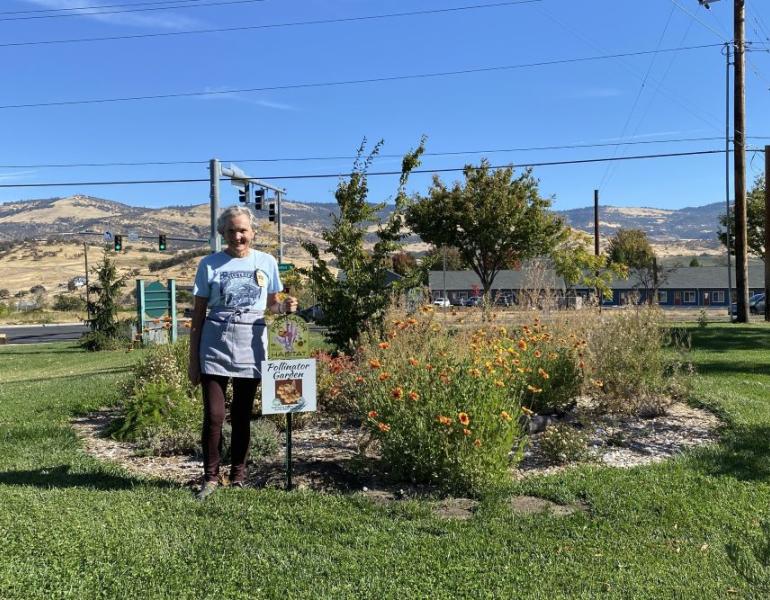
The residents of Talent, Oregon have created a model for what grassroots conservation can look like when it’s rooted in place, people, and purpose.
Recently, the Department of the Interior published an agency rule list which suggests delays in the timeline for monarchs and many other species awaiting listing and delisting actions under the Endangered Species Act.
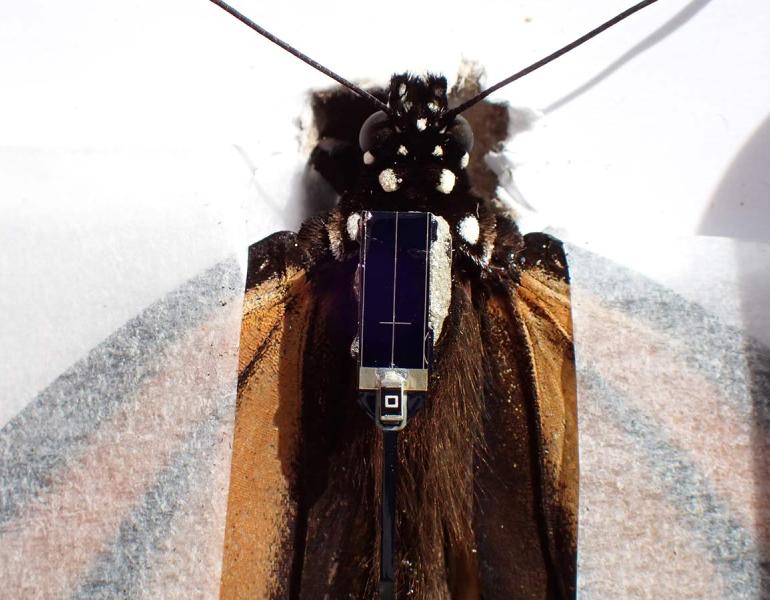
Xerces has been helping to test these new tags for over a year, and we are excited to finally put them into widespread use.
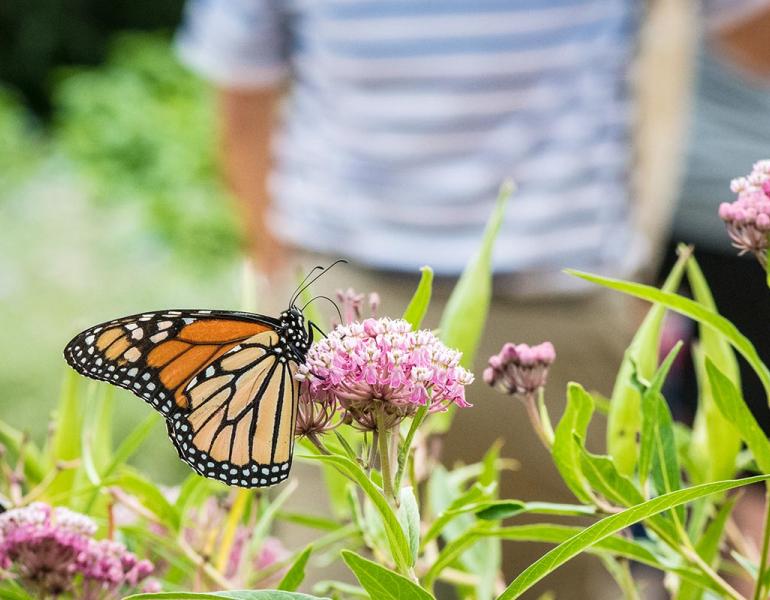
A new study published in Environmental Toxicology and Chemistry found nearly ubiquitous pesticide contamination on butterfly host plants across two U.S. cities, Albuquerque, New Mexico, and Sacramento, California. In 20% of the plants tested, pesticide residues were at levels known to kill or otherwise harm butterflies and moths.
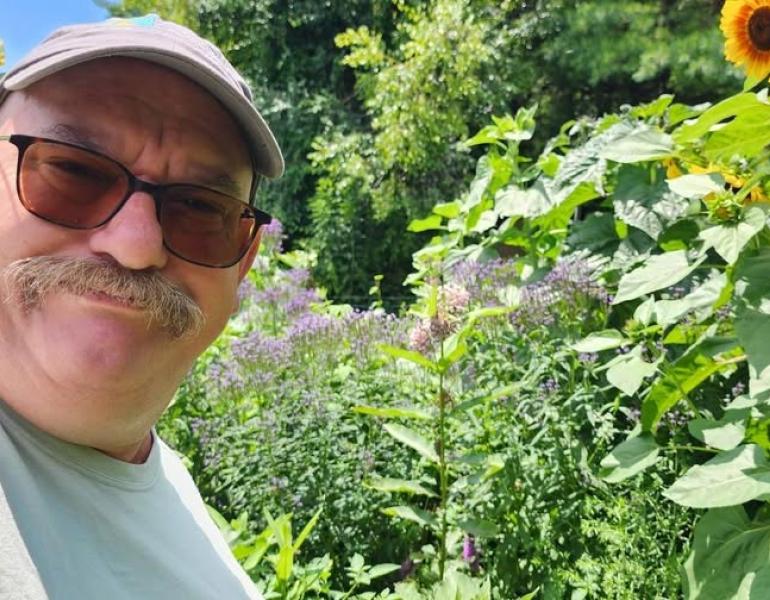
Xerces member Michael McIntyre has spent the past 25 years converting his family’s suburban lawn into a pollinator paradise.
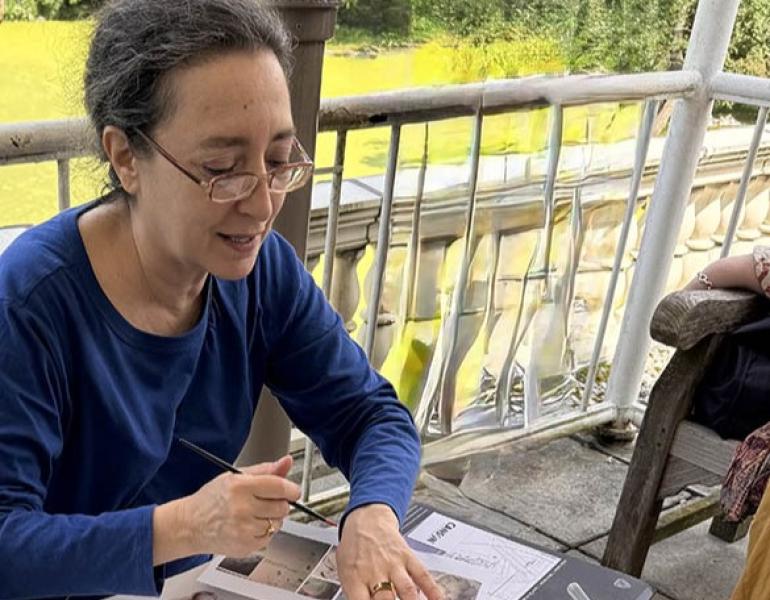
Donna Miskend, a Xerces member from Brooklyn, NY, is an artist and educator whose passion for nature and conservation is woven into her work.

Xerces and our partners have reached a major milestone by launching the Western Mussel Atlas, which will help bring these seldom seen yet critically important animals into the conversation about how we manage healthy waterways.
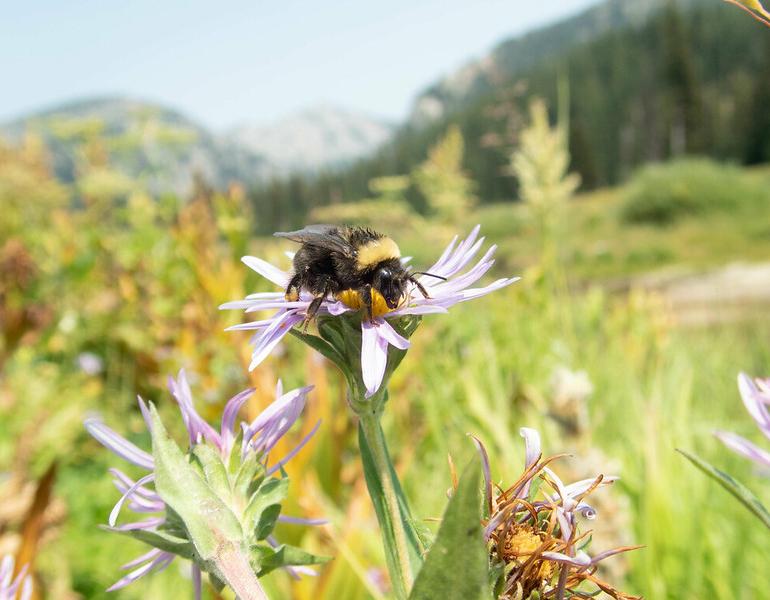
The Xerces Society, Defenders of Wildlife and the Center for Food Safety asked California in 2018 to give four endangered bumble bees full protection under state law. After years of public input, court battles and scientific review, the California Fish and Game Commission is expected to announce its final decision soon.

Long-time Xerces members Emily Gladhart and her son Russell run a vineyard committed to conservation at Winter's Hill Estate.
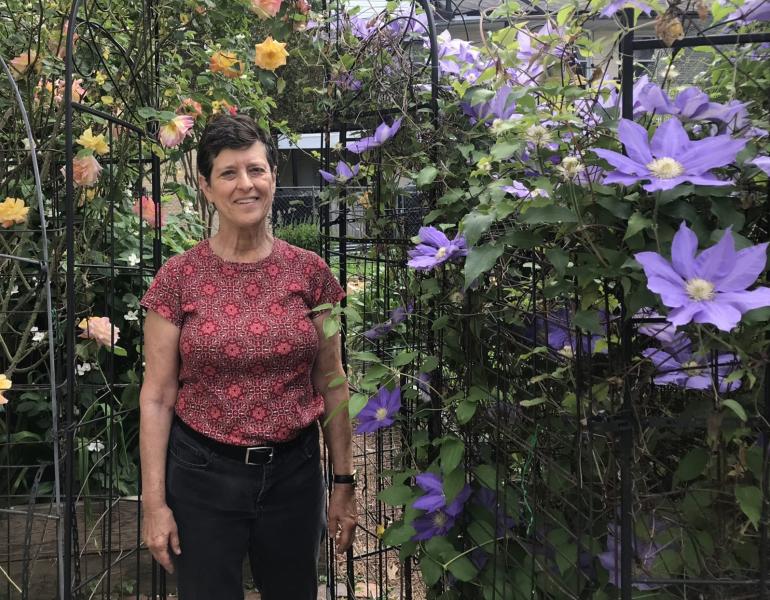
Jan Mooney of Baltimore, Maryland is a Xerces monthly donor who is passionate about urban green spaces and pollinator conservation.

PhD students John Dreitsch and Holly Myers will each receive funding for their new research on threats to moths and butterflies.
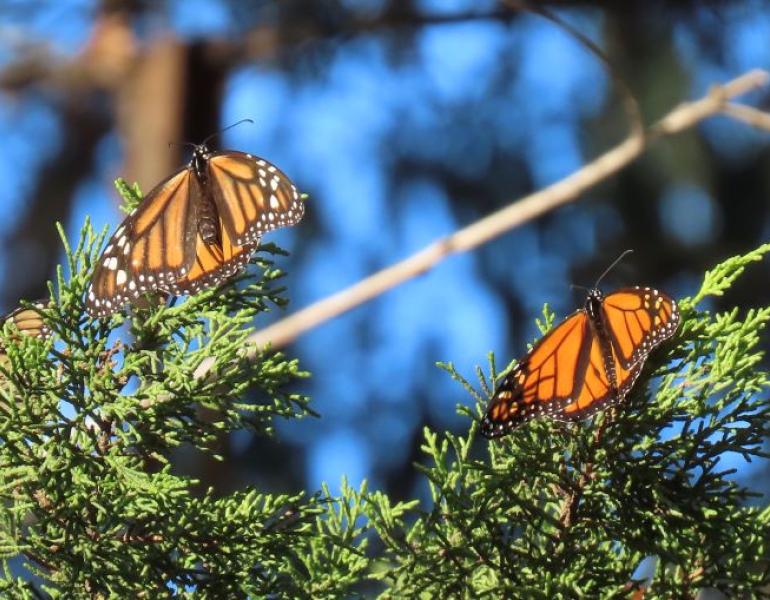
Migratory western monarchs experienced a 41% seasonal decrease at California overwintering sites compared to peak November tally.
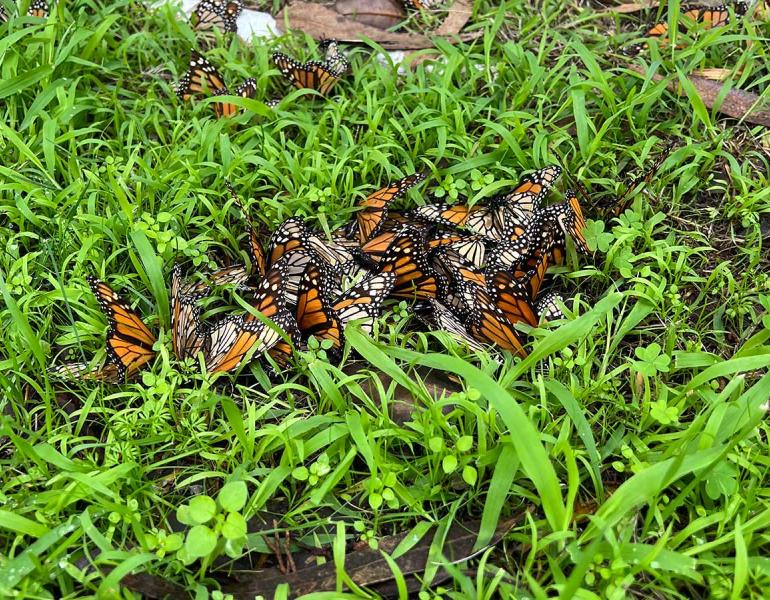
In January 2024, volunteers stumbled upon a devastating scene: scores of dead and dying monarch butterflies near the Pacific Grove Monarch Sanctuary overwintering grove.

Last week the U.S. Fish and Wildlife Service (FWS) announced that the Morrsion bumble bee (Bombus morrisoni) and the large marble butterfly (Euchloe ausonides) warrant further consideration for protection under the Endangered Species Act by issuing a positive 90-day finding.
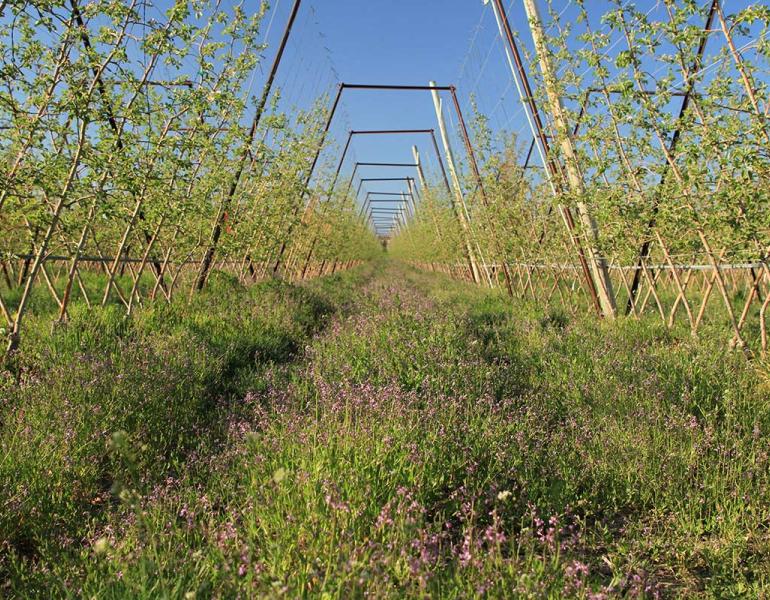
Cameron Newell shares how Bee Better Certified is building new partnerships with food growers.

Lisa Loving has dedicated her recent years to advocating for butterflies and bees as a Xerces Ambassador!
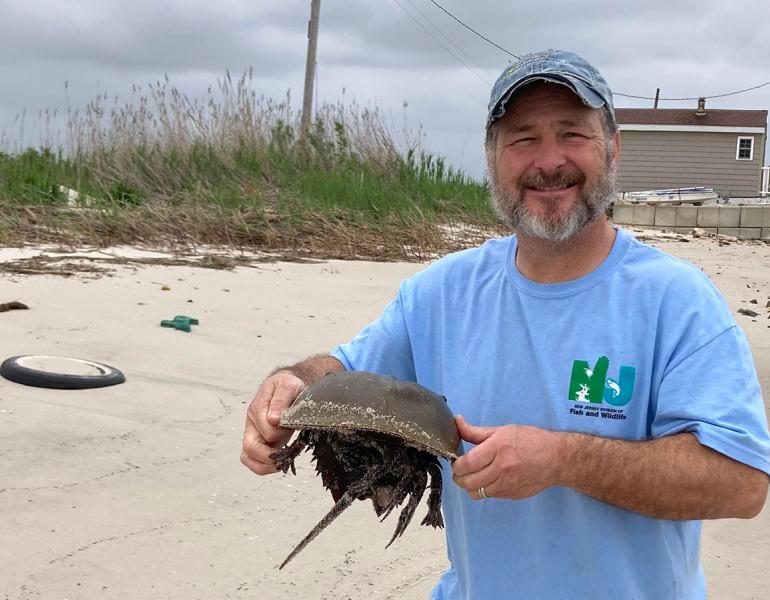
For over two decades, Ron has been working to protect horseshoe crabs, and introducing students to wildlife conservation!
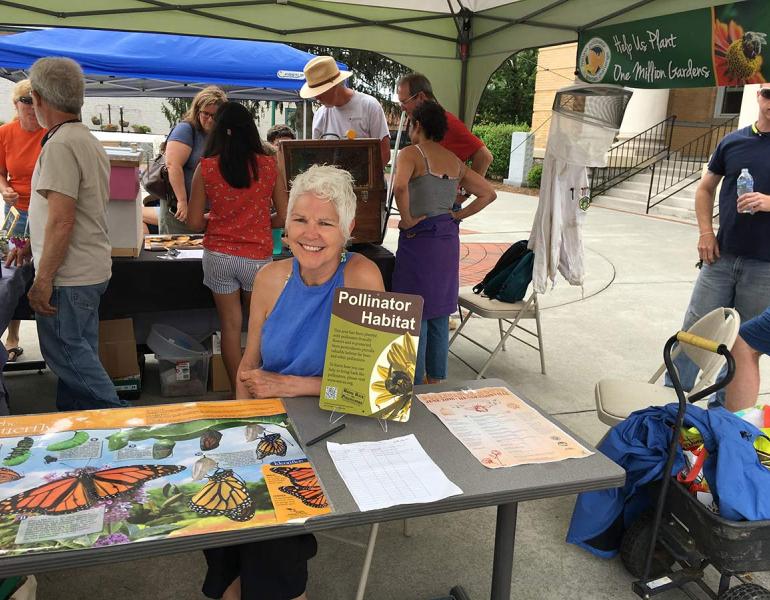
As the founder of Bee City USA, Phyllis started a movement that has sparked action in communities across the country.

From crickets to regal fritillaries: one biologist’s fascinating career is inspiring his students to engage with insect conservation.
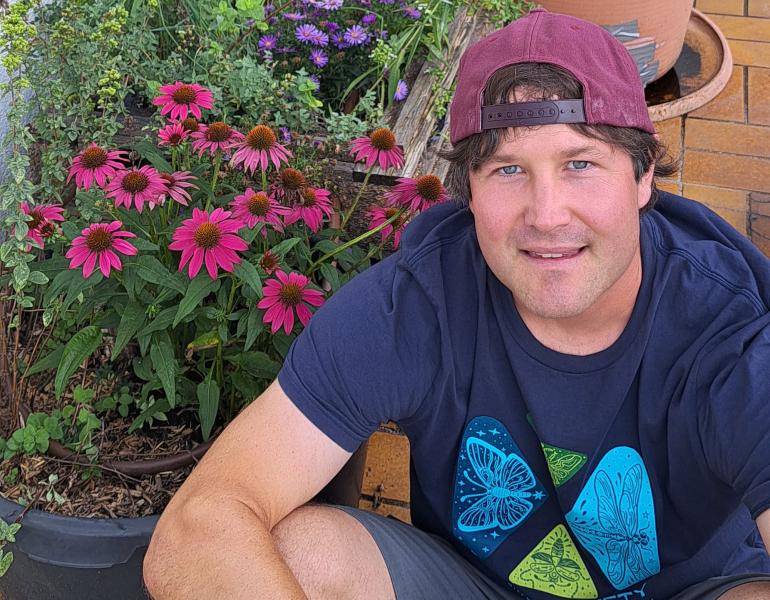
Jochen Stocker is a Xerces member from Waldshut-Tiengen, Germany who has transformed his urban balcony into a thriving pollinator paradise.

Ralph Masturzo was a long-time Xerces member and dedicated supporter of invertebrate conservation.
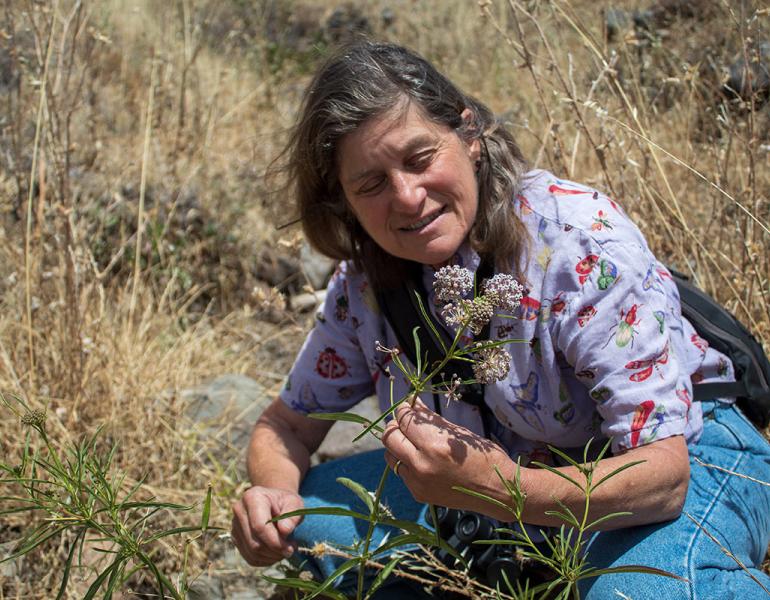
Mia Monroe, both a founder and dedicated volunteer of the Western Monarch Count, can trace her conservationist spirit back to her childhood.

Xerces member Justine Burt is training for an epic 400 mile adventure to support invertebrate conservation.
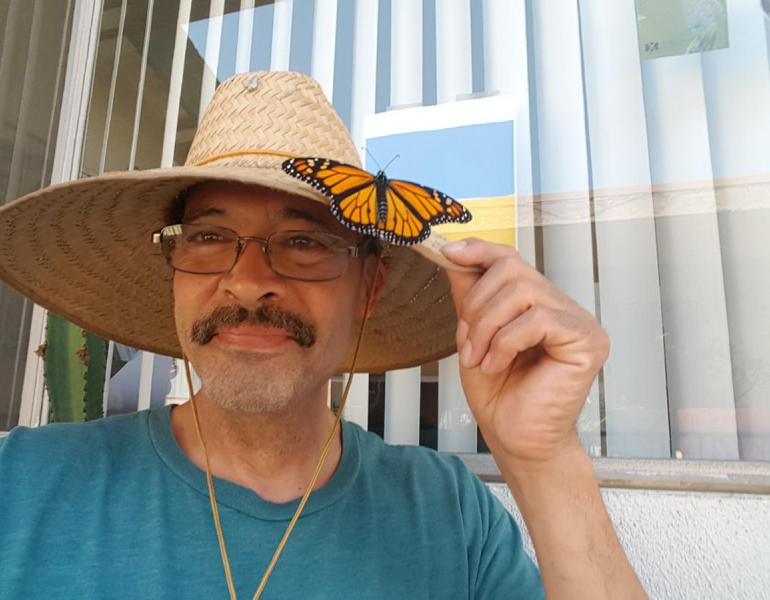
Xerces Society member Augustin Garnier recently established a pollinator garden at his local library, attracting the same species of butterfly that originally got him interested in invertebrate conservation years ago.
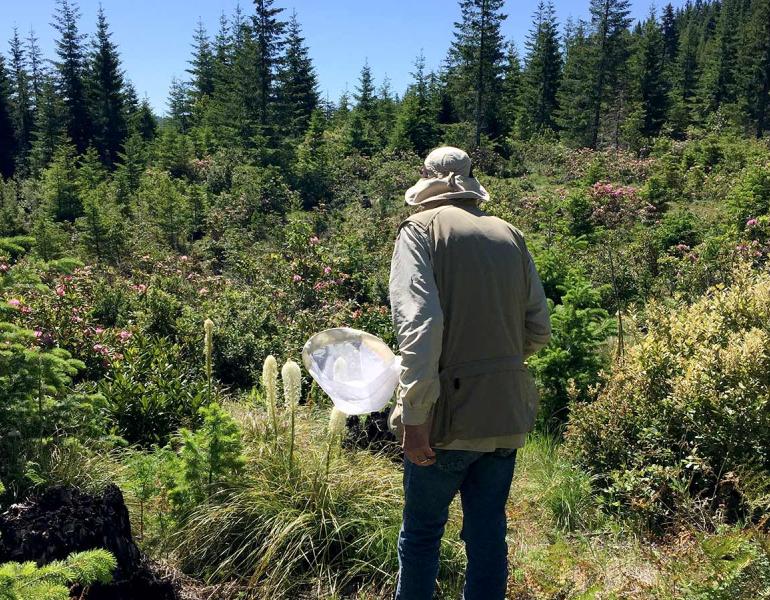
David Kollen's invertebrate-related accomplishments include lifelong advocate, appreciated Xerces ambassador, and dedicated community scientist. You can find him searching an unusual landscape for buzzing bumble bees amongst carnivorous pitcher plants.
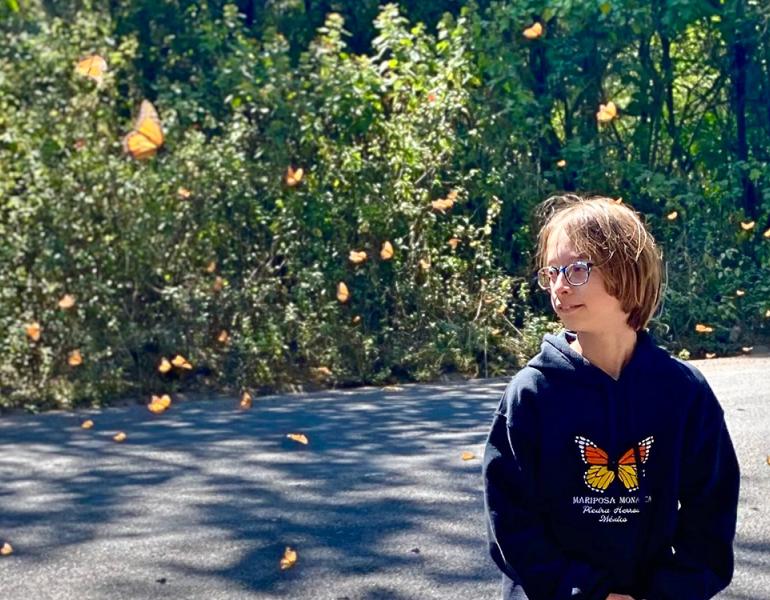
At 12 years old, Noah Raven is a Xerces member doing incredible work to engage others to help protect monarch butterflies. This young man is the founder of Monarch Defenders, a non-profit with the mission “to save the monarchs from extinction, one garden at a time.”
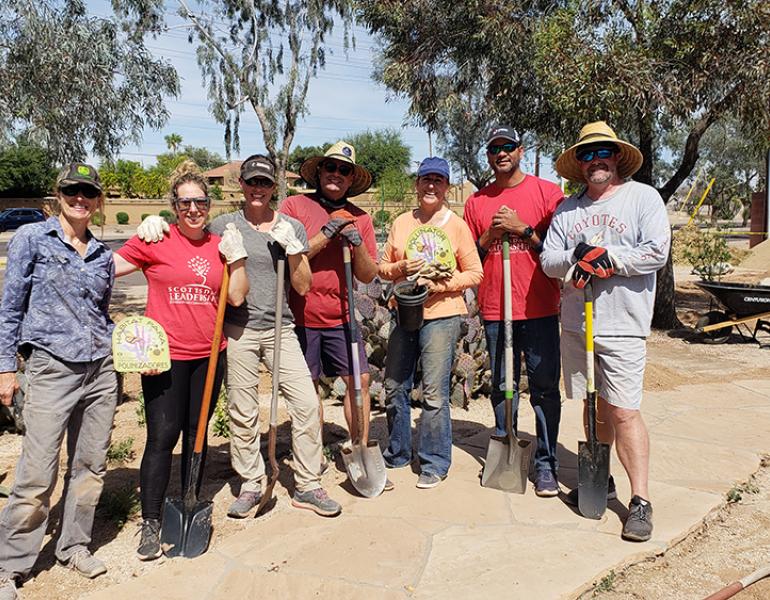
Member Alley Yerger is involved in the revitalization of a neighborhood pocket park that is now full of native nectar and habitat for invertebrates.

For long-time Xerces members Dan and Myrl Moran, wildlife conservation was a way of life. We're incredibly grateful for their legacy of habitat restoration.

Don Leaon has been a loyal Xerces member since 2019. Don and his wife set out to create more habitat in their own yard, where they have established a plethora of native plants, flowers, and native grasses.
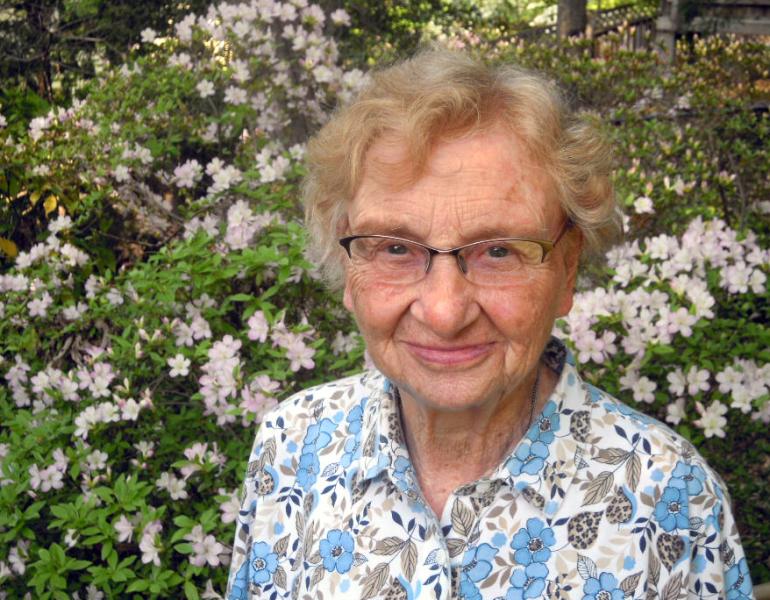
Marjorie Rachlin was a passionate gardener, birder, and nature columnist. Her legacy will help protect the invertebrates that she cared so much about in life.

Jennifer Geib's impressive container garden features over 200 pots of living beauty that attract many kinds of wildlife.
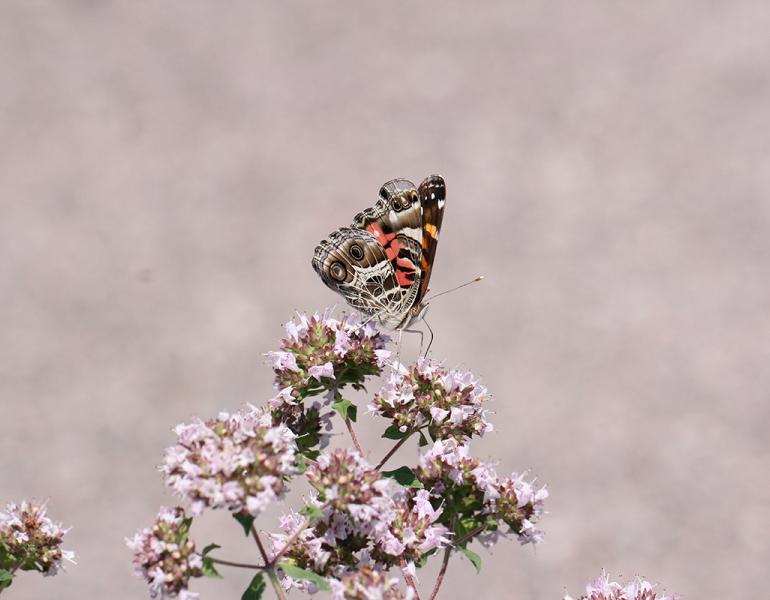
Pat C. Thomas is a skilled photographer and pollinator advocate. We're grateful for many years of Pat's membership!
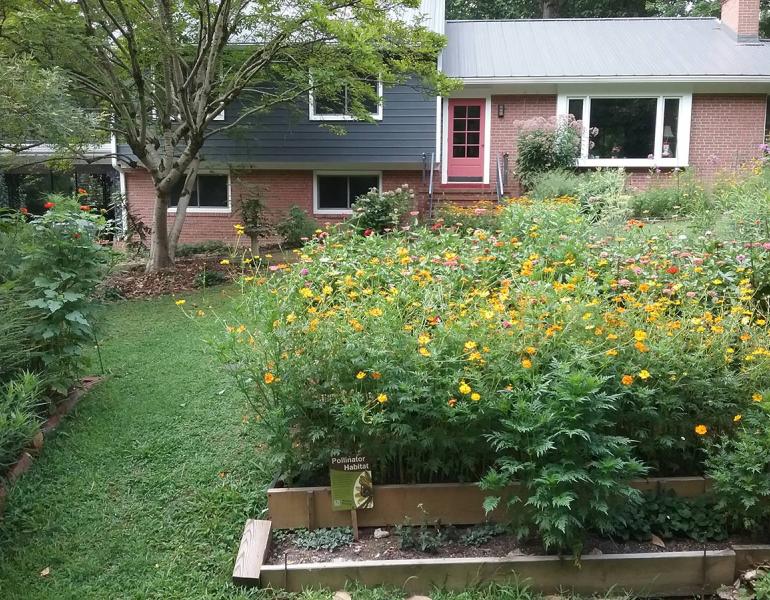
Chris Burnside and Karl Green are dedicated donors who are passionate about advocacy and habitat restoration.