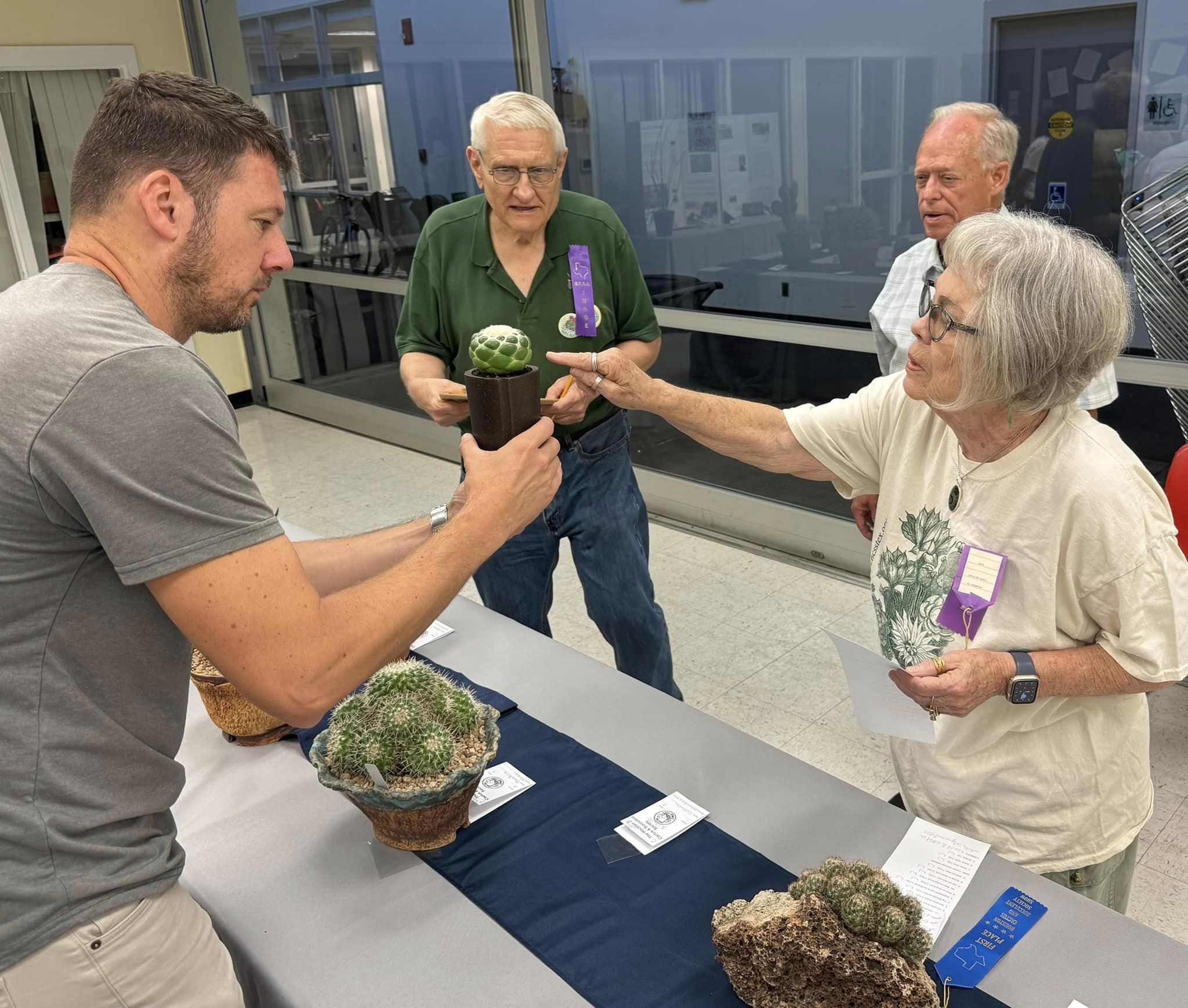
Wallace Ward, of Houston, Texas, is a longtime Xerces member with a love for moths, butterflies and pollinators. He learned of Xerces back in 2002 at a North American Butterfly Society meeting in Bend, Oregon, where he met Bob Pyle and learned more about the organization’s mission. Having already read Pyle’s book, The Audubon Society Handbook for Butterfly Watchers, Wallace decided to join Xerces, and has now been a member for nearly 25 years!
Wallace’s interest in invertebrates began with some of his earliest childhood memories in Atlanta, Georgia. There was the creek across the street from his home, which as Wallace recalls, “was loaded with fireflies. There were wildflowers attracting pollinators in the spring, summer and early fall. I was hooked.” Later in childhood, when his family moved to Washington, DC, Wallace’s curiosity continued to grow. He began discovering Devonian period brachiopod fossils approximately 419–359 million years old in neighborhood creeks, and at age 11, wrote to geological surveys to learn more about where to find fossils.
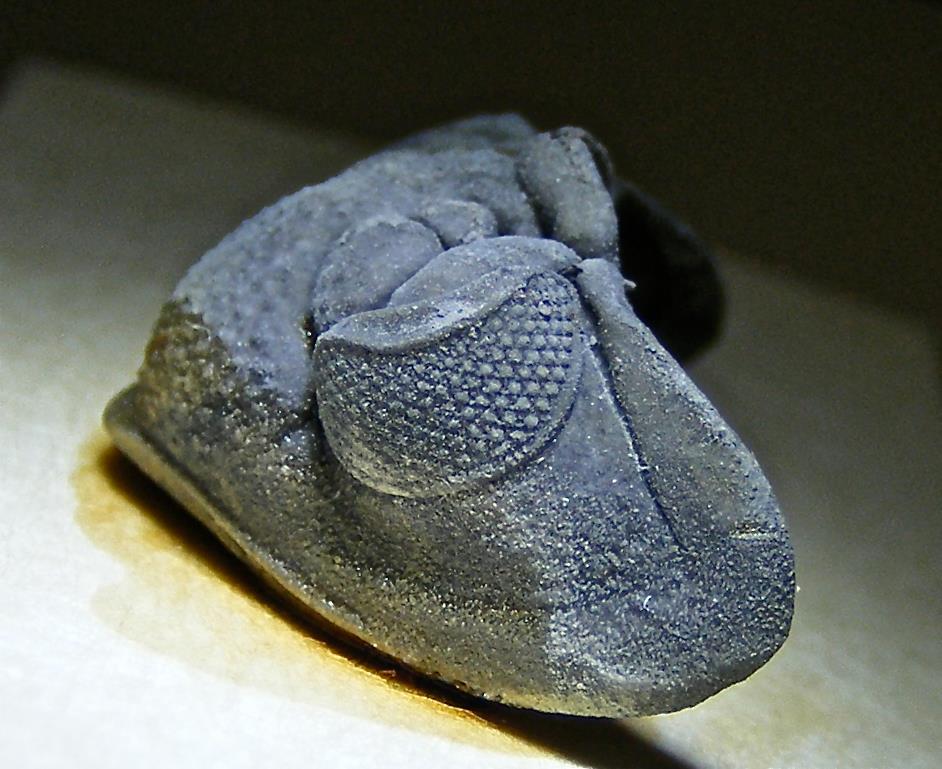
Wallace’s effort to protect today’s invertebrates is informed by his fascination with collecting fossilized invertebrates, which are now extinct. Wallace says, “Invertebrates are indispensable to a healthy living world.” His dedication to invertebrates, both past and present, is a story woven throughout his life.
Wallace is particularly fascinated by the Ordovician invertebrate fossils in Virginia’s Shenandoah Valley. The Great Ordovician Biodiversification Event is a time period 488–444 million years ago when marine invertebrate families tripled. Wallace enjoys excavating and preserving these geological treasures. Some of his favorite fossilized invertebrates to find are trilobites, ostracodes, molluscs, and brachiopods.
Wallace’s lens on the past helps inform his efforts to ensure today’s species of invertebrates escape extinction. In his region, many invertebrates and other wildlife rely on prairie ecosystems that are being threatened by development. These days, Wallace commits much of his time helping to protect prairies, including volunteering at local Deer Park Prairie, a 51-acre nature reserve with over 300 native plant species. Wallace is currently serving on the board of the Lorraine Cherry Nature Preserve and as president of the Houston Chapter of the Native Prairies Association of Texas. Thank you, Wallace, for your dedication to preserving biodiversity, both past, present and future!