How much do you know about moths? Bees and butterflies get a lot of time in the spotlight, but moths are also great pollinators, and a vital part of a healthy ecosystem. With National Moth Week finally here, It’s time to get to know these fascinating animals!
What is a moth?
Moths and butterflies are part of the same group of insects, the order Lepidoptera. What sets Lepidoptera apart from other insects is their scale-covered wings and bodies. Scales are to butterflies and moths as feathers are to a bird. These scales are what give Lepidoptera their color and patterns. Lepidoptera is the 2nd largest order of insects after beetles (order Coleoptera). Most Lepidoptera are actually moths, with butterflies comprising less than 10% of the total species count.
How can you tell the difference between butterflies and moths?
Many people think of butterflies as the colorful and “beautiful” Lepidoptera and moths as the dingy relatives, but there are both very colorful moths and quite drab butterflies. So this is not a reliable way to separate the two groups. It is also commonly believed that all day-flying Lepidoptera are butterflies. Again, there are day-flying moths that call this rule into question.
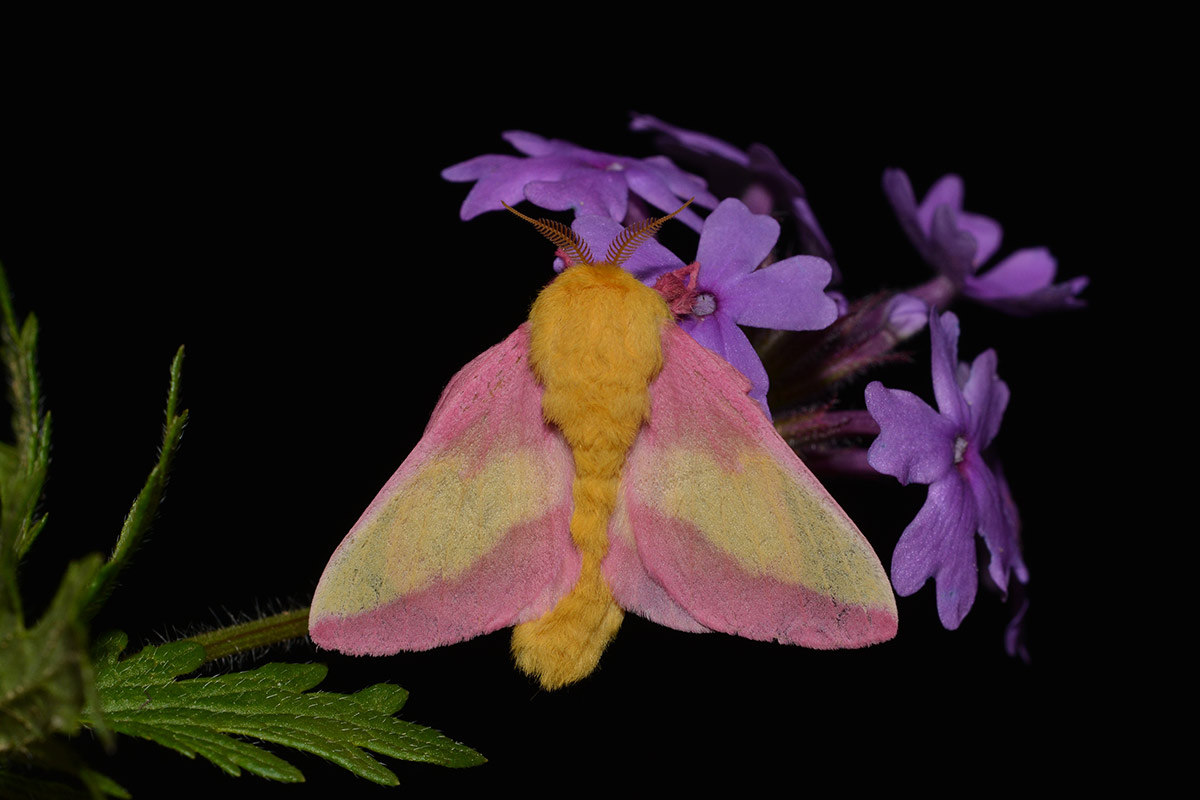
The best way to separate moths and butterflies is by the antennae shape. Butterflies have thin antennae that end in either a club or ball. Moths have either straight antennae tapering to a point, or feathery antennae.
What is a moth’s life like?
Moths experience a complete metamorphosis, beginning life as an egg laid on a specific host plant. They hatch as a larva (also called caterpillar) and begin eating immediately. Caterpillars are eating machines and will outgrow their skin several times, each time shedding into a new “instar”, which may or may not look like the previous instar.
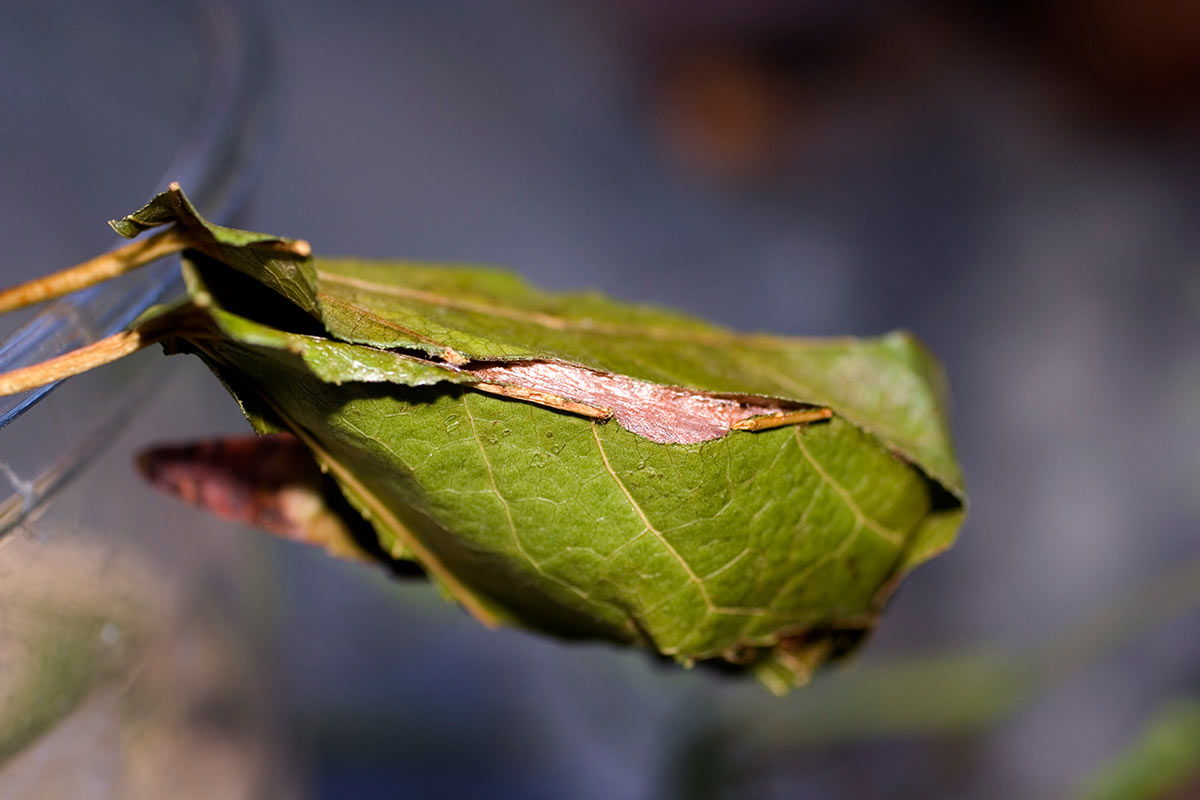
Eventually the eating comes to an end and the caterpillar will prepare for pupation. Some species burrow in the ground, while others will spin a cocoon using their silk and natural materials around them. After a period of rest and transformation in the pupa, the adult moth “ecloses” (hatches) from the pupa. At this point the moth must find a safe place to rest while it pumps fluid from its abdomen into its wings to fully expand them before taking flight.
As adults, moths can finally fly about and explore the world. Their goal is to find a mate and reproduce. Some species only live a short while as adults, and do not eat after eclosing, instead relying on food stored from their time as a caterpillar. Many moths do still eat as adults, and will pollinate flowers as they visit them in search of nectar.
What do moths do?
Moths have many important roles in their ecosystems. As caterpillars, moths feed on their host plants, which can be leaves of towering trees or short grasses or even aquatic plants. Some moth caterpillars feed on other parts of plants, such as the roots or internal to a plant stem or tree trunk. Other moth caterpillars feed on lichens, mosses, or decomposing wood, and there are even a few species which are parasites that feed on other animals, such as wasp larvae.
Moths are also an important food source for birds, bats, and other mammals. In the past few decades ecologists in North America have dedicated some serious observation time to determine a staggering 5,000+ moth caterpillars are required to raise a single clutch of chickadees!
As adults, many moth species drink nectar from flowers and are essential pollinators, especially for plants that bloom overnight.
Where do moths go during the day?
Some moths are active during the day, flying around looking for the best nectar sources and pollinating plants in the process. However, most moths are nocturnal and spend the daytime resting in a location where they are unlikely to be found by the many predators who want to eat them.
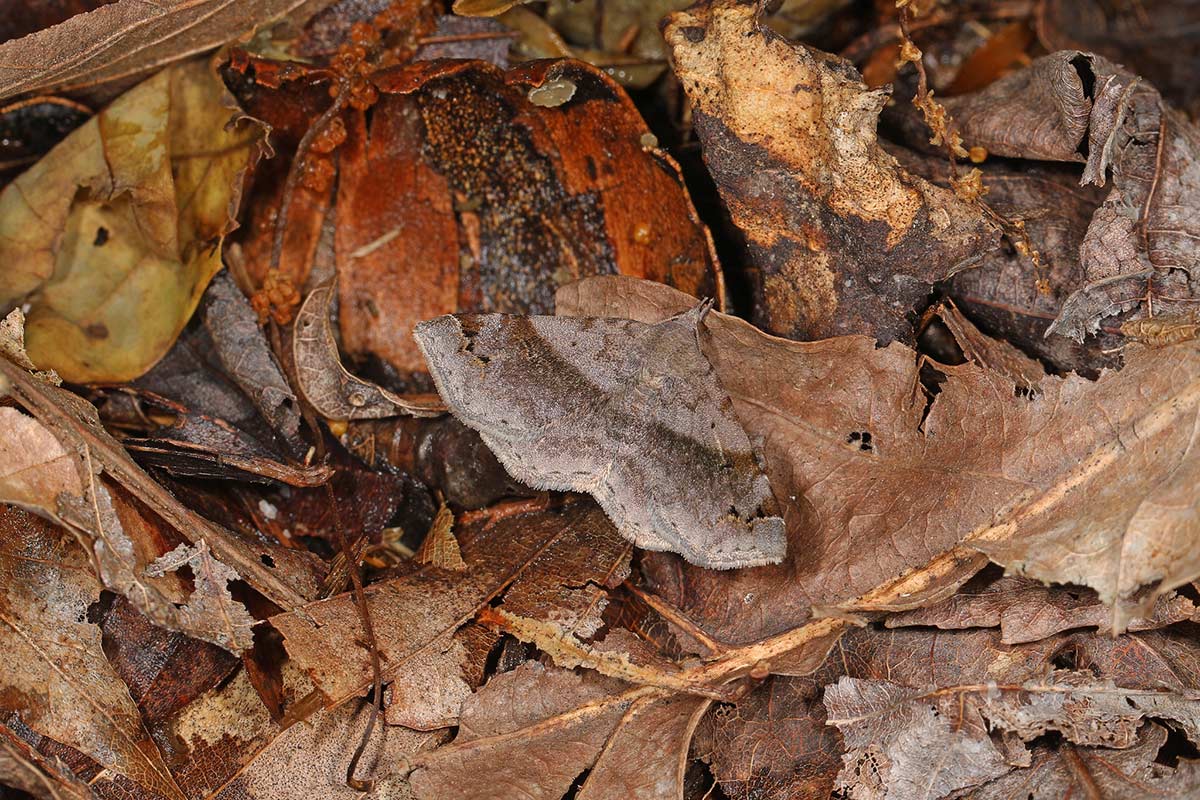
Because moths are such highly sought after food, they have evolved many successful strategies to escape becoming someone’s meal. Many species blend into their natural environments, looking like tree bark, dead leaves, living leaves, or twigs. There are a wide number of species which have evolved to look like bird droppings, which is a very effective method to avoid being eaten by birds! This trait of looking like bird droppings has independently evolved in 5 different families, a great example of convergent evolution. (Move over, crabs!)
Other species have evolved startle reflexes, such as flashing bright colors or eye spots on their hindwings when a predator approaches. Some species fall to the ground and pretend to be a shed leaf. Still other species mimic other animals, such as snakes or jumping spiders.
What’s the deal with moths and lightbulbs?
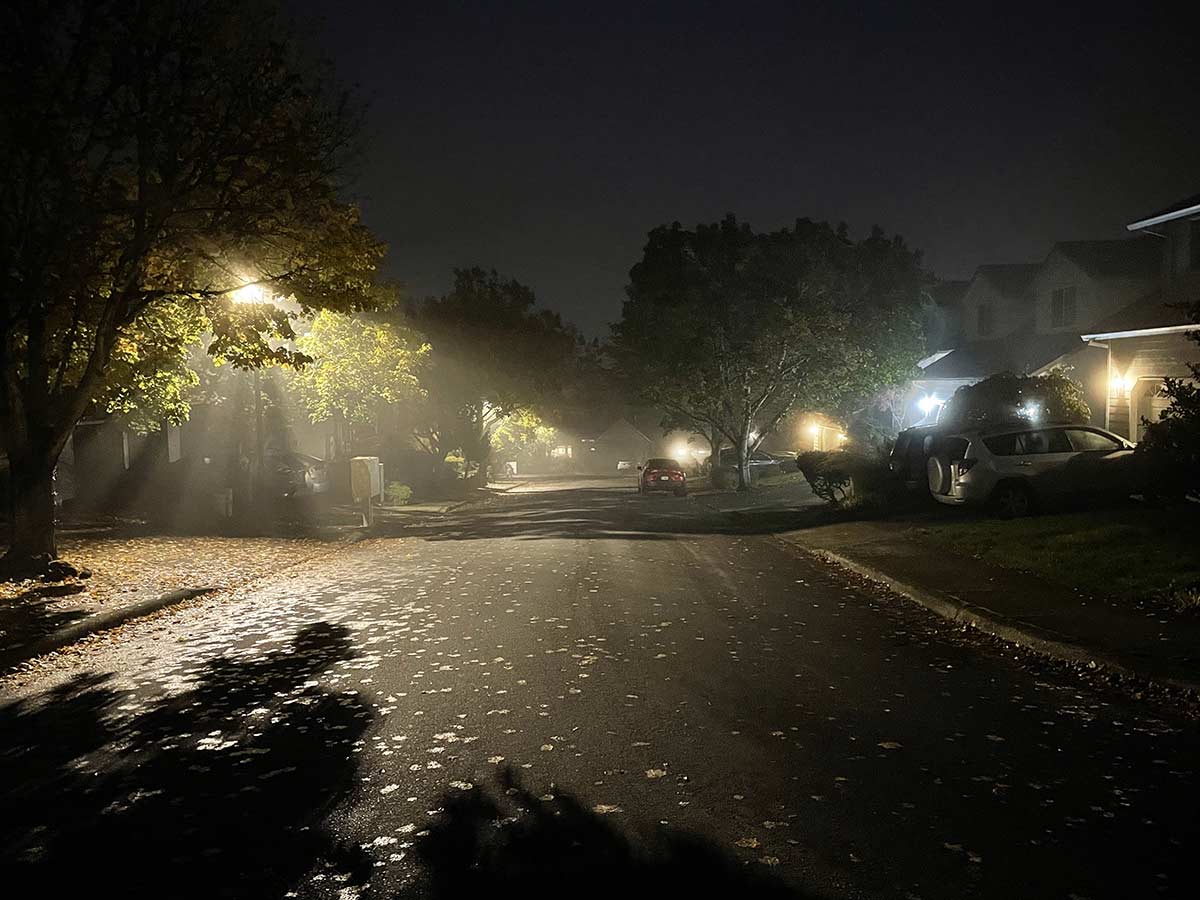
Despite the memes, moths don’t love lightbulbs. Moths have evolved over millions of years on Earth with only the sun, moon, and stars as sources of light. With many species flying at night, they have learned to orient and navigate with the light sources (the night sky) above them. They fly generally towards a fixed point of light, looking for mates and flowers and such.
Now, many parts of the Earth are blanketed in artificial light at night, and this is very confusing to moths. They are not used to actually arriving at a light source. In an effort to keep light to their backs, they end up spiraling around lights. Being trapped at a light source overnight is detrimental to nocturnal insects, since this is the time of day when they should be finding food and mates.
How can I help moths?
Like many insects on the planet, moth numbers are in decline. We can help moths in a number of ways:
- Grow plants that are native to our local region. These native plants are crucially important host plants for caterpillars and nectar plants for moths. Use our Native Plant Lists to find the right ones for your space.
- Change our mindsets to be happy when we see those same plants being eaten by native insects. From a classical gardening mindset, holes in leaves are a problem. From a native gardening mindset, those same holes are a victory because we know the plant is being useful. Plants are resilient, and evolved to handle some nibbling from bugs. Follow our advice on how to tell whether chewed leaves, galls, and other marks are actually an issue or not.
- Keep our yards and spaces free from pesticides. Insecticides will kill caterpillars and moths, and herbicides kill the plants moths need to survive. Herbicides and fungicides can also make moths and other animals sick, even if they do not kill outright. Follow our advice on handling garden issues without pesticides.
- Reduce our light pollution, either by turning off lights at night or using motion sensor lights only. We can also swap our bulbs for yellow or red light bulbs, which are much less disruptive to nocturnal insects. Find more tips in our guide to bug-friendly lighting practices (it’s written about fireflies, but works for moths too!).
- Help others learn about moths. Spread the word about these important animals to your friends and family, and consider going “mothing” yourself to meet some cool species firsthand!
Join National Moth Week and discover cool moths
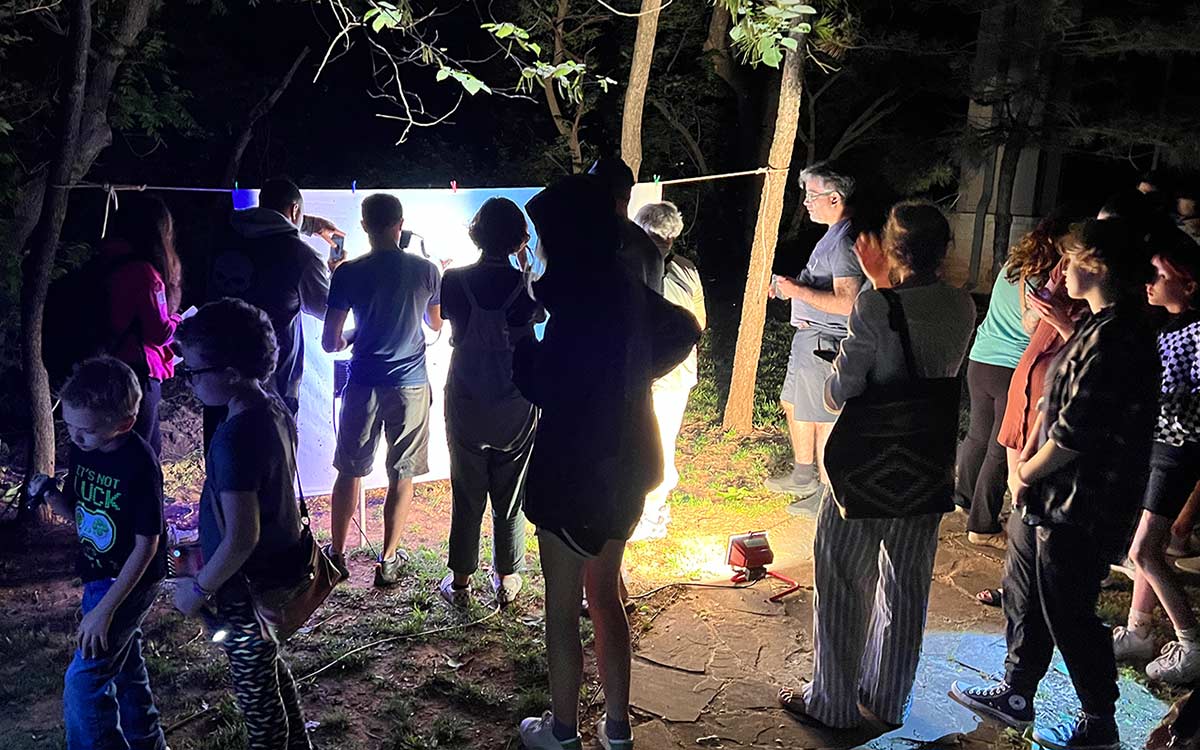
Finally, we would love to invite you to participate in National Moth Week! All around the world people will be joining together to observe moths and bring awareness to these often overlooked insects all around us. Conservation begins with knowing what species are present and you can contribute valuable data wherever you are! Check the Event Map to see if there is an event near you. If not, you can still participate by submitting observations to iNaturalist or Project Noah.
This blog was written by Zach DuFran of National Moth Week, in collaboration with Xerces.