x

New Mexico Pollinator Habitat Kits

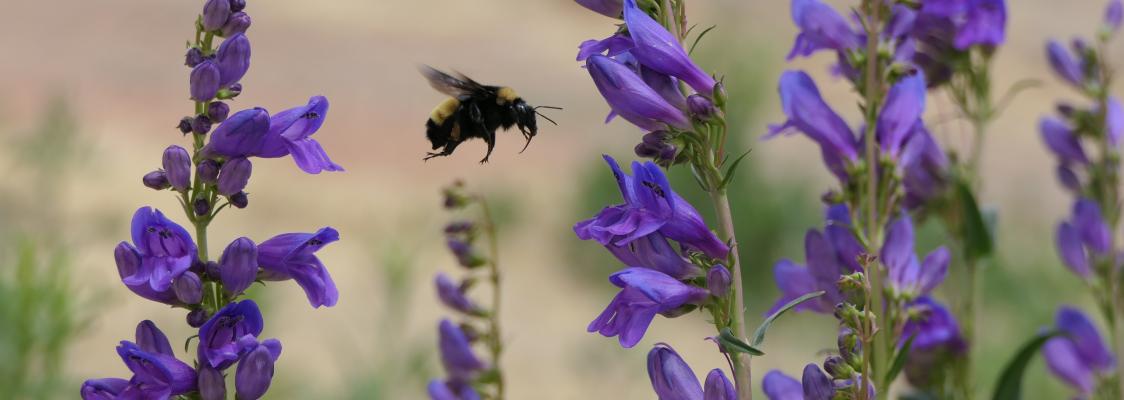
A bumble bee flies near several tall purple flowers.
(Photo: Kaitlin Haase)

With more than three hundred species of butterflies and over one thousand species of bees, New Mexico boasts an impressive diversity of pollinators. In New Mexico, pollinators are threatened across many landscapes due to habitat loss, climate change, and pesticide use. Fortunately, many pollinators are able to thrive in areas where plantings include a diversity of native plant species free of pesticides. To this end, the Xerces Habitat Kit Program is offering habitat kits that contain climate-smart native plants to partners willing to commit to providing the time, labor, and space to establish these plants on properties across New Mexico.

Two Xerces Habitat Kit Programs are offered in New Mexico: the Santa Fe Pollinator Habitat Kit Program, intended for residents and local organizations in urban Santa Fe, and the Northern New Mexico Pollinator Habitat Restoration Kit Program, intended for farmers, ranchers, conservation practitioners, tribes, and public spaces across Northern New Mexico.

Project proposals for the 2026 New Mexico Pollinator Habitat Kit program will be open from May 1 to June 30, 2026. Links to the proposal forms are located in the “Proposal Form” section below.


Learn more

Santa Fe Pollinator Trail Habitat Kits: These kits are intended to be used in yards and home gardens of residential areas in Santa Fe City limits and the directly adjacent urban areas. Select public locations, such as schools, libraries, public gardens, nature centers, parks, etc., within Santa Fe and surrounding communities are also eligible. Habitat kit program participants must have approximately 300 square feet of planting area per habitat kit to accommodate all perennials, plus the tree/shrub, and be able to use the entire kit on one property, but it can be divided up within the area. For example, planting the low water-use plants on the south side of your house and planting medium water-use plants on the north side is an acceptable planting strategy.

If you rent the property where you reside, you must ask your property manager for permission to plant, plus be able to provide the contact information for the person who will maintain and provide reports on the plantings if you move.


Northern New Mexico Pollinator Habitat Restoration Kits: These kits are intended to create or enhance pollinator habitat on working lands, public lands, tribal lands, and private/non-working lands recovering from wildfires, with landowner or land manager collaboration. This includes farms, ranches, tribal land, post-wildfire recovery areas, urban farms or gardens, city parks, school gardens, or other public areas in New Mexico north of Socorro. One upland kit requires 2,500 square feet total, and one riparian kit requires 4,600 square feet total, though the plantings may be split into different areas on one property. Riparian kits are only appropriate for locations with significant soil moisture, such as along rivers, streams, wetlands, acequias, or springs.

The restoration kits are not intended for use in home gardens. 

Timeline
This is an overview of the entire habitat kit process from project proposal to final report. For more information about each step, please read the sections below. 
 

Date(s)

Task

May 1 to June 30

Submit a Proposal Form

July 15

Notification of selection via email

July 31

Sign the Project Partner Collaborative Agreement. 

Spring and summer

Site preparation (weed removal, soil amendment, and install irrigation in planting area if needed)

August 21 to 24

Kit distribution

September 4

Plant your kit and submit a Planting Notification Form (PNF)

July 1, 2027

Submit a Final Report

Proposals for the 2026 habitat kit season will be open from May 1 through June 30, 2026.

We have a standardized ranking process that assesses site readiness and maintenance, pesticide risk, community need, and outreach opportunities. The project proposal helps us determine which projects are likely to be successful. Strong proposals will include detailed responses to the questions. Please reach out to us if you need help with the project proposal form. If you need technical guidance for your project, please reach out as early as possible, so we can provide you with assistance.

Please review the available kits to determine which kits to request within the proposal form.

The proposal form requests information about your planting plans, including a description of the space(s) where you will be planting, how the site will be prepared, and details about any pesticide use. Please take time to review the form and prepare your answers to accurately represent your project.


Santa Fe Pollinator Trail Pollinator Habitat Kit: Submit a Proposal

Northern NM Pollinator Habitat Restoration Kit: Submit a Proposal

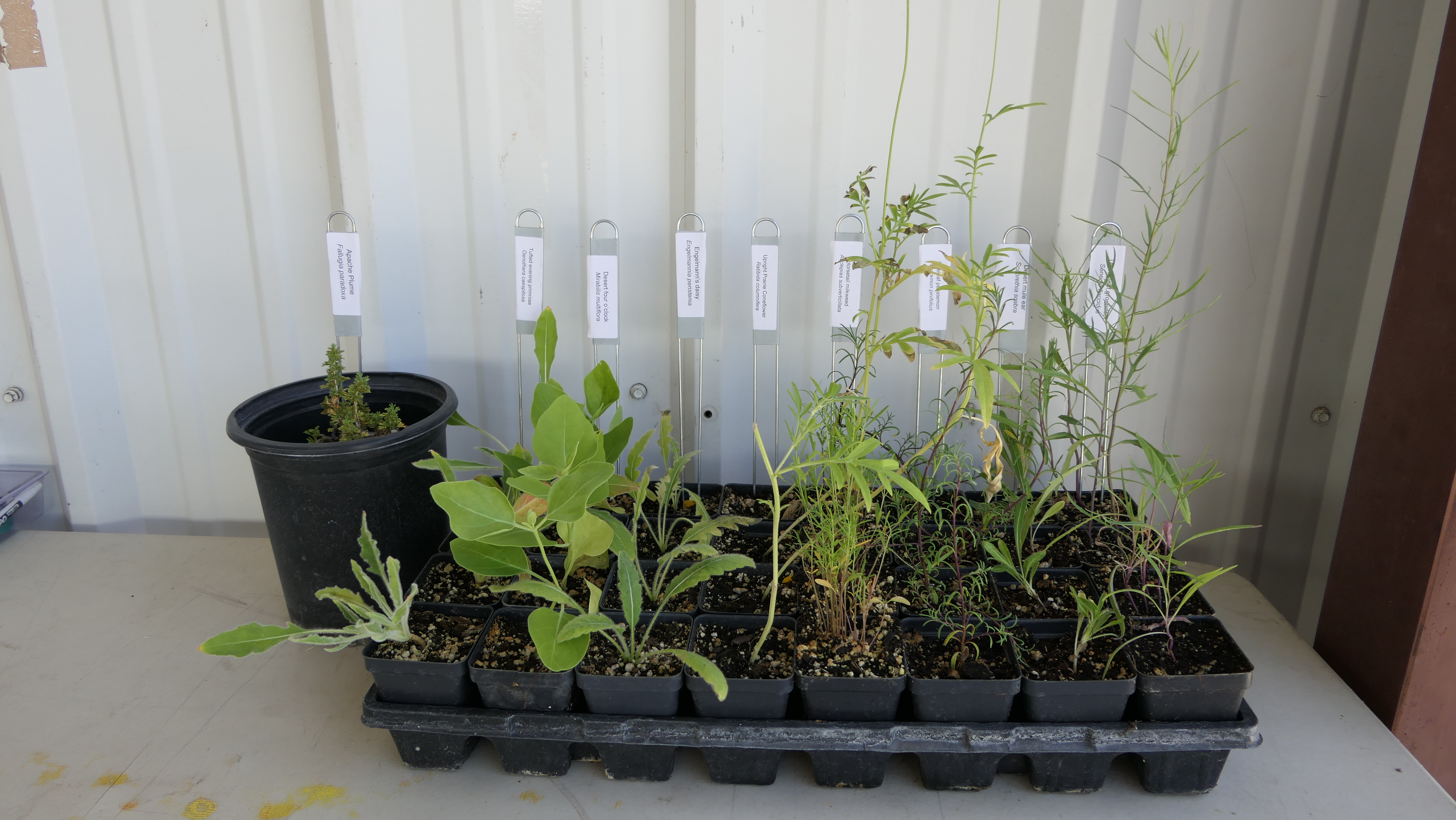
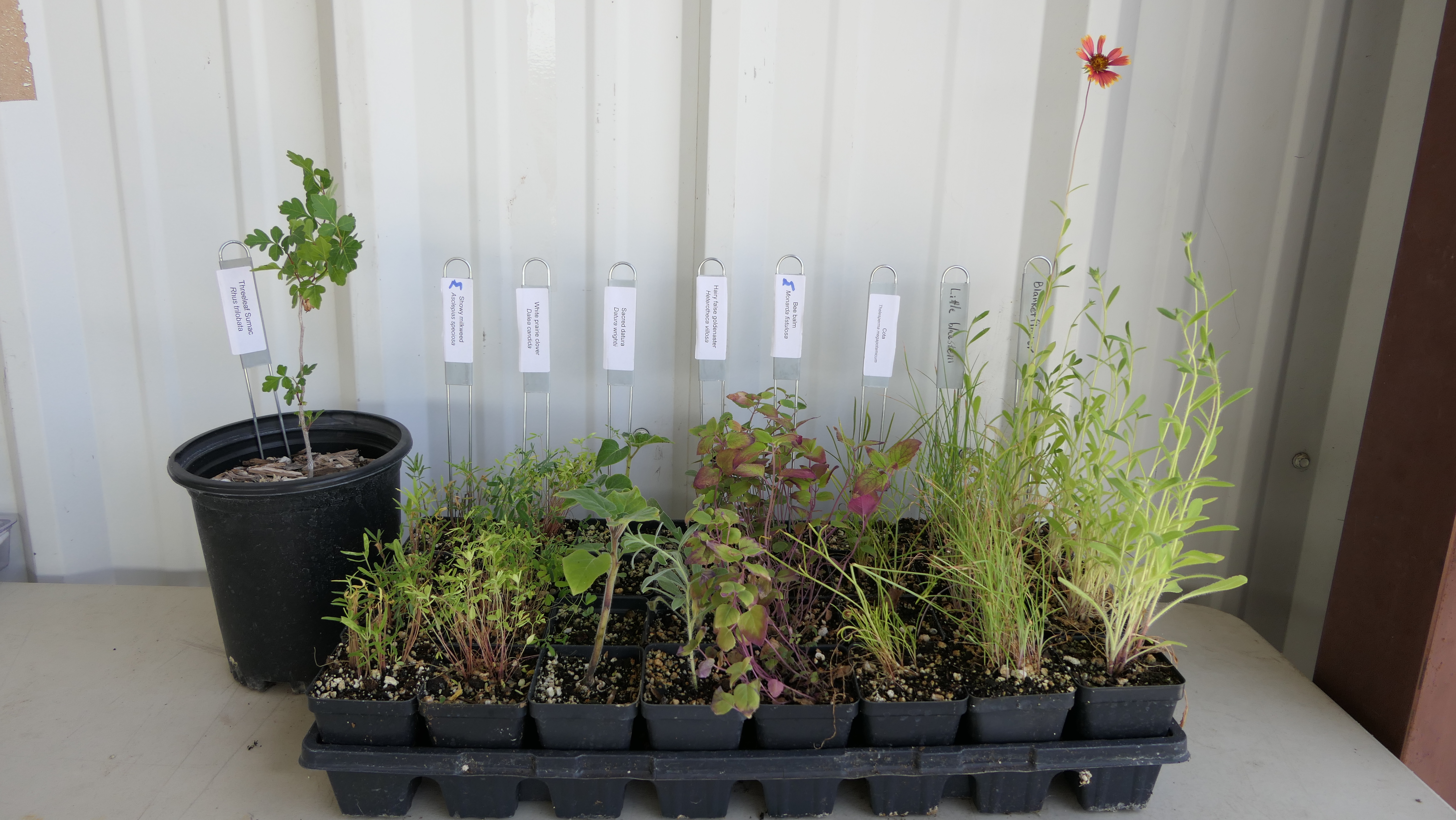
Santa Fe Pollinator Trail - Low Water Kit
This kit with 32 perennial plants and 1 large shrub is ideal for gardens, yards, and landscape beds that are in full sun. These plants will need at least 300 square feet total, which can be planted in different locations around the property. While these plants do well in low water areas once established, they will require regular watering for two years after planting.
 
Santa Fe Pollinator Trail - Low to Medium Water Kit
This kit with 32 perennial plants and one large shrub is ideal for gardens, yards, and landscape beds that are in full to part sun. These plants will need at least 300 square feet total, which can be planted in different locations around the property. While these plants do well in low water areas once established, they will require regular watering for two years after planting and medium water species will need ongoing supplemental summer watering once established.
 
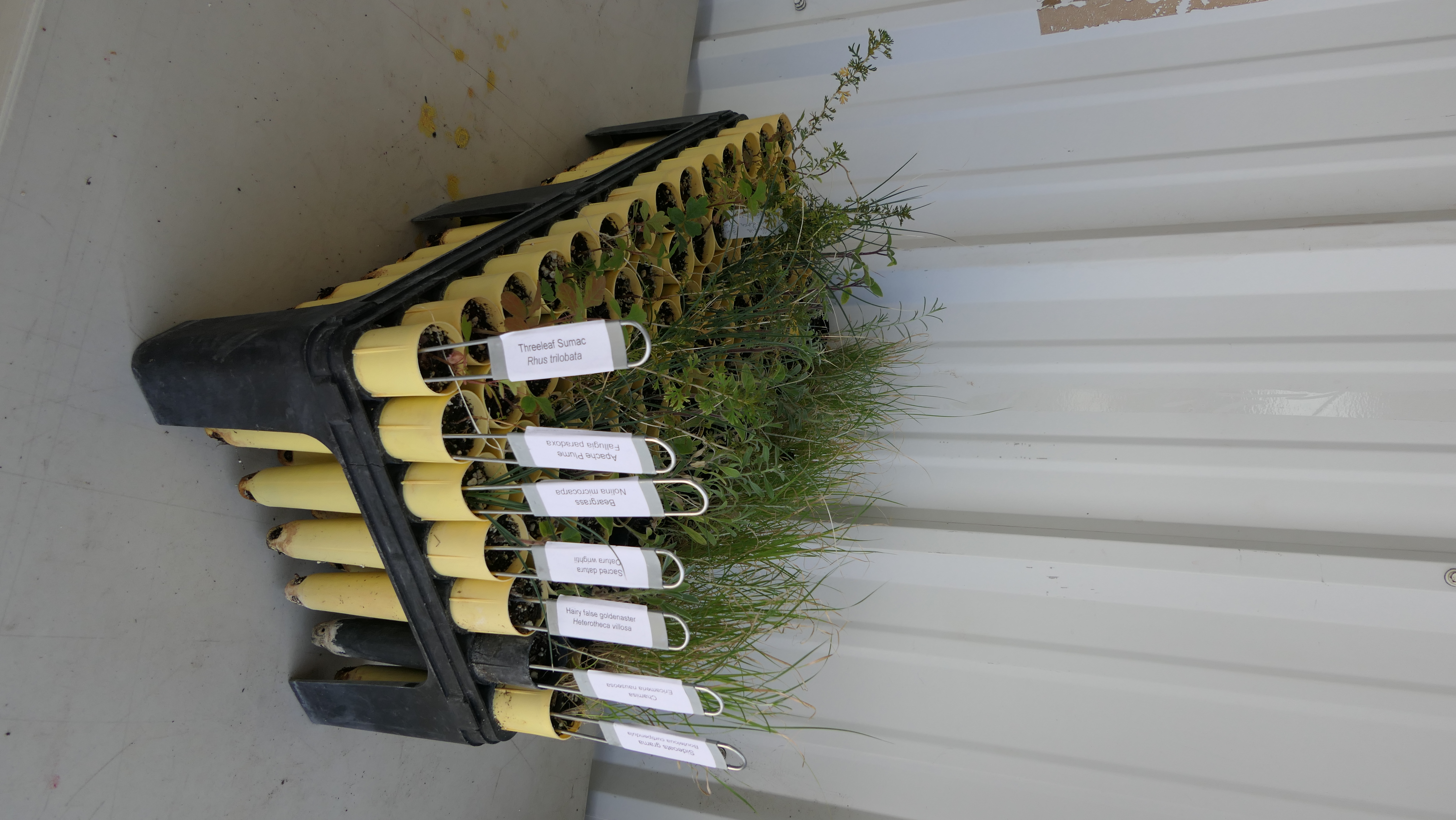
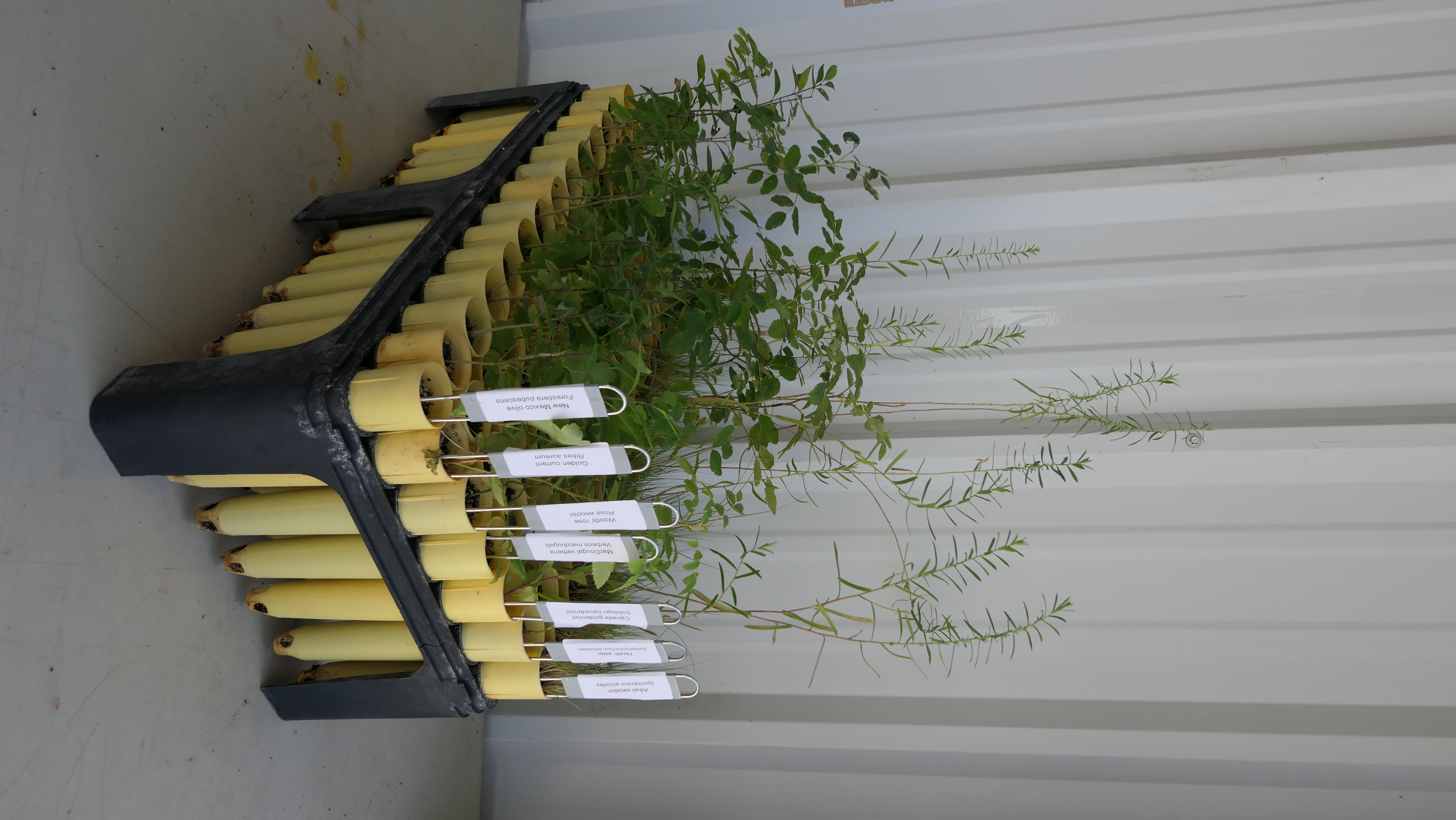
Northern New Mexico Pollinator Restoration - Upland Kit
This kit with 98 plants is intended for upland, dry areas in full sun on working lands, public lands, tribal lands, or lands recovering from wildfire. These plants will need at least 2,500 square feet total, which can be planted in different locations around the property. While these plants do well in upland, dry areas once established, they will require regular watering for two years after planting.
 
Northern New Mexico Pollinator Restoration - Riparian Kit
This kit with 98 plants is intended for wet riparian areas in full to part sun on working lands, public lands, tribal lands, or lands recovering from wildfire. These plants will need at least 4,500 square feet total, which can be planted in different locations around the property. While these plants do well along rivers, streams, wetlands, acequias, springs, or in floodplain areas once established, they will require regular watering for two years after planting.
 

Kits will be available for pick-up from August 21 to 24 in Santa Fe, NM. More details regarding habitat kit distribution and locations will become available if/when your proposal is awarded a kit(s).

Transportation Tips

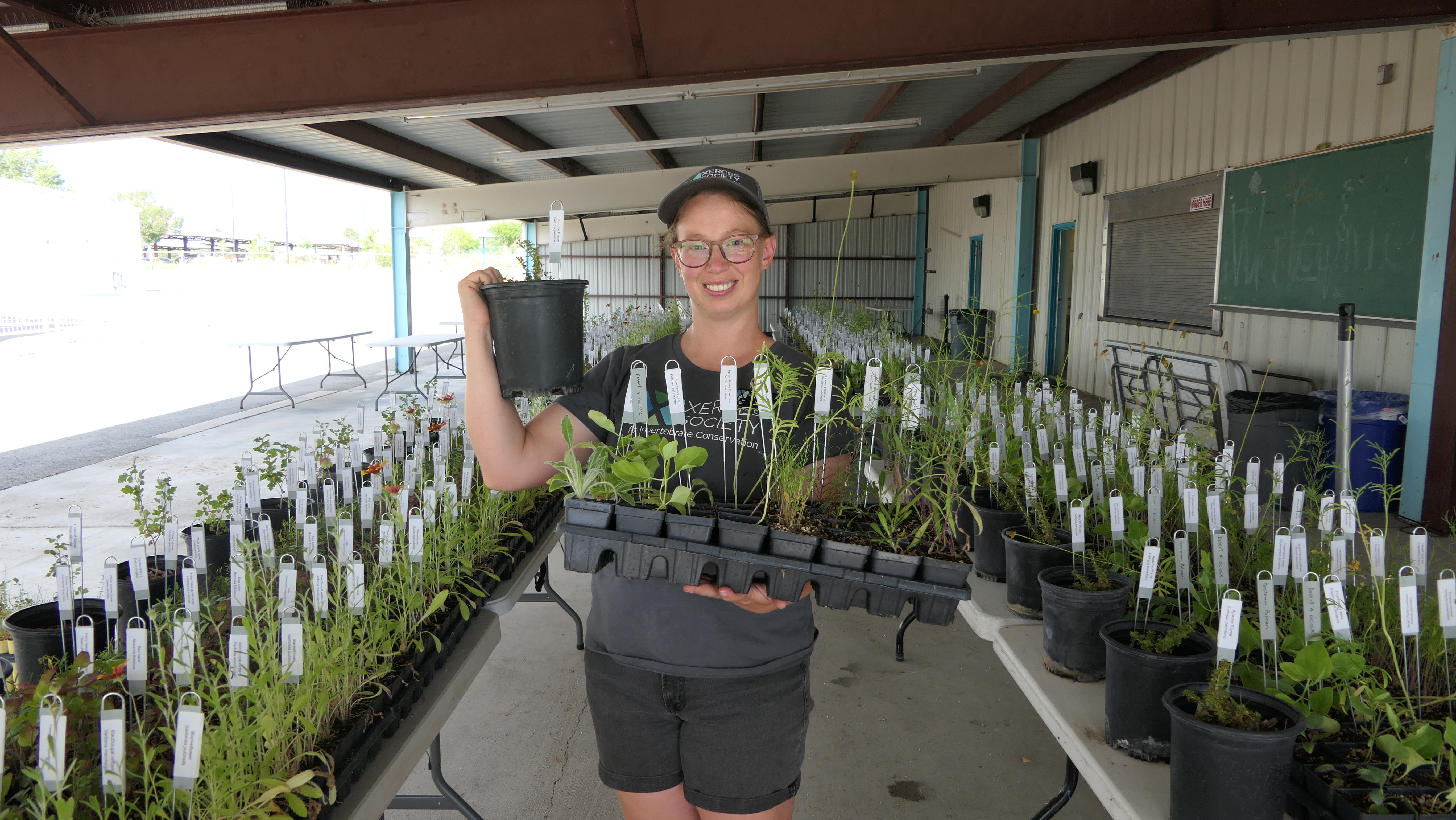
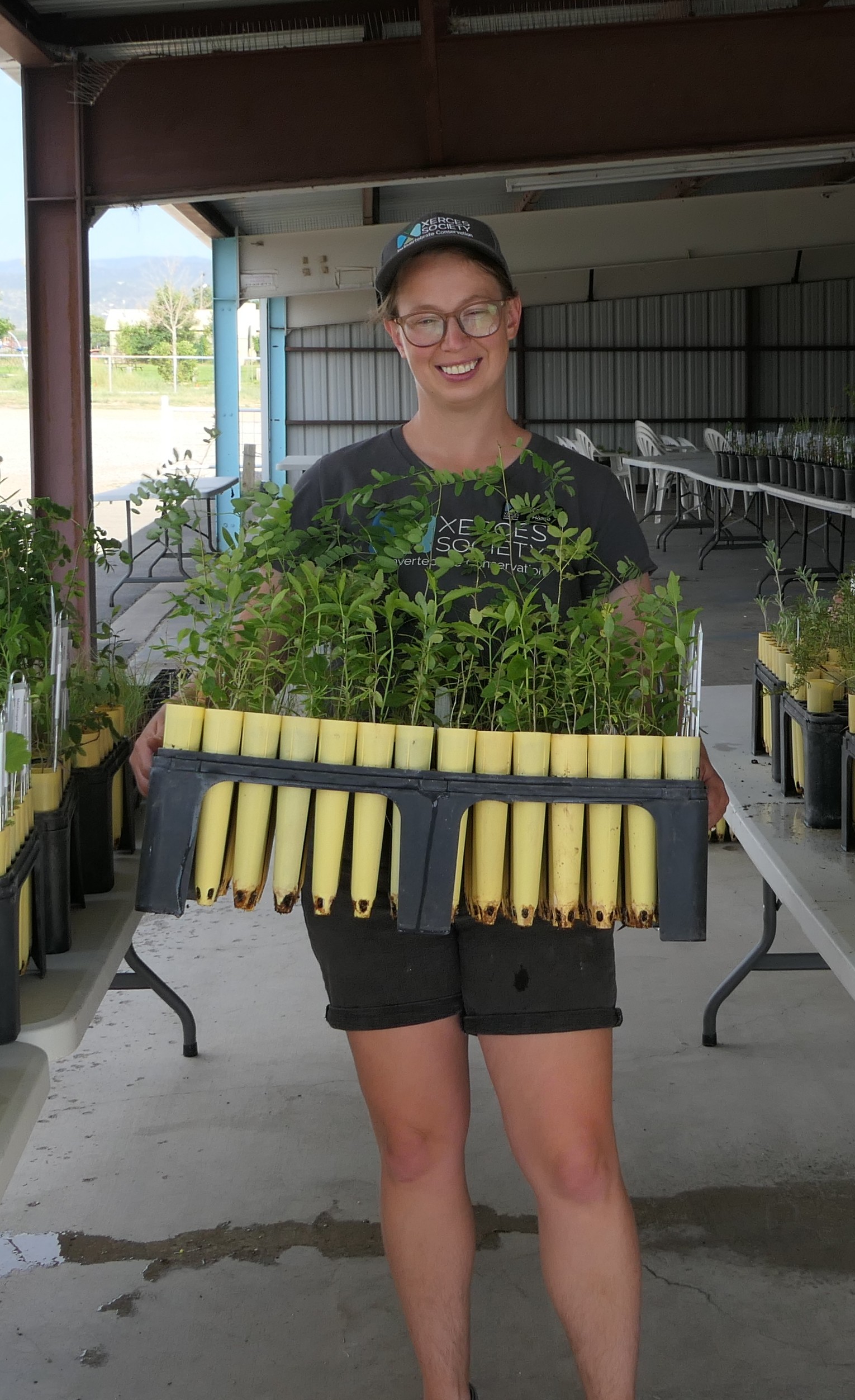
The plants in the kits are small, and the kits themselves are very compact! You should only need the trunk or backseat of a car to fit up to 2 kits of either type. A full truck bed or trailer is unnecessary.


Santa Fe kit size Santa Fe Kit Size


Restoration Kit Size


Note: You must submit the Project Partner Collaborative Agreement before receiving your kit(s).

Reporting is critical to the work that Xerces does, and we cannot count the results of your planting if you do not complete the required reporting. The information provided by all Habitat Kit participants helps Xerces update and improve the science-based conservation resources we offer through our website, training courses, and webinars.

Planting Notification Form
This report confirms the planting at the project site with photo proof. 
Please submit your Planting Notification Form (PNF) by September 15, 2026.

Final Report
This report provides more information on the establishment of the plants. 
Please submit your Final Report by July 1, 2027.

If awarded a kit, you will receive a project partner collaborative agreement that outlines all specific reporting requirements.

Pollinator Conservation Resource Center
Here you'll find region-specific collections of publications, native plant and seed suppliers, and other resources to aid in planning, establishing, restoring, and maintaining pollinator habitat—as well as materials to help you learn about the species of invertebrates and native plants you might encounter.

Watch our webinar: Protecting Pollinators in Santa Fe: Introducing the Santa Fe Pollinator Trail
Read our blog post: New in Santa Fe: Pollinator Trail and Habitat Kit Program
Read our blog post: Santa Fe Pollinator Habitat Kit Program Connects Pollinators and People
Explore our StoryMap: Building the Santa Fe Pollinator Trail StoryMap

Explore our StoryMap to see some established public pollinator kit gardens in Santa Fe: Building the Santa Fe Pollinator Trail StoryMap
 

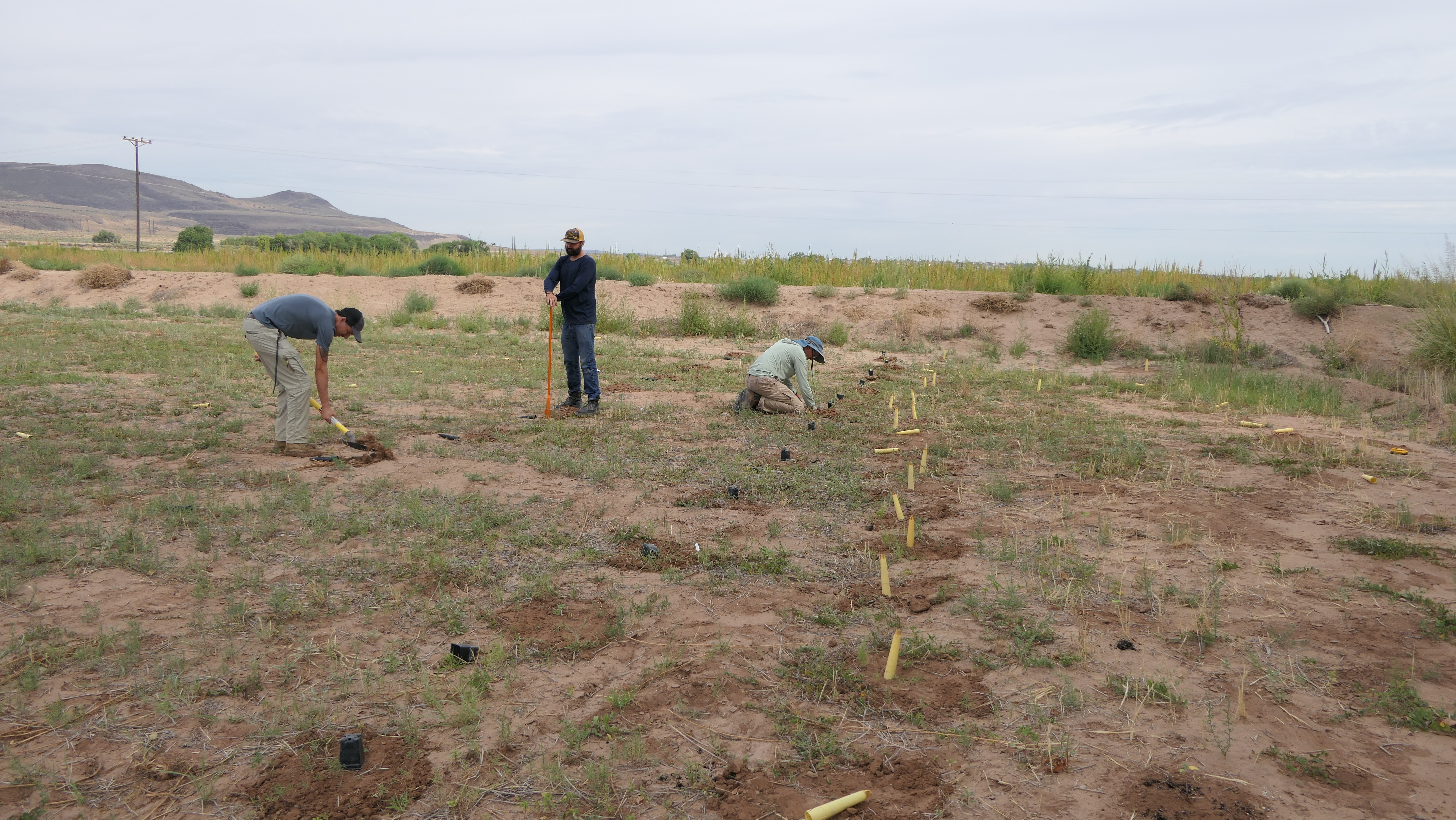
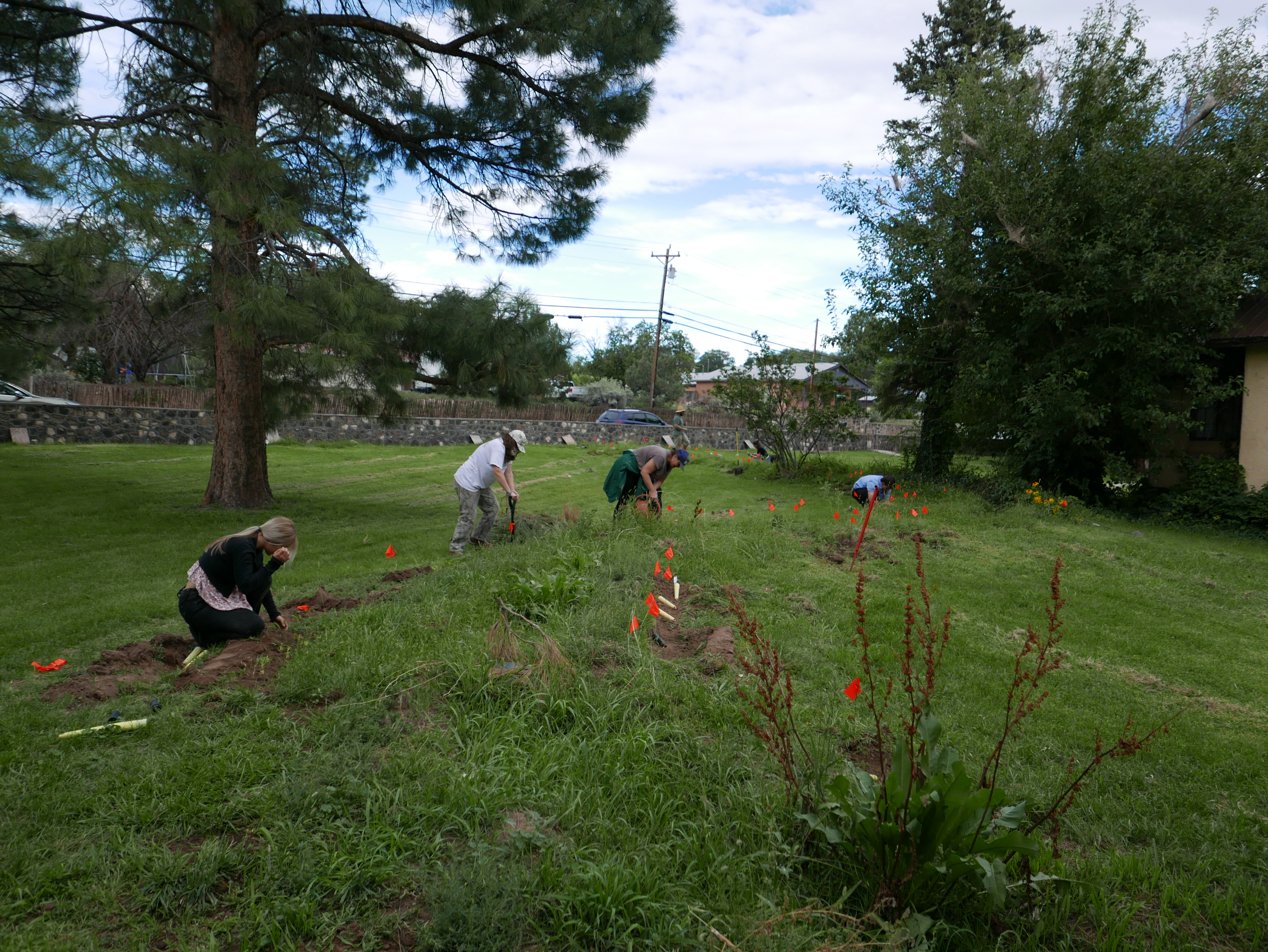
Planting of Northern New Mexico Pollinator Habitat Restoration Kits

Los Lunas Ag Science Center Upland Kit
 

McCurdy Community Center Riparian Kit

Whom should I contact if I have questions?
You can contact [email protected] with any questions about our Santa Fe pollinator trail habitat kit program.


How do I participate in the Habitat Kit Program?
To participate in either the Santa Fe Pollinator Trail Habitat Kit or the New Mexico Pollinator Habitat Restoration Kit programs, submit a project proposal form located in the How to Participate section. The form asks for information about where the kit will be planted, the size of the area, and plans for site preparation, management, and maintenance, as well as plans for pesticide risk mitigation and outreach opportunities, if applicable.
 

What is required of all participants?
Participants will receive a Project Partner Collaborative Agreement that outlines all requirements before picking up the kit.
All participants are required to plant the kit within a reasonable amount of time after receiving the kit (1–2 weeks), and to follow the plan outlined in your project proposal. Once the kit is planted, you must contact us to let us know the kit is planted through the Planting Notification Form. Participants receiving plants in any year will be contacted in the following year to provide follow-up information on the planting, such as plant survival numbers, photos of plantings, and comments on pollinator visitors. 
 

Is my property eligible for Santa Fe Pollinator Trail Habitat Kits?
Private residences within Santa Fe City limits and neighborhoods directly adjacent to the city such as La Cienega, Agua Fria, and Rancho Viejo are eligible. Private residences outside and separate from Santa Fe city limits such as Eldorado, Madrid, and Pojoaque are not eligible, however public spaces like schools, community centers, libraries, or parks in those communities are eligible.
 

Is my property eligible for Northern New Mexico Pollinator Habitat Restoration Kits?
Working lands, public lands, tribal lands, and private/non-working lands recovering from wildfires north of Socorro, NM are eligible for these kits. These properties include farms, ranches, tribal land, post-wildfire recovery areas, urban farms or gardens, city parks, school gardens, or other public areas.
 

How much space do I need for a kit?
Santa Fe Pollinator Trail Habitat Kits require a total of 300 square feet. The Upland New Mexico Pollinator Habitat Restoration kit requires 2,500 square feet, while the riparian kit requires 4,600 square feet. Kits may be planted in several locations across one property, but may not be split between multiple properties and partners.
 

When will the kits be available?
Kits will be available for pickup in Santa Fe in August.
 

How do I get my kit?
Kits will be transported from Santa Ana Native Plant Nursery and available for pick up in Santa Fe. 
 

Can I have the kit delivered to me?
No. Kits must be picked up by participants.
 

Can I purchase a kit?
No. These kits are not available for public purchase. 
 

What plants are in the kits?
View the Available Kits section above for species lists of each kit type. Kit contents are subject to change based on nursery availability.
 

How did you decide what plants to include in the kits?
Plants were chosen to provide the best foraging resources for native pollinators in the Santa Fe area. The selection was based on numerous sources, such as technical reports, research datasets, and communications with local pollinator experts. Other considerations that determined species selection included seed availability, ease of greenhouse propagation, and fall planting suitability.
 

Can I get technical assistance for creating and maintaining my kit?
Yes! We are happy to help. You may contact [email protected] with questions about your project and for advice on how to ensure that your project will be successful. You can also find a variety of informational materials on our website. See our Santa Fe Pollinator Trail Habitat Kit planting guidance webinar.
 

How can I support the Xerces Habitat Kit program?
The habitat kits are possible thanks to the generosity of Xerces Society donors and members. Find out how you can support the Xerces Society at https://xerces.org/donate

You can contact [email protected] with any questions about our Santa Fe pollinator trail habitat kit program.


Meet our New Mexico Habitat Kit Team

Kaitlin Haase, Southwest Pollinator Conservation Specialist

Kaitlin Haase

Pollinator Conservation Specialist Southwest

Community-Building Opportunities

  • Mighty Networks (coming soon)
  • Habitat Kit Network Map (available in 2027)
  • Xerces Community Science Programs

Social Media
When posting about the Xerces Society Habitat Kit Program, you can help us spread the word about invertebrate and habitat conservation by including context about Xerces’ mission and our habitat kit program for any of your followers who don’t already know. Need some talking points? Click here for some key information to share about the Xerces Society Habitat Kit Program.

Please tag us in your posts so we can see your progress! Here are links to our social media pages: