x

Southern California Residential Pollinator Habitat Kits

Pollinator garden in residential area
(Xerces Society/Giovanni Di Franco)

Southern California is home to unique flora and fauna, including thousands of endemic species. Unfortunately, many of our beneficial pollinator populations are declining in California, including bees and butterflies. The population of western monarch butterflies has declined by 95% since the 1980s. Eight of California’s 25 bumble bee species, including Crotch’s bumble bee (Bombus crotchii), are at risk. Reasons include habitat loss, pesticide use, and climate change.  But there is a way you can help!

If interested, you could collaborate with the Xerces Society Society. The Southern California Habitat Kit Program serves to provide transplants of native, pollinator-friendly species to residents in Southern California. You just have to commit to planting the kit and caring for it. With that, you will contribute to creating habitat for our native pollinator species by introducing flowering plants into your garden.

This habitat kit program serves residential projects. If you are interested in having a non-residential project supported by The Xerces Society Habitat Kit Program in California, please visit the California Monarch and Pollinator Habitat Kits webpage.


Submit a project proposal in English


Entregar una propuesta en español


Learn more

Qualifying Projects

Residential properties, school yards, community gardens, and urban spaces


Locations (Counties)

Los Angeles, Orange, Ventura, Santa Barbara, San Bernardino, Riverside, San Diego, Kern


If you do not see your region listed, we do not have kits suitable for your region.

Timeline

This is an overview of the entire habitat kit process from project proposal to final report. For more information about each step, please read the sections below. 
 

Date(s)

Task

June 1 to June 30, 2026

Submit a Proposal Form

Early August

Notification of selection via email

September

Sign the Project Partner Collaborative Agreement. 

September through December

Site preparation

November, December

Kit Distribution: Mojave and Sonoran Desert (November), Coast to Foothills (December)

November - January

Plant your kit and submit a Planting Notification Form (PNF) by January 15, 2027

June 2027

Submit a Final Report

Proposals for the 2026 habitat kit season will be open from June 1, 2026, through June 30, 2026.

Make sure you have details about your project site (i.e., address, water source, etc…) and think about how creating pollinator habitat will impact your home, neighborhood, and local wildlife. Additionally, make sure you are ready to commit to omitting the use of pesticides!


Submit a project proposal in English


Entregar una propuesta en español

Coast to Foothills Habitat Kit
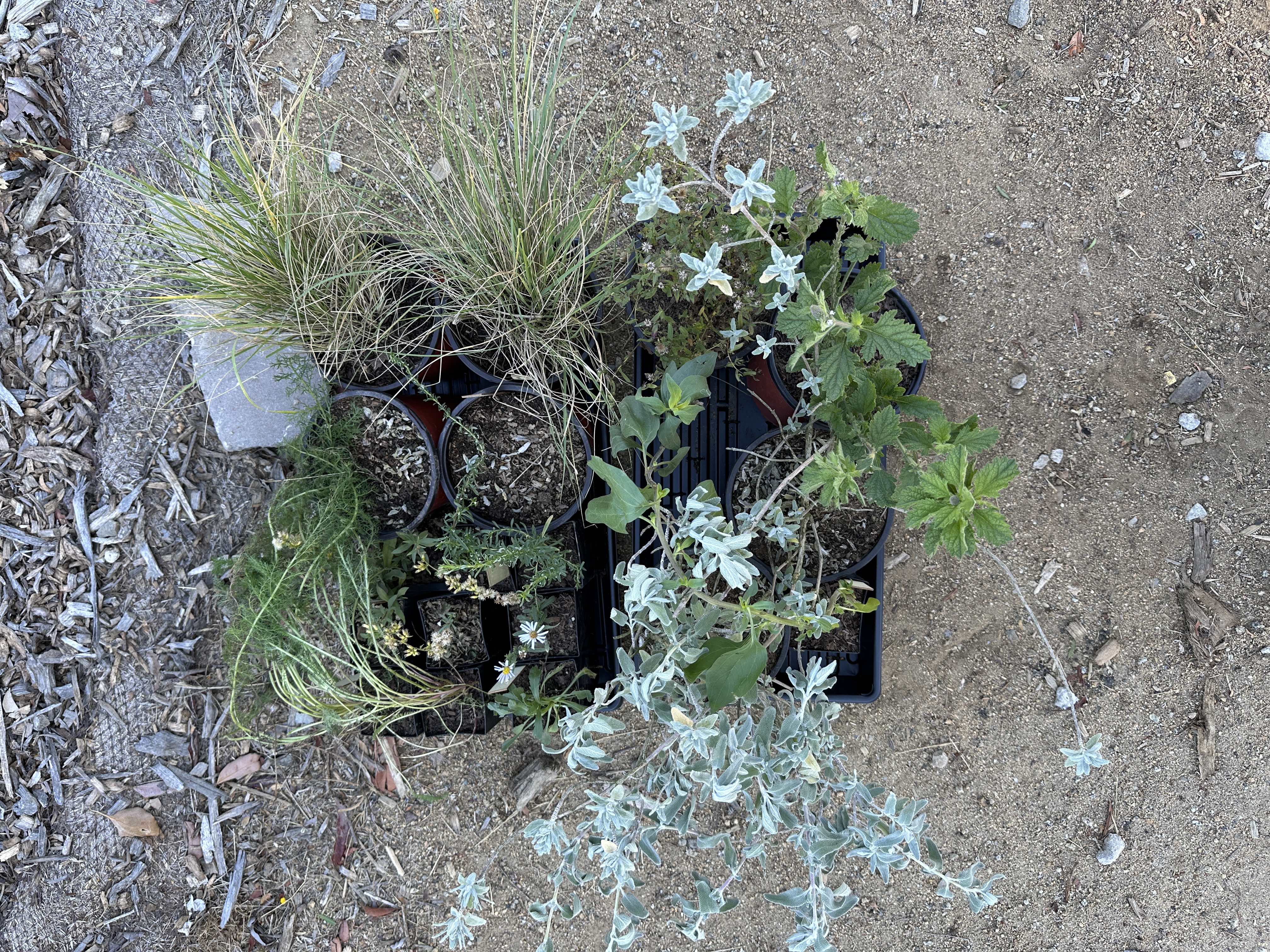
Each kit contains 22 plants with 11 different species. This number of plants covers approximately 200 - 250 sq ft depending on spacing. These plants are native to the Southern California coastal/foothill regions. The species flower at different times of the year and provide nectar, pollen, and habitat resources for different invertebrates.
 
Mojave and Sonoran Desert Habitat Kit
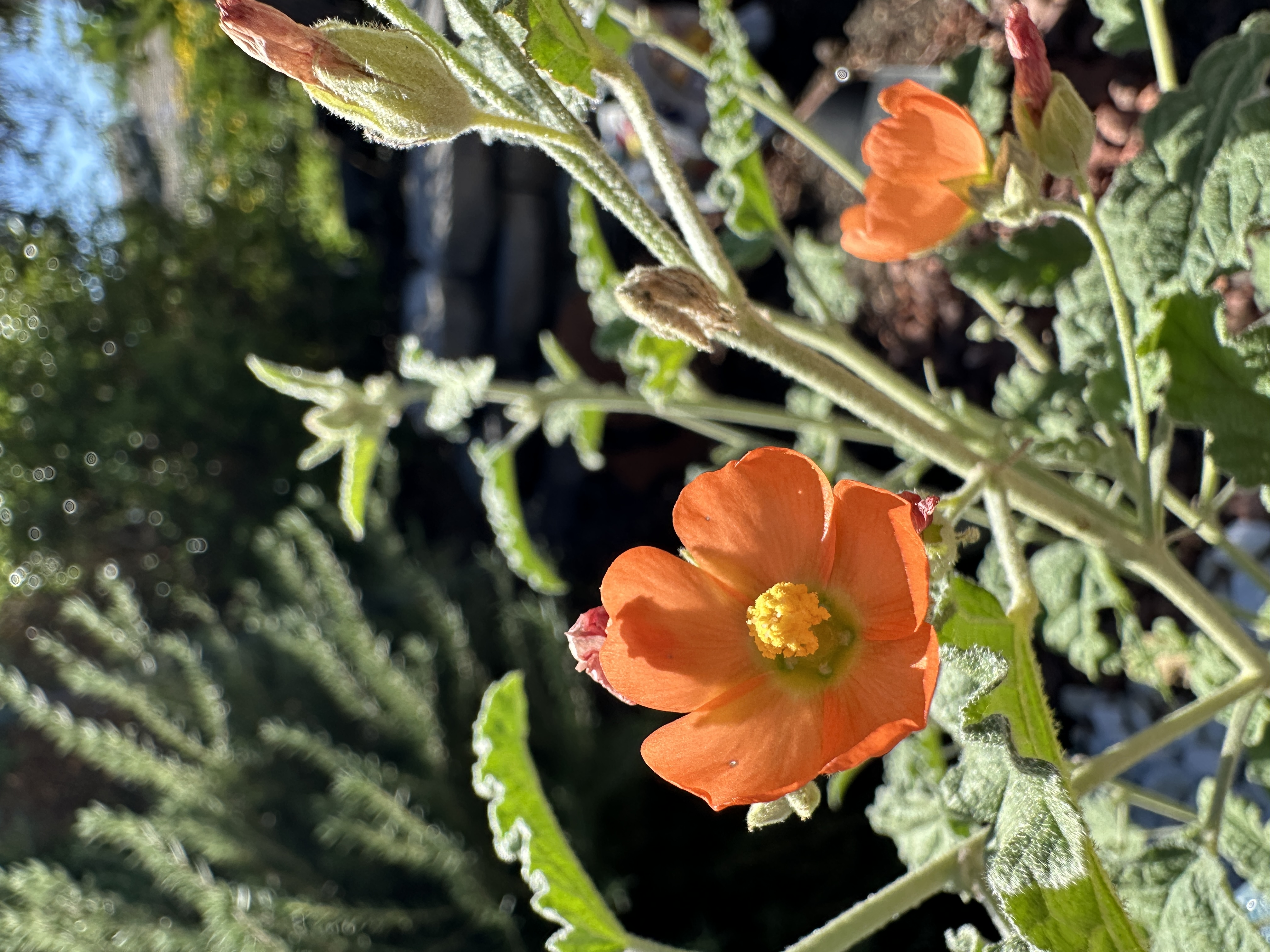
These plants are native to the Mojave and Sonoran Deserts. The species are adapted to the extreme temperatures that vary daily, from freezing nights to scorching days. We have selected species that flower at different times of year to provide nectar, pollen, and habitat resources for different invertebrates.
 

Note: Plant species may be subject to change based on annual production and inventory. We do our best to work with our nursery partners to design habitat kits in advance and do not anticipate significant changes to kits. However, there are instances where nurseries may experience unexpected production issues for a particular species in a given year. Xerces staff frequently check in with our nursery partners to track plant orders, and we will notify project partners of any species substitutions or other changes to the kits before kit distribution, with as much advanced notice as possible.

Habitat kits will be available for pick-up in November for “Mojave & Sonoran Desert” kit recipients and in December for “Coast to Foothill” kit recipients. More details regarding habitat kit distribution and locations will become available if/when your proposal is awarded a kit(s).

November: Mojave & Sonoran Desert Kit Distribution Site

December: Coast to Foothills Kit Distribution Sites

Transportation Tips

Plants are grown in 4” containers. You will be provided a tray that will hold your plants.
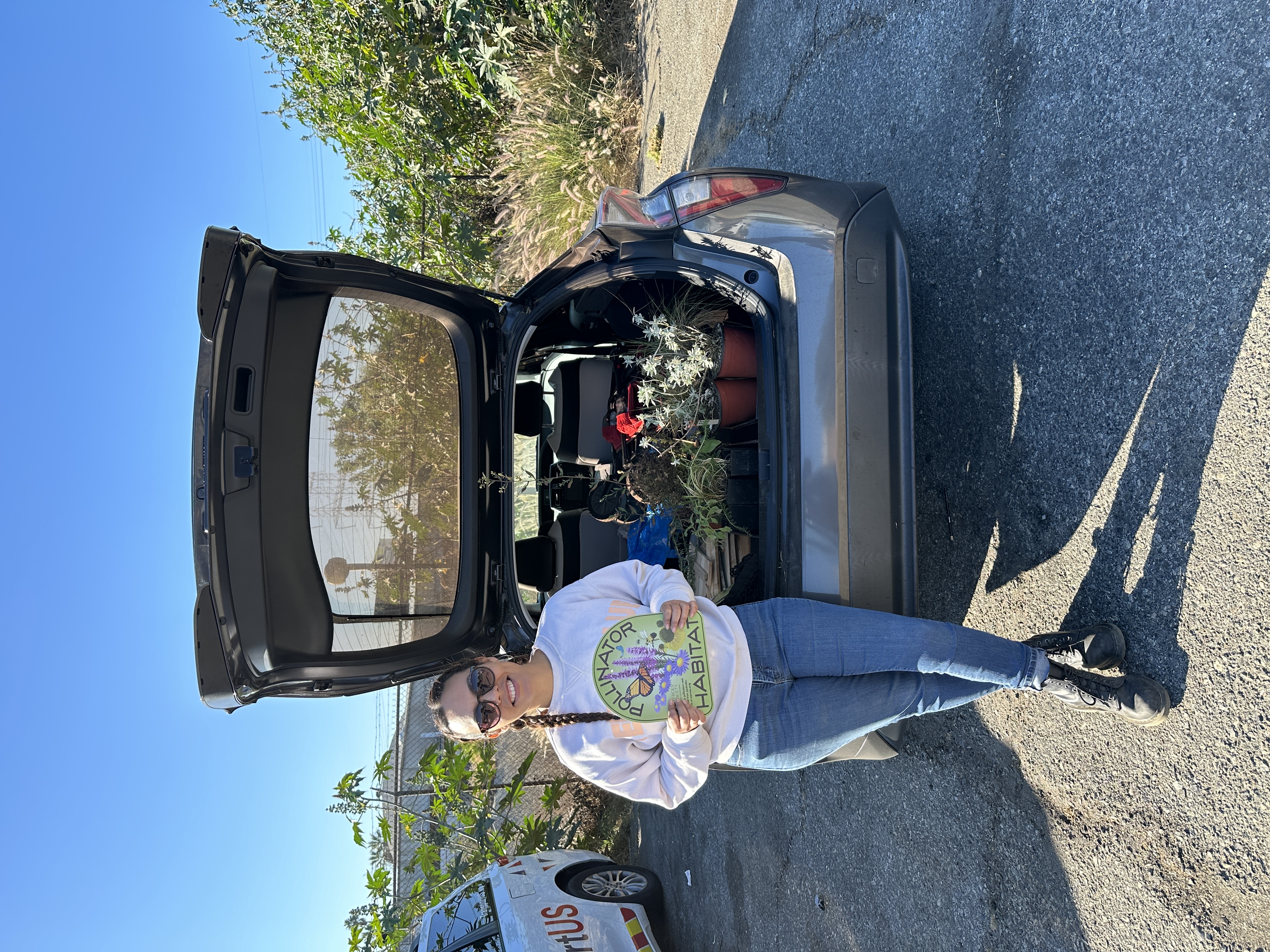
A car of any size should be large enough to fit your habitat kit.

Note: You must submit the Project Partner Collaborative Agreement before receiving your kit(s).

Reporting is critical to the work that Xerces does, and we cannot count the results of your planting if you do not complete the required reporting. The information provided by all Habitat Kit participants helps Xerces update and improve the science-based conservation resources we offer through our website, training courses, and webinars.


Planting Notification Form

This report confirms the planting at the project site with photo proof. Please submit your Planting Notification Form (PNF) by January 15, 2027.


Final Report

This report provides more information on the establishment of the plants. Please submit your Final Report by June 30, 2027.


If awarded a kit, you will receive a project partner collaborative agreement that outlines all specific reporting requirements.

Site Preparation 

  • Make sure you have areas of bare soil to plant your kit
  • Remove any weeds or lawn grasses in your planting area that could compete with the native plants in the habitat kit
  • Irrigation
    • Drip Irrigation limits water runoff and reduces water usage
    • Supplemental watering may be necessary for the first few summers of your planting
  • Hand watering
    • Ensure you have a strict schedule and reminder to water your garden
    • Water the plants deeply and less frequently than frequent, superficial sprays
       

Planting

  • Layout/spacing
    • You will receive a planting guide customized for this year's plant list
    • Take note of the mature height and width of each plant listed on the plant list.
    • Use these details to determine the exact amount of space they need from each other and the placement in your garden.
  • Tools
    • As the plants are grown in smaller containers, you should be able to manage using small hand tools.
    • Planting and maintenance: weeder, shovel, spade, trowel, gloves, watering can or hose
    • For site preparation: rototiller, soil amendments (sand for clay soil), rake, sod cutter


Maintenance

Pollinator Conservation Resource Center
Here you'll find region-specific collections of publications, native plant and seed suppliers, and other resources to aid in planning, establishing, restoring, and maintaining pollinator habitat—as well as materials to help you learn about the species of invertebrates and native plants you might encounter.

Please check in future years as our partners’ projects begin to mature!

Who should I contact if I have questions?
You can contact our Southern California Habitat Specialist, Giovanni, at [email protected] with any questions about our California residential habitat kit program.
 

How do I participate in the California Residential Habitat Kit Program?
Project proposals will open every June for all Southern California residents. The form asks for information about where the kit will be planted, size of the area, and plans for site preparation, management, and maintenance, as well as plans for pesticide risk mitigation and outreach opportunities, if applicable.
We have a webinar with more information and tips on filling out the project proposal form.
 

Can I have the kit delivered to me?
We do not have the capacity to deliver kits to our project partners. If selected to receive a kit, partners must pick up their kit from one of our kit distribution locations.
 

Can I get more than 1 habitat kit?
Yes! In your project proposal, please select how many kits you would like to incorporate into your project. Take into consideration how much space you have on your property and ensure you can manage planting all the plants in the kit within a reasonable timeframe. While we would be happy to provide everyone with their desired number of kits, we will prioritize providing kits for as many qualifying projects as possible. If there are kits remaining, we will try our best to assign multiple kits to those who have requested on their proposal forms.
 

How did you decide what plants to include in the kits?
The plant species included in the kits have been chosen based on monarch nectaring observations compiled from numerous sources, including published and technical reports, research datasets, and personal communications with monarch researchers, botanists, and other experts. Visitation data provides good general guidance on which plants are preferred by monarchs. Additional factors, such as availability, climate adaptiveness, regional and site suitability and general pollinator attractiveness, were also taken into consideration. We also include important host and nectar plants for other declining pollinators whenever possible. All plant species in the habitat kits are native to California.
 

I would like to create a pollinator garden at a school (or other public place). Can I apply to the residential kit program?
Yes! We designed the residential habitat kit to work for both residential properties and small school gardens or public spaces. This kit includes 18 individual plants. If you feel that your non-residential project could accommodate more plants, we encourage you to look at the “Garden Kits” under the California Habitat Kit Program.
 

Are habitat kits organic?
Habitat kits are not certified organic but are grown without the use of harmful pesticides.
 

Can I purchase a kit on my own?
While you cannot purchase the kits Xerces created, you are welcome to use our plant list to source plants from local nurseries on your own!
 

Can I get technical assistance for creating and maintaining my kit?
Yes! We are happy to help. You may contact our Southern California Habitat Specialist, Giovanni, at [email protected], with questions about your project and for advice on how to ensure that your project will be successful.
We have created a planting guide for our California habitat kits. You can also find a variety of information and materials on our website, particularly in the Pollinator Conservation Resource Center.
 

I do not live in California. Am I eligible for a kit?
While this particular habitat kit program is only for Southern Californians, we do have habitat kit programs in other regions.
 

How can I support the Xerces Habitat Kit program?
The habitat kits are possible thanks to the generosity of Xerces Society donors and members.
Support the Xerces Society

Meet our Southern California Habitat Kit Team:

Giovanni Di Franco in a field

Giovanni Di Franco
Endangered Species Conservation Biologist Pollinator Habitat Specialist


If you have questions, please email our regional lead at [email protected].

Community-Building Opportunities
Habitat Kit Network Map (available in 2027)


Social Media
When posting about the Xerces Society Habitat Kit Program, you can help us spread the word about invertebrate and habitat conservation by including context about Xerces’ mission and our habitat kit program for any of your followers who don’t already know. Need some talking points? Click here for some key information to share about the Xerces Society Habitat Kit Program.

Please tag us in your posts so we can see your progress! Here are links to our social media pages: