x

Washington Bumble Bee and Pollinator Habitat Kit Program

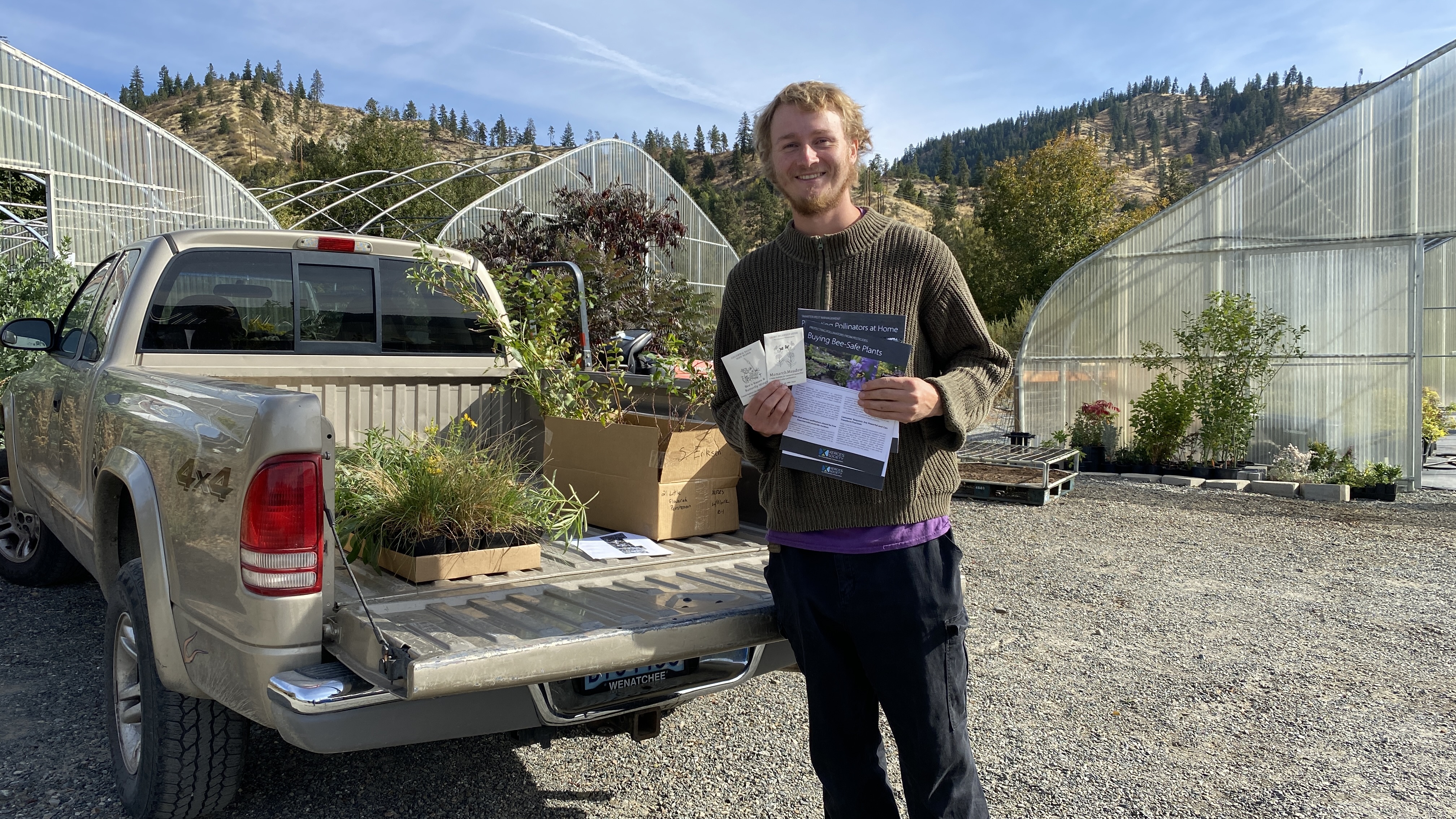
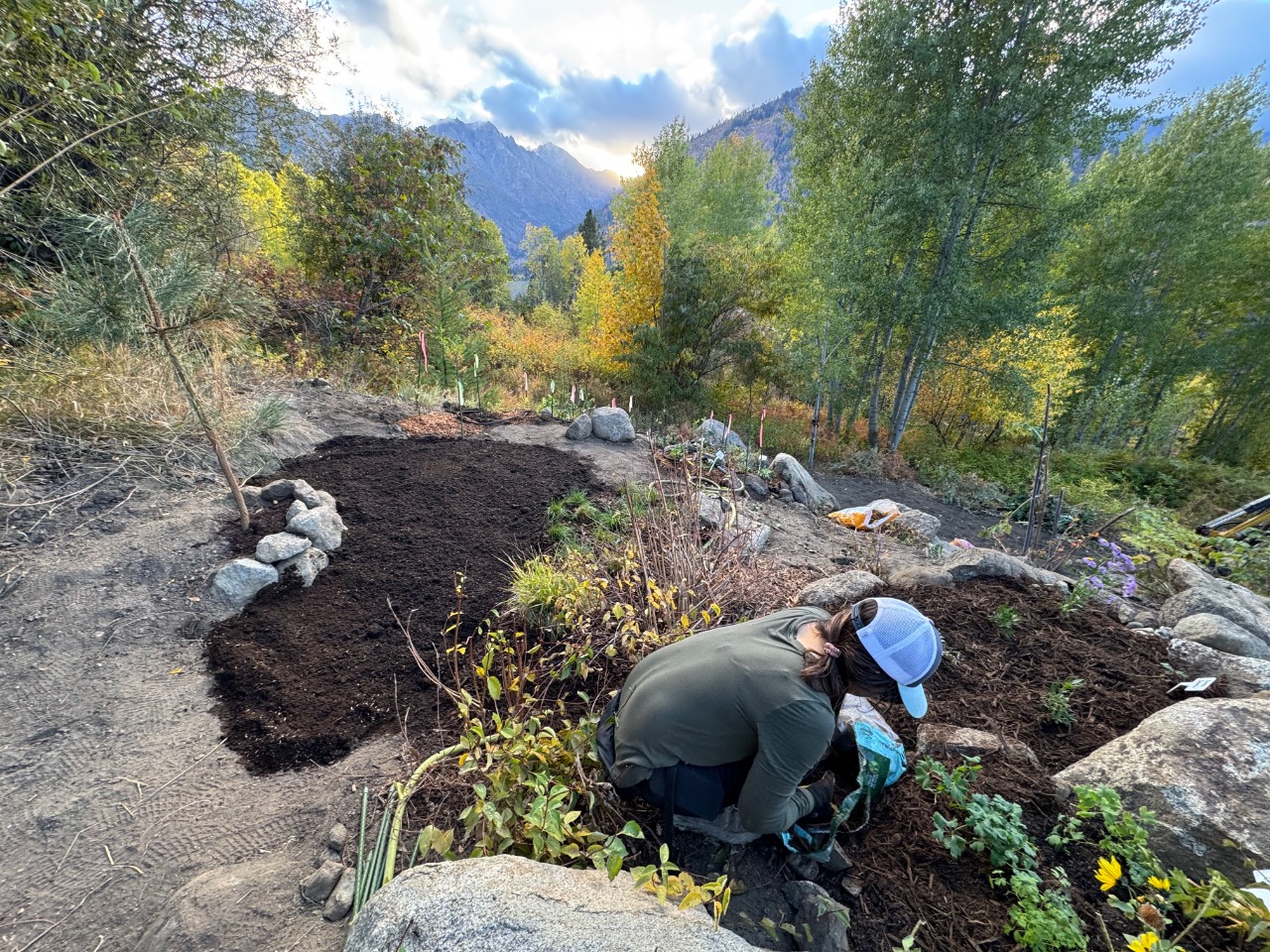
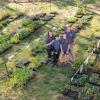
Xerces team member with native plants.
(Photo: Xerces Society / Michele Blackburn)

In response to declines in several bumble bee species, the Xerces Society, in partnership with the US Forest Service, Bureau of Land Management, US Fish and Wildlife Service, and Washington Department of Fish and Wildlife, has developed a statewide strategy to conserve these essential pollinators in Washington. The strategy identifies priority management areas where targeted conservation actions can increase the amount of habitat available to at-risk bumble bees, with the potential to benefit the highest number of these species.

As part of this effort, the Xerces Habitat Kit Program is offering habitat kits with native, pollinator-friendly plants at no cost to a wide range of community partners in eastern Washington. These kits include carefully selected, regionally appropriate plants for shovel-ready projects designed to create habitat for at-risk bumble bees and other pollinators. Partners receiving kits contribute time, effort, and space to establish these vital habitats.

Proposals for the 2026 habitat kit season are now closed. To be notified when the next round opens for the Washington Habitat Kit Program, please fill out this form to join our contact list.


Learn more

Qualifying Projects
Habitat kits are designed to create or enhance pollinator habitats on public lands, tribal lands, community spaces, private lands, and working lands. Eligible sites include natural areas, community gardens, city parks, school gardens, residential spaces, rural and urban farms, ranches, and other private and public areas.

Stewards of working lands are encouraged to partner with organizations that can provide technical support for their projects, such as Conservation Districts, the Natural Resources Conservation Service (NRCS), or other conservation groups.

If you have questions about your project’s suitability or requests for technical guidance on your project, please email us at [email protected].


Qualifying Locations
We have kits available for areas within the eastern foothills of the Cascades in Washington. Explore the map below to see if your project is within the habitat kit region. 
 

Timeline
This is an overview of the entire habitat kit process from project proposal to final report. For more information about each step, please read the sections below. 
 

Date(s)

Task

Late Feb to Mid-April

Submit a Proposal Form

Mid-May

Notification of selection via email

Late May

Sign the Project Partner Collaborative Agreement. 

May-Sep

Site preparation

Late Sep/Early Oct

Kit distribution

Invitation to Mighty Networks via email

October (plant) November (submit form)

Plant your kit and submit a Planting Notification Form (PNF)

June 30, 2027

Submit a Final Report

Proposals for the 2026 Habitat Kit season are closed. Join our contact list to be notified when the next round opens.

We have a standardized ranking process that assesses site readiness and maintenance, community need, and educational opportunities. Be prepared to answer the following questions/provide descriptions of the project aspects in the proposal form outlined below. Strong proposals will include detailed responses for each question.
If you are requesting kits for different project sites, submit a separate form for each unique geographic location. 

Proposal Form Outline:

  • Introduction and Resources
  • Participant Information
    • Contact
    • Affiliation
    • Tell us about you - how does access to this kit fit into and support your community's ongoing work?
    • Describe any federal financial or technical assistance
  • Project Site Details
    • Project Name
    • Location
  • Kit Type and Description
    • Review the plant list with general requirements to determine if you are a match
    • Let us know if you have been awarded a habitat kit in the past
    • Request a specific kit type and the number of kits (review the available kits in the following section) based on available space and region 
    • Confirm ability to pick up kits
  • Specific Habitat Project Plan
    • Description of habitat kit planting plan
    • Description of planting location
    • Space available for planting in square feet (area = length X width)
    • Current conditions/existing vegetation
    • Site preparation and watering plan
    • Plant care and protection after planting
    • Long-term maintenance and support
  • Protection from Pesticides
    • Pesticide use practices within and near the site (including organic methods)
  • Outreach, Education, Community Science
    • Who will benefit from the plants? Will you integrate planted habitat into outreach and education opportunities? - this is highly favorable
    • How does access to this kit fit into and support your community's ongoing work 
    • Capacity to contribute or promote community science initiatives?
  • Final Program Logistics
    • Agree to submit the Planting Notification Form and Final Report–if your project is selected
    • Agree to pick up the kit or arrange alternative arrangements–if your project is selected 

If you are unable to complete this form via Google Forms, please reach out to [email protected] for assistance.

Submit a Proposal

We have two types of habitat kits available for the eastern Cascades foothills region of Washington: the Hedgerow Kit and the Garden Kit. These kits are comprised of native plants, some of which have been identified as having high value to bumble bees and other pollinators. The plants are grown without the use of systemic pesticides that may be harmful to pollinators. You may request multiple kits if needed for your project.


Hedgerow Kit
This kit type contains approximately 44 herbaceous and woody plants, including milkweed, flowering forbs, and shrubs/ small trees. Each kit will cover approximately 600-675 ft2 planted on 8-12 ft spacing for shrubs and 2-3 ft spacing for forbs. Container sizes range from plugs to 3.5-inch containers. 
Garden Kit
This kit type contains approximately 34 herbaceous and woody plants, including milkweed, flowering forbs, shrubs, and some grasses. Each kit will cover approximately 375-450 ft2 when planted on 6 ft spacing for shrubs and 1-3 ft spacing for forbs. Container sizes range from plug size to 3.5 inch containers. Additional kits can be requested for larger projects. 

To see mature kits, click on the “previous projects” button. 

Note: Plant species may be subject to change based on annual production and inventory. We do our best to work with our nursery partners to design habitat kits in advance and do not anticipate significant changes to kits. However, there are instances where nurseries may experience unexpected production issues for a particular species in a given year. Xerces staff frequently check in with our nursery partners to track plant orders, and we will notify project partners of any species substitutions or other changes to the kits before kit distribution, with as much advanced notice as possible.

Kits will be available for pick-up in Late September or early October. More details regarding habitat kit distribution and locations will become available if/when your proposal is accepted.

Distribution Location
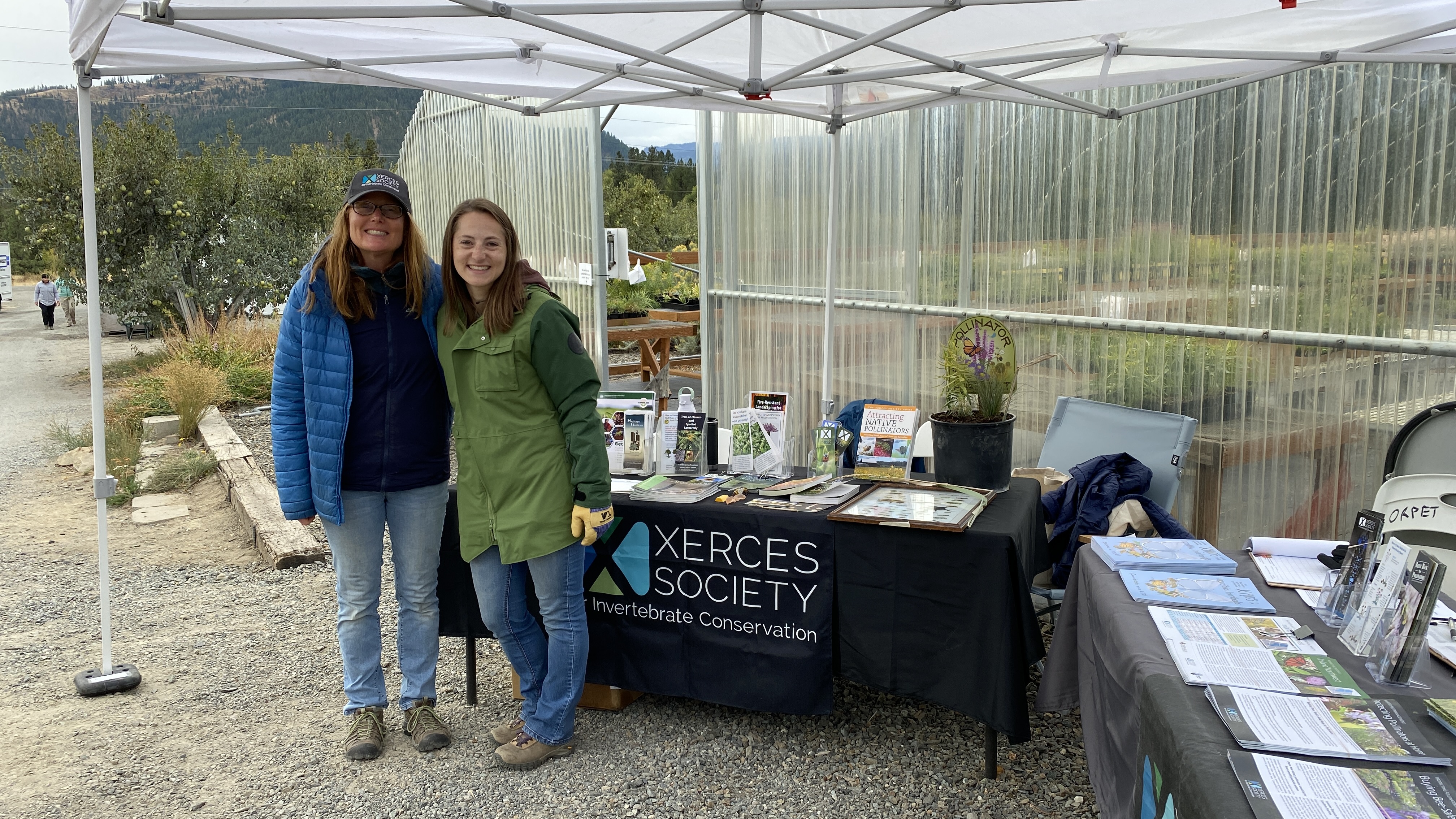
Derby Canyon Natives: Peshastin, Washington

Habitat kit distribution set-up at Derby Canyon Natives. Photo: Michele Blackburn / Xerces Society.
 

Transportation Tips
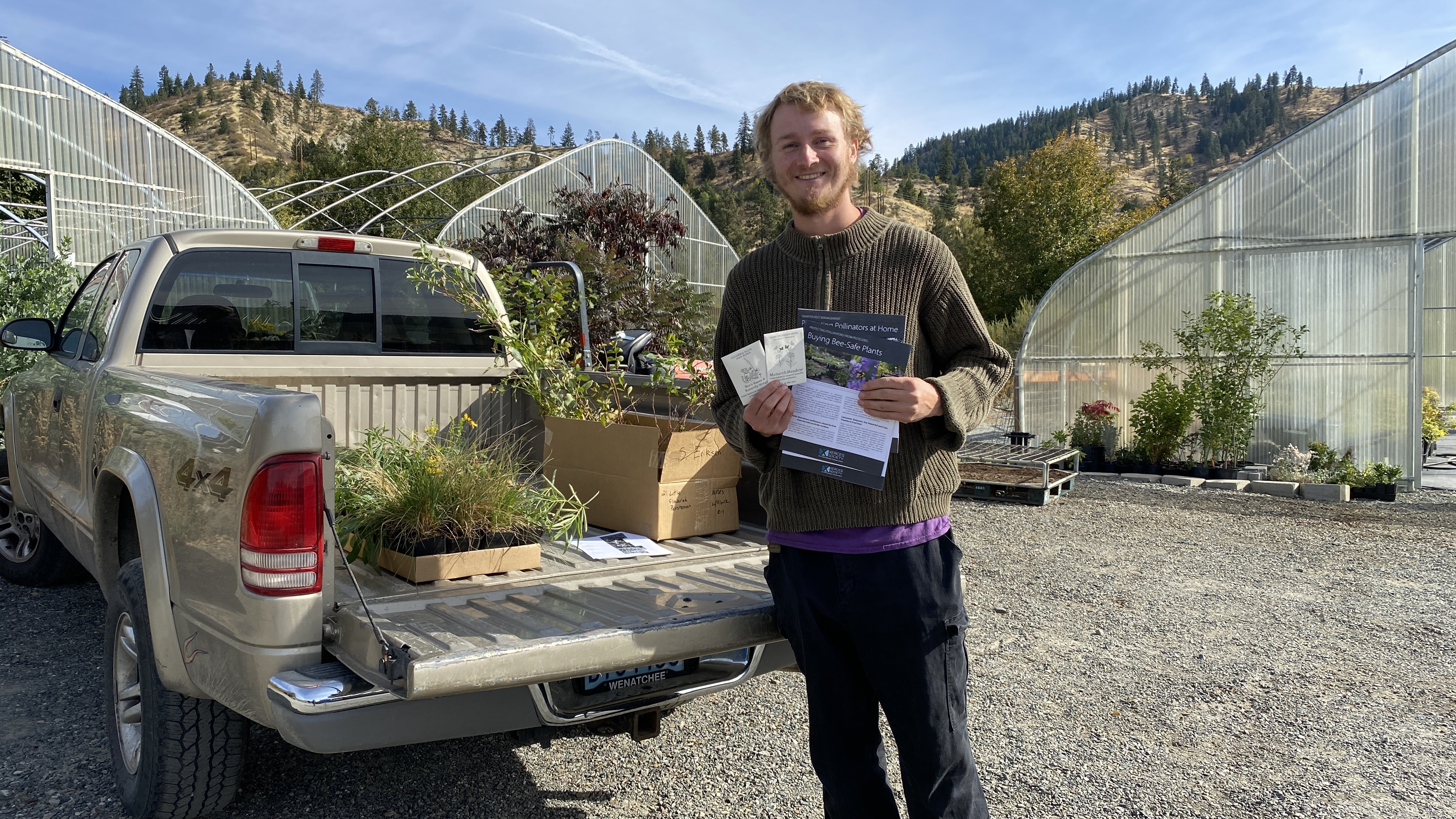
Garden Kit: Plants take about 4 ft2. Roughly, a 24 in x 24 in box.
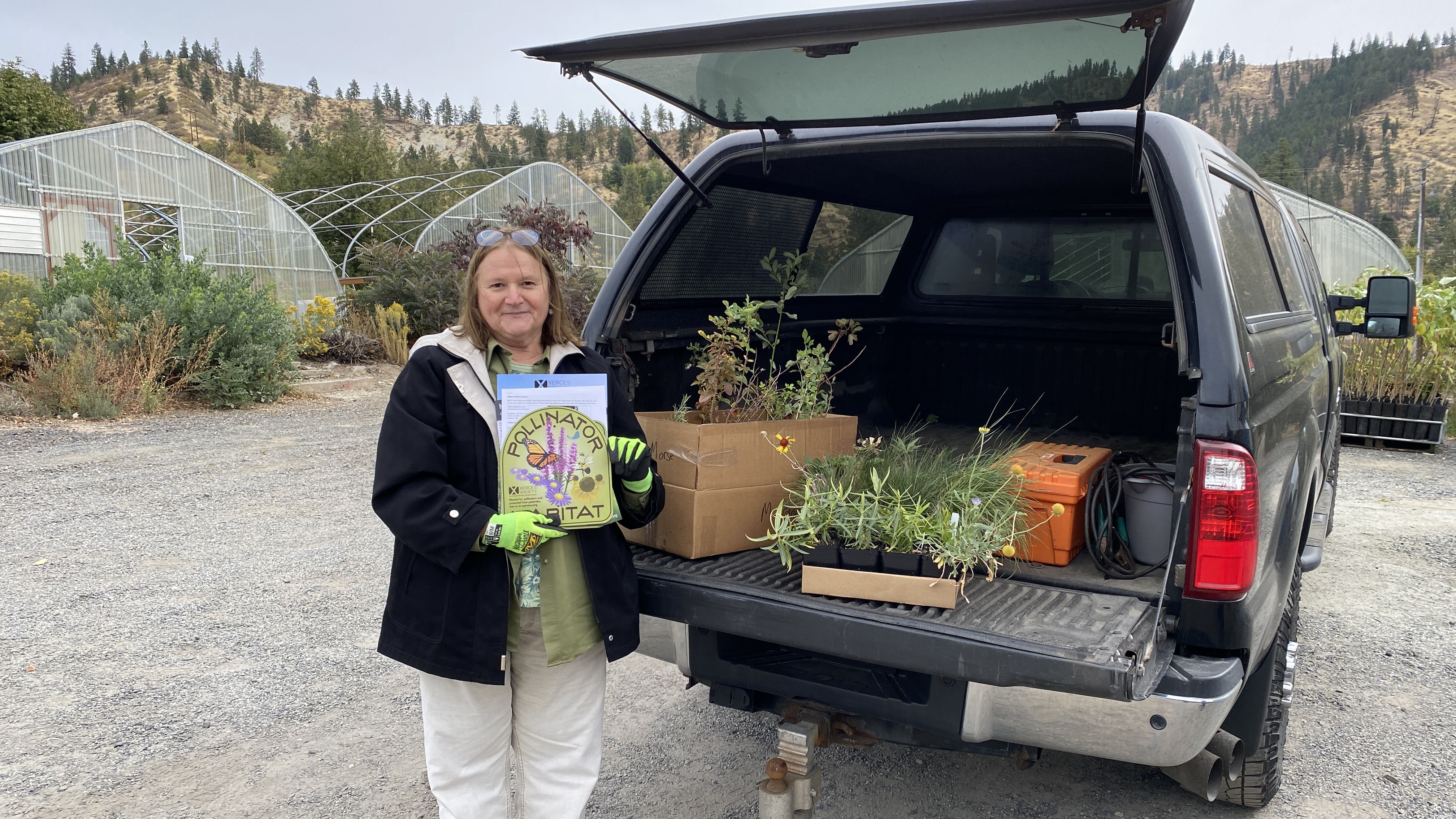
Hegderow Kit: Plants take up about 5 ft2. Roughly, a 27 in x 27 in box.


Example of a garden kit in the back of a truck. Photo: Michele Blackburn / Xerces Society.


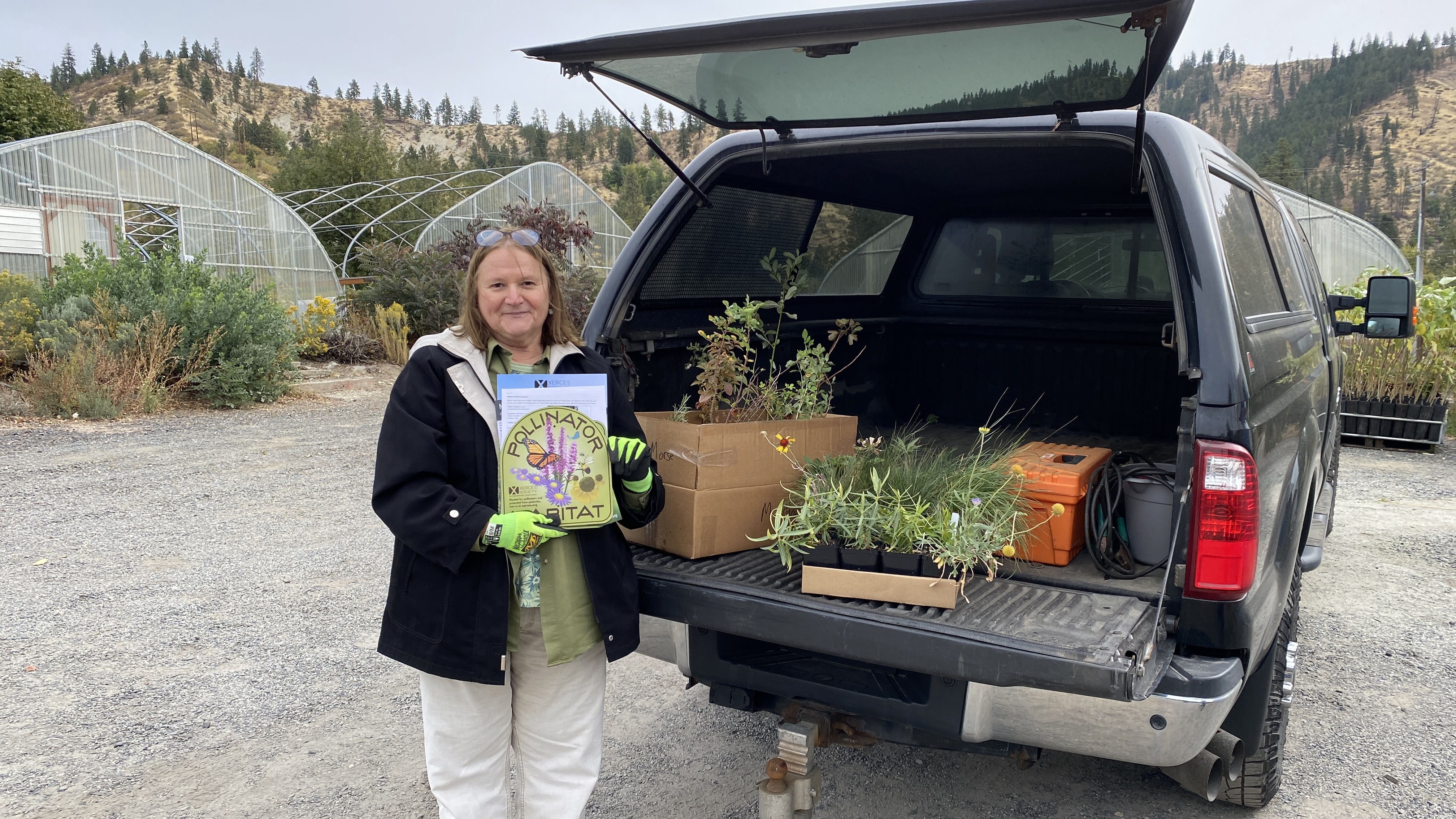
Example of a hedgerow kit in the back of a truck. Photo: Michele Blackburn / Xerces Society.

Note: You must submit the Project Partner Collaborative Agreement before receiving your kit(s).

Reporting is critical to the work that Xerces does, and we cannot count the results of your planting if you do not complete the required reporting. The information provided by all Habitat Kit participants helps Xerces update and improve the science-based conservation resources we offer through our website, training courses, and webinars.

Planting Notification Form
This report confirms the planting at the project site with photo documentation. 
Please submit your Planting Notification Form (PNF) by November 1, 2026.

Final Report
This report provides more information on the establishment of the plants. 
Please submit your Final Report by June 30, 2027.

If awarded a kit, you will receive a project partner collaborative agreement that outlines all specific reporting requirements.

This section provides an overview on site preparation, planting, and maintenance of habitat kit plantings. For more detailed guidance selected participants are encouraged to review the Washington Habitat Kit Planting & Maintenance Guide.
 

Site Preparation 
Site preparation is the most crucial step for having a successful planting.

  • Weed removal: Remove all existing weeds, grasses, and competing vegetation from the planting area. This reduces competition for water, nutrients, and sunlight and gives young native plants a better chance to establish.
  • Mulch: Plan to apply a 3-4 inch layer of mulch (such as wood chips or weed-free straw) after planting. Mulch helps suppress new weed growth, protects soil from drying out, and moderates soil temperature.
    Wood chips can often be sourced for free by contacting local arborists in the spring. You can also use resources like https://getchipdrop.com/ to sign up for free mulch deliveries from local arborists.
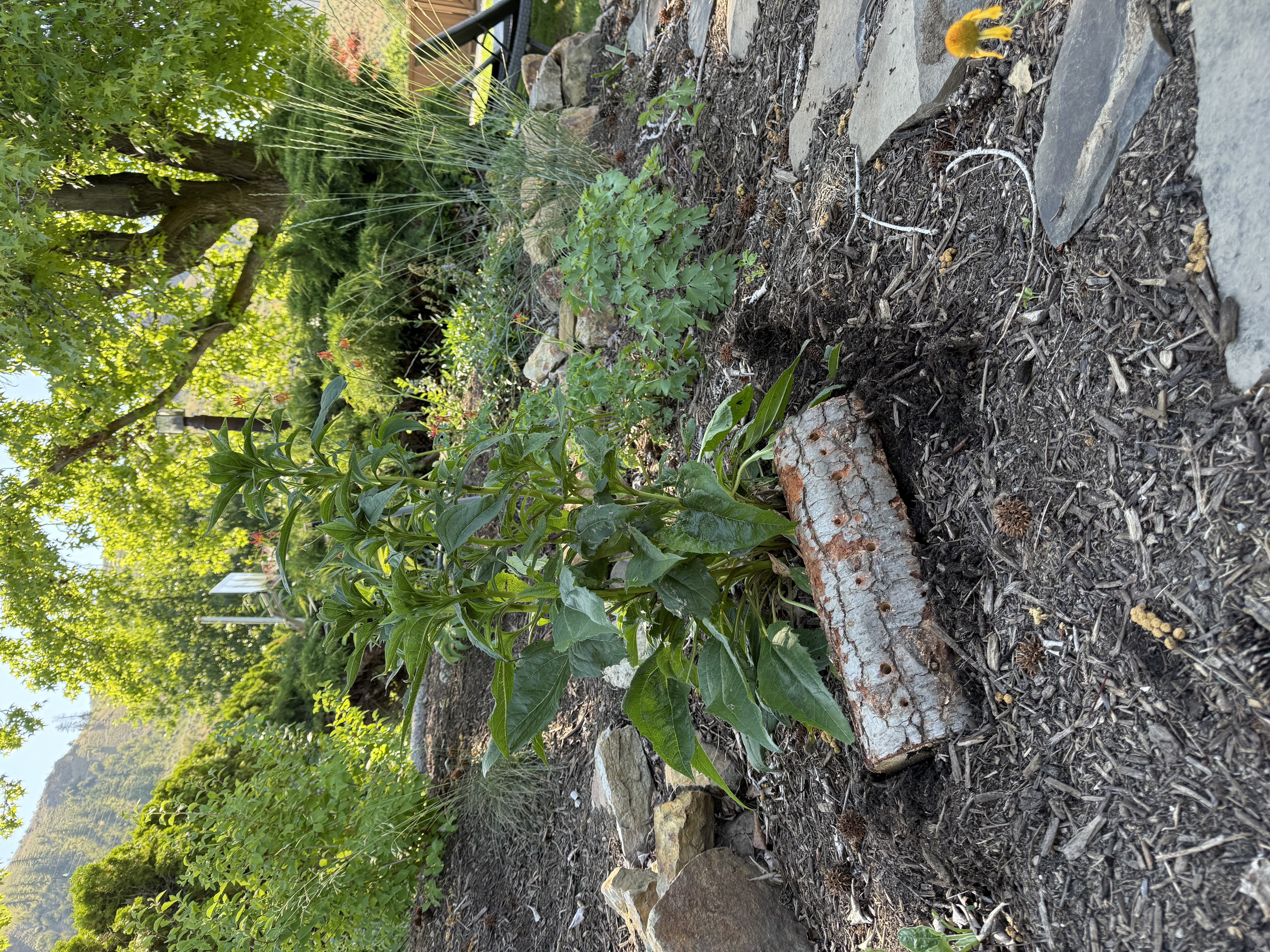
    Accept a few logs. Dead wood is a great habitat for a wide variety of beneficial insects.
  • Make sure you have enough space, depending on which kit you selected (see “Area and Layout” section  below)
     

Planting
Plant within 1–2 weeks of receiving your kit.

  • Tools:
    • Dibble sticks for plugs
      • Shovel or spade for larger plants
  • Hole size: Slightly wider and deeper than the plant container.
  • Planting steps:
    • Gently remove the plant, keeping the root ball intact.
    • Place the plant so the base is level with the surrounding soil.
    • Firm soil gently around the roots to reduce air pockets and moisture loss.
  • Important: Do not plant too deep or too shallow; the root crown must be at soil level.
  • Area and Layout:
    • The Garden Kit covers approximately 375 - 450 ft2.
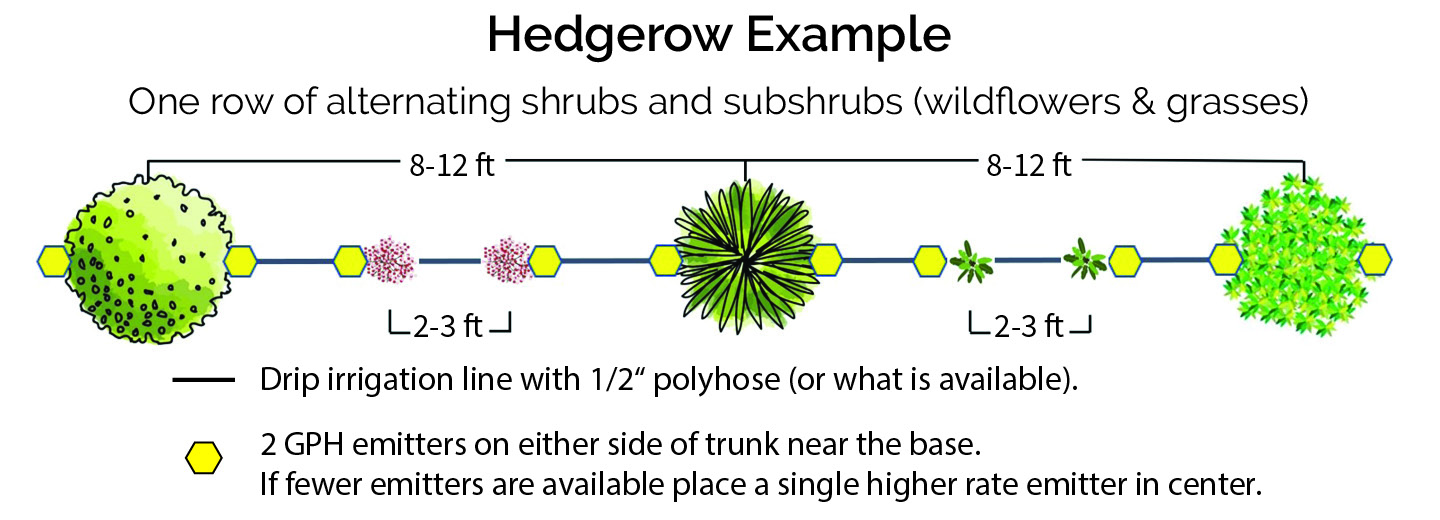
    • If planted linearly, the Hedgerow Kit covers approximately 120 linear feet. Large shrubs planted 8-12 feet on center with a group of 2 forbs, grasses, or small shrubs planted in the center (see below). If planted like a more traditional garden, this kit covers approximately 600 - 675 ft2.


Maintenance

  • Weed Control: Control weeds before and after planting. Weed frequently in the first two years while plants establish.
  • Irrigation:
    • Water thoroughly immediately after planting.
    • Water frequently during the first full growing season after planting. Resume watering in the spring when soils dry and stop when fall moisture returns.
    • Drip irrigation is recommended to reduce weeds and save water.
    • After the 2-3 growing seasons, once plants have established, irrigation can't be reduced significantly or stopped completely.
  • Long-Term Care: 
    • After the first year, gradually reduce irrigation.
    • By year three, most native plants will need little to no supplemental water.
    • Reapply mulch if weeds persist, or allow plants to fill in naturally.
    • Leave dead stems and leaf litter in spring. They provide nesting and overwintering habitat for bumble bees.
  • Resources:

Pollinator Conservation Resource Center
Here you'll find region-specific collections of publications, native plant and seed suppliers, and other resources to aid in planning, establishing, restoring, and maintaining pollinator habitat—as well as materials to help you learn about the species of invertebrates and native plants you might encounter.


Additional Resources

Information for each species of plant
Cascadia Conservation District Native Plant 101 Course Registration and Recordings
Xerces Bring Back the Pollinators
Xerces: Who are the pollinators?
Publications Library
Xerces Society YouTube Channel
Bug Banter Podcast
Resources for Educators
Habitat Assessment Guide for Pollinators in Yards, Gardens, and Parks
Guidance to Protect Habitat from Pesticide Contamination
Persistent Herbicide Restrictions
Restricciones Persistentes de Herbicidas
Get Involved! Project Partners are encouraged to use their habitat kit plantings for education and outreach. Xerces has several Community Science Opportunities.

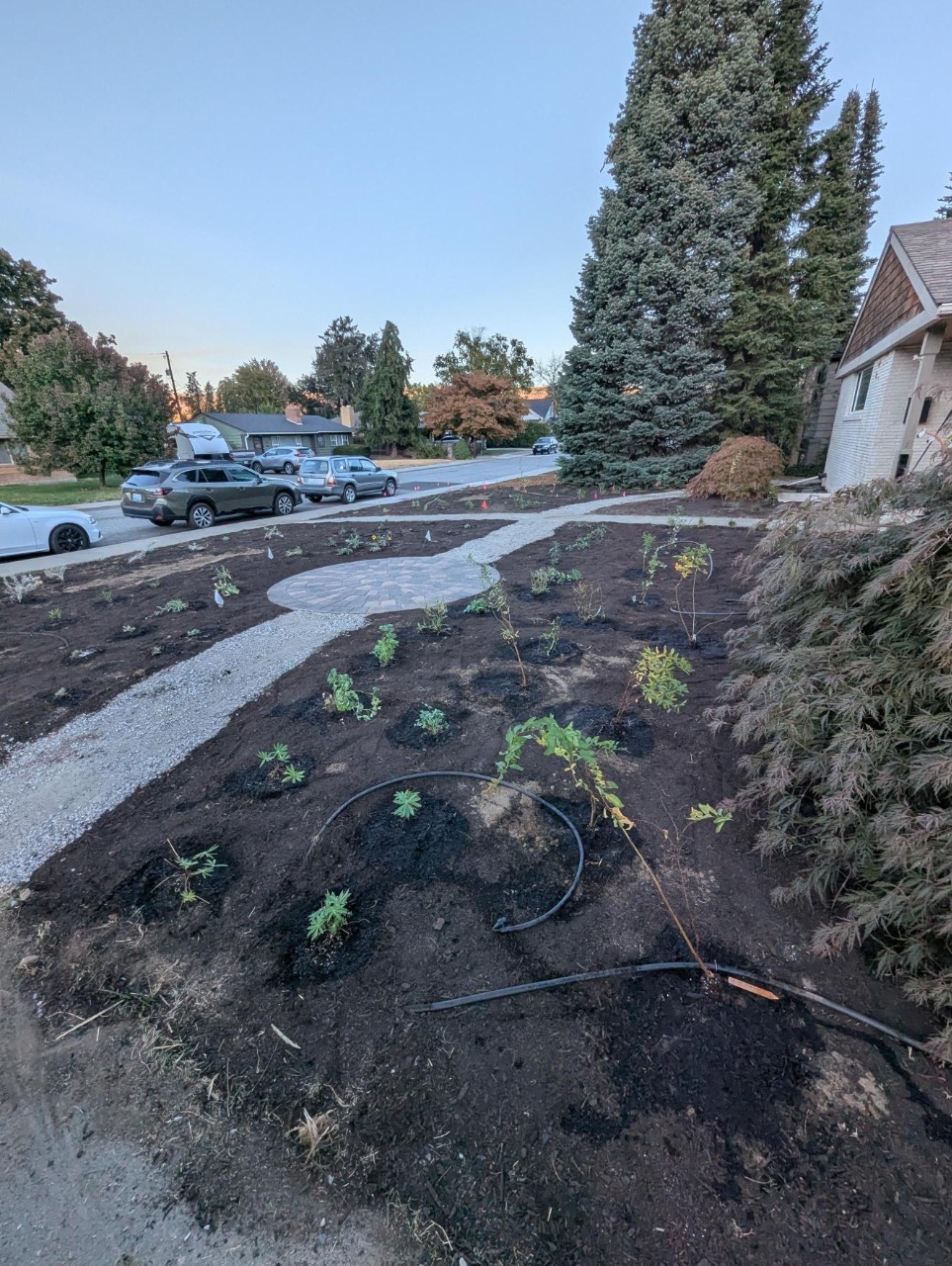
Residential habitat kit planting. Photo: Julie Banken.


Residential habitat kit planting. Photo: Mark Cooney.


Residential habitat kit planting. Photo: Ben Edwards.

Who should I contact if I have questions?
You can contact us at [email protected] with any questions about our Washington Habitat Kit Program.

How do I participate in the Habitat Kit Program?
Project proposals for Washington Bumble Bee and Pollinator Habitat Kits will be available each year in February/March. The form asks for information about where the kit will be planted, size of the area, and plans for site preparation, management, and maintenance, as well as plans for pesticide risk mitigation and outreach opportunities, if applicable.

Can previous habitat kit recipients submit a proposal to participate in the program again?
Yes, former recipients are welcome to submit a proposal to participate in the habitat kit program again.

When will I be notified if my project has been selected to receive a kit(s)?
Selected project partners will be notified by email between early to mid-May.

Can I have the kit delivered to me?
Kit delivery is not available. You must pick up your kit from a central kit distribution location (likely near Wenatchee, WA) in late September or early October (location, date, and time TBD).

How did you decide what plants to include in the kits?
Plants are selected using multiple sources, including bumble bee visitation data from the Pacific Northwest Bumble Bee Atlas, butterfly host plant information, published research, and expert input. We also consider plant availability, climate suitability, regional appropriateness, and overall value to pollinators. Whenever possible, we include important host and nectar plants for other declining species. All kit plants are native to Washington.

I would like to create a pollinator garden at a school (or other public place). Which kit type should I choose?
The best kit depends on the size of your planting space. Garden Kits are smaller and work well for compact areas. Hedgerow Kits require more space and are better suited for larger sites. Schools and public places may apply for either kit type, as long as there is adequate room for the plants.

Are habitat kits organic?
Habitat kits are not certified organic, but are grown without the use of harmful pesticides.

Can I purchase a kit on my own?
The kits are not available for sale. The Xerces Society has a wealth of resources available at no cost on our website through the Pollinator Conservation Resource Center, which can help you in your efforts to create pollinator habitat.

Can I get technical assistance for creating and maintaining my kit?
Yes! We are happy to help. You may contact us at [email protected] with questions about your project and for advice on how to ensure that your project will be successful. You can also find a variety of information and materials on our website, particularly in the Pollinator Conservation Resource Center.
If you are interested in planting a kit on working lands, you may also want to seek technical assistance from your local Conservation District or the NRCS.

I do not live in Washington. Am I eligible for a kit?
While this particular habitat kit program is only available in select regions of Washington, we do have habitat kit programs in other regions. If you would like to be added to our contact list, please fill out this form.

How can I support the Xerces Habitat Kit program?
Become a member of the Xerces Society! This program is made possible through the generous contributions of Xerces members.

This program is also made possible with support from The National Fish and Wildlife Foundation, the US Forest Service, and the USDOI Bureau of Land Management.

The views and conclusions contained here are those of the authors and should not be interpreted as representing the opinions or policies of the U.S. Government or the National Fish and Wildlife Foundation and its funding sources. Mention of trade names or commercial products does not constitute their endorsement by the U.S. Government, or the National Fish and Wildlife Foundation or its funding sources.

What is required of all selected kit partners?
All selected kit partners are asked to:

  • Sign Agreement: Complete and return the Project Partner Collaborative Agreement (PPCA) before picking up your kit.
  • Prepare Site: Get your site ready for planting by removing existing vegetation. We recommend adding mulch (wood chips or weed-free straw) to help reduce weeds.
  • Pick Up Plants: Pick up your kit plants at the designated location and time, or reach out if you need to discuss other arrangements.
  • Plant: Plant your kit within two weeks of pickup for best survival. Until plants are in the ground, water daily and keep them out of full sun to reduce stress.
  • Submit a Planting Notification: After planting, complete the Planting Notification Form (PNF) online and share a few photos.
  • Submit a Final Report: Submit a short online report the following June, including plant survival info, photos, and any outreach activities.

You can contact us at [email protected] with any questions about our Washington Habitat Kit Program.


Meet our Washington Habitat Kit Team:

Michele Blackburn
Endangered Species Conservation Biologist


Michael Trier
Inland Northwest Pollinator Habitat Specialist

Community-Building Opportunities
Mighty Networks (coming soon)
Habitat Kit Network Map (available in 2027)
Volunteer opportunities and other resources (e.g., at kit pickup events, XS Community Science opportunities, X-kids)

Social Media
When posting about the Xerces Society Habitat Kit Program, you can help us spread the word about invertebrate and habitat conservation by including context about Xerces’ mission and our habitat kit program for any of your followers who don’t already know. Need some talking points? Click here for some key information to share about the Xerces Society Habitat Kit Program.

Please tag us in your posts so we can see your progress! Here are links to our social media pages: