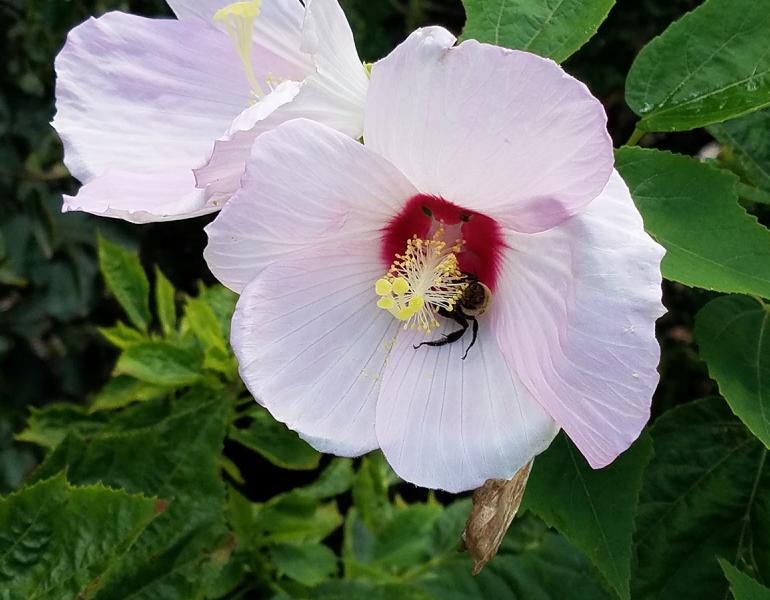
If you’re based in the eastern United States and you want a garden that hums with life in late summer, consider planting this native hibiscus. This dramatic perennial combines huge tropical-looking flowers with real ecological value.

Native Plants
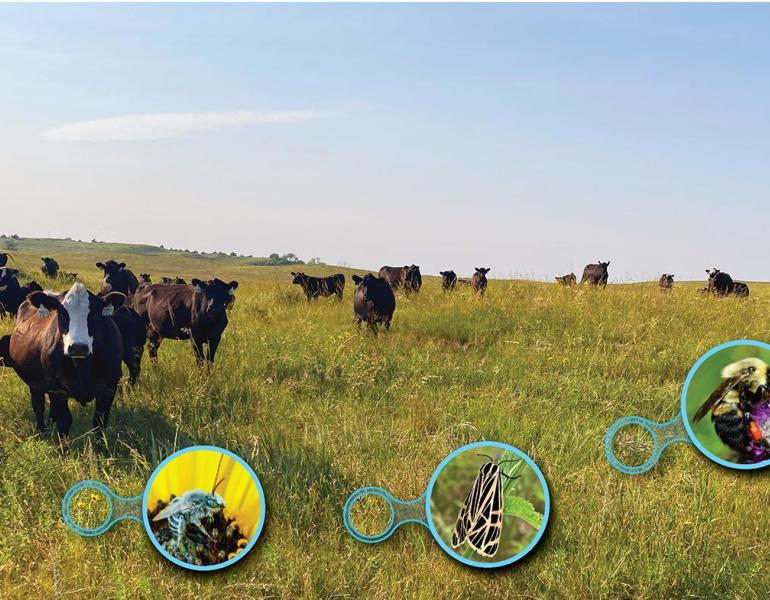
A Feast for All: Rangeland Wildflowers Feed Livestock and Pollinators
There is a lot more to the Great Plains (and livestock diets) than just grass! Meet some of the native wildflowers that benefit everyone "out on the range".
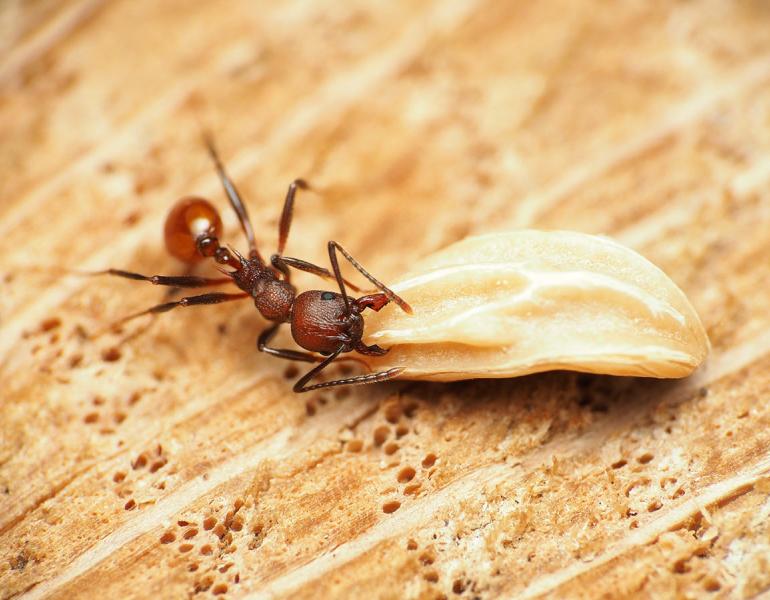
Myrmecochory: How Ants Shape Plant Communities
Birds aren’t the only animals that help move seeds to new places. Julie Michaelson shares how many plants actually have a secret seed-carrying partnership with ants!
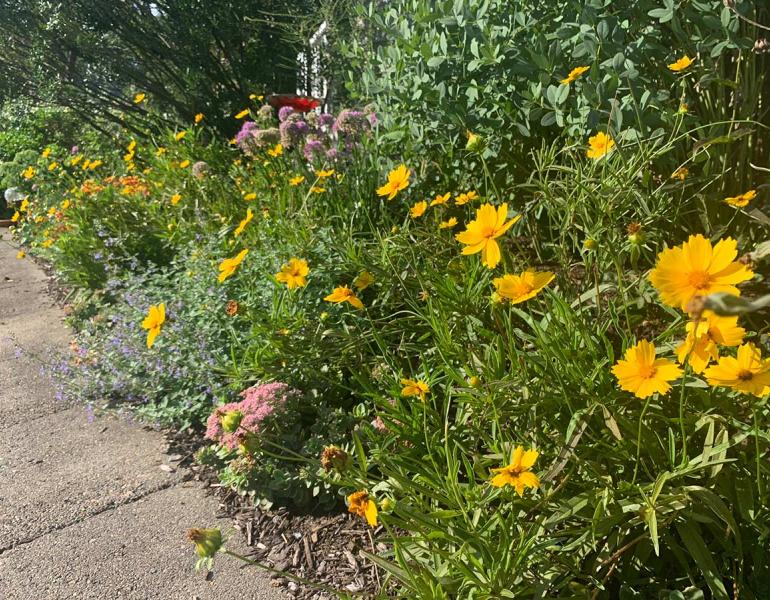
They Go with Everything: Even a Small Patch of Native Wildflowers Makes a Difference
Jennifer Hopwood shares how adding even a few plants is the perfect complement to the other habitat features of your yard, garden, or balcony.
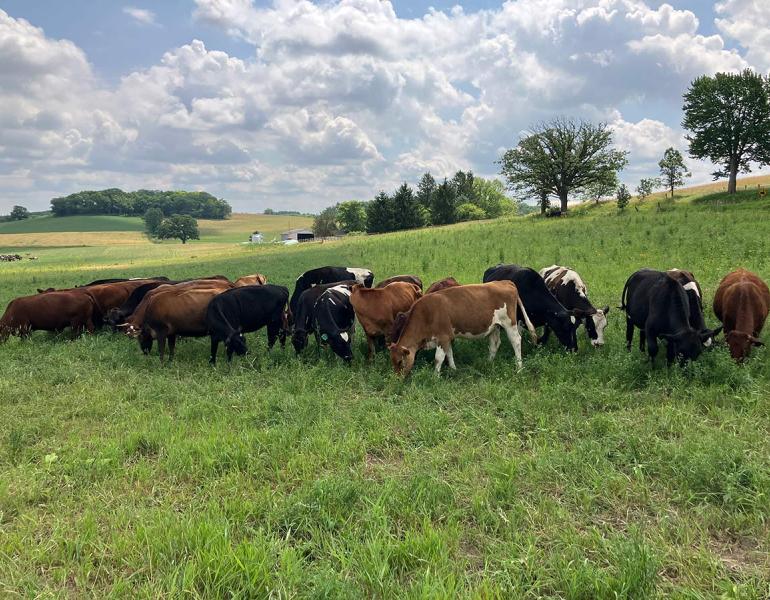
Planting Native Prairies Makes for Grazing Pastures that Support Both Cows and Pollinators
Micah Kloppenburg shares his ruminations from a small farm in Wisconsin experimenting with conservation-forward practices
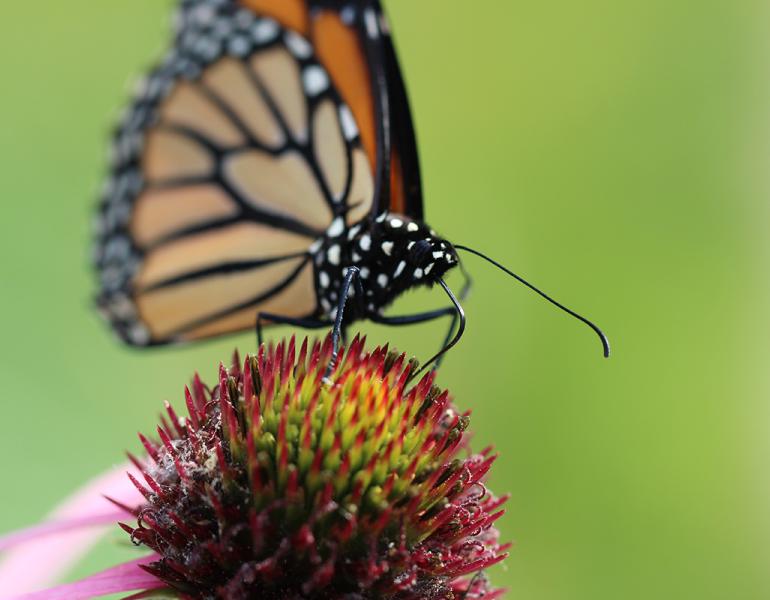
What is a Monarch’s Favorite Nectar Plant? Scientists are Seeking Your Observations
Xerces scientists are seeking your observations to learn more about adult monarch nectar plant preferences. Our revised system for this community science opportunity has made it easier than ever to submit data about monarch butterflies and the flowers they are nectaring from.

Insects Are a Lot Like Us
Like us, insects are parents, siblings, homemakers, farmers, community members, and innovators. Like us, they can be resourceful, insightful, decisive, and prone to copy their peers. As we continue to energize more people to act on behalf of insects, these similarities matter. The stories and struggles of insects can help us to recognize their inherent value, regardless of their relationship to us.
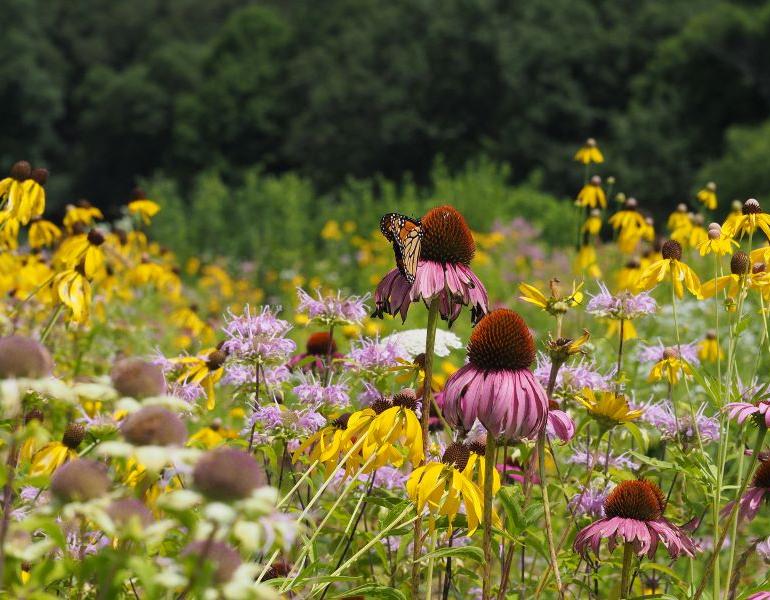
For Wildlife and Humans, Native Plants Are a Key to Climate Resilience
In our work, we regularly put an emphasis on the importance of using native plants when creating habitat, whether it’s a new prairie, a farm hedgerow, a meadow in a park, or a flower border in your own backyard. Pollinators are often the principal interest for these types of projects, but the benefits of using native plants go far beyond, including, potentially, into a more climate-resilient future for people and wildlife.

Meet the Partners Saving Pollinators with Xerces’ California Habitat Kits
Over the past three years, Xerces’ California Habitat Kit program has given away over 105,000 plants to partners all across California who are interested in creating habitat for monarchs and other pollinators. We’ve been able to work with some really great people as part of this program who have helped to create habitat in a variety of landscapes.
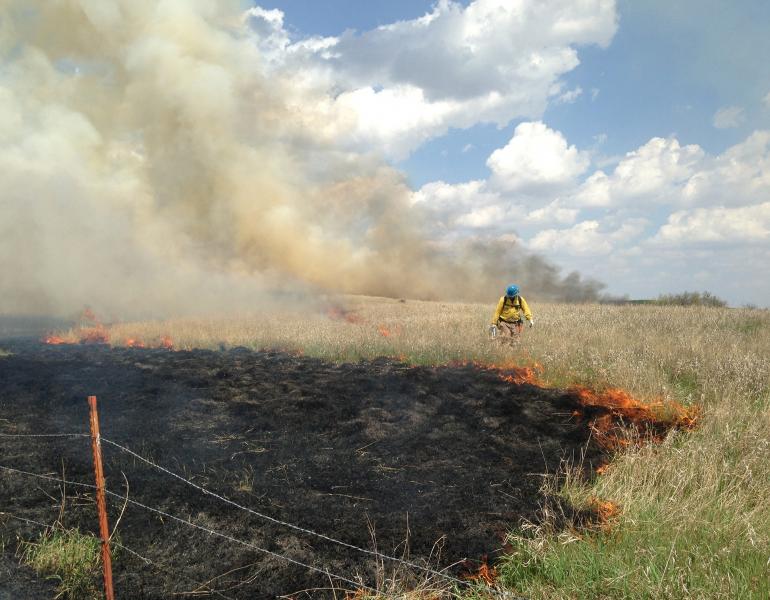
Burning the Land
Fire has been used to manage prairies for centuries, and remains an important tool for grassland managers to reduce woody plant encroachment and increase flower production of key nectar and pollen sources. However, burning entire landscapes is problematic for pollinators, and fire must be used carefully.
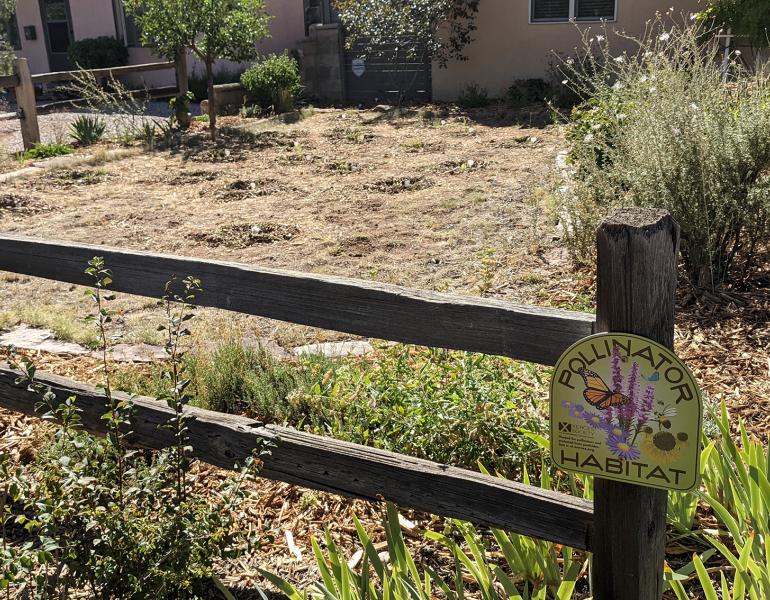
Santa Fe Pollinator Habitat Kit Program Connects Pollinators and People
In Santa Fe, NM, Xerces is working with local partners to develop a city-wide Pollinator Trail focused on creating connected habitat through neighborhoods that lack greenspaces. In September, after months of planning and preparation, 350 habitat kits were distributed to residents and organizations. When many people come together around a common goal, small efforts can quickly add up to large-scale conservation.

Climate News: Nature-Based Climate Solutions Address Climate Change and Support Pollinators
Habitat restoration can contribute to countering climate change. Native trees, shrubs, flowers, and grasses increase carbon sequestration, while also providing habitat for butterflies and bees.

The Return of Wild Pansies at Polk City Cemetery
In Iowa, volunteers are working hard to restore an area of old prairie. They are seeing signs that the grassland is recovering, including the regrowth of pale coneflowers and wild pansies.
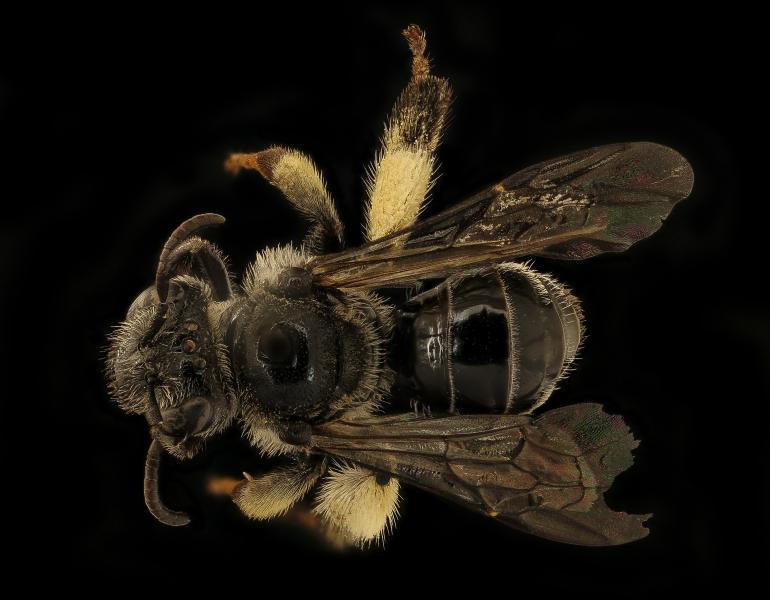
Wetlands as Pollinator Habitat
A bee that collects floral oils rather than nectar? Yes! The nude yellow loosestrife bee relies on a single species of wetland plant, fringed loosestrife, to supply its nest, demonstrating the importance of protecting, restoring, and managing wetland habitats.
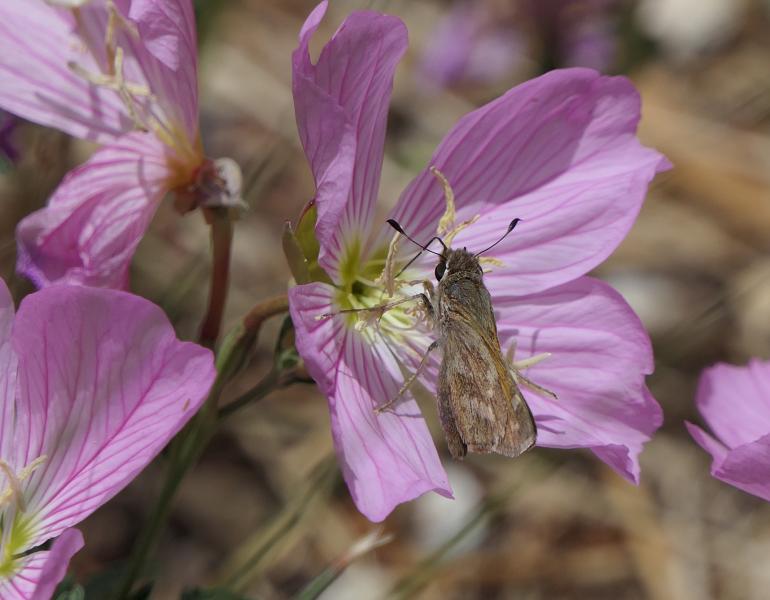
New in Santa Fe: Pollinator Trail and Habitat Kit Program
Santa Fe, New Mexico, is the home of our pilot Pollinator Trail program, which aims to address habitat loss in urban areas. The project will create connected, climate-resilient pollinator habitat in an urban landscape through the distribution of habitat kits and development of partnerships with local organizations to conduct pollinator conservation outreach.

Standing Up for Native Thistles
Native thistles are beautiful, important wildflowers and yet, are frequently treated as weeds. In late 2018, we had an opportunity to give native thistles a boost in Iowa by urging changes to state noxious weeds code. Six months later we heard that the weed laws had been rewritten.
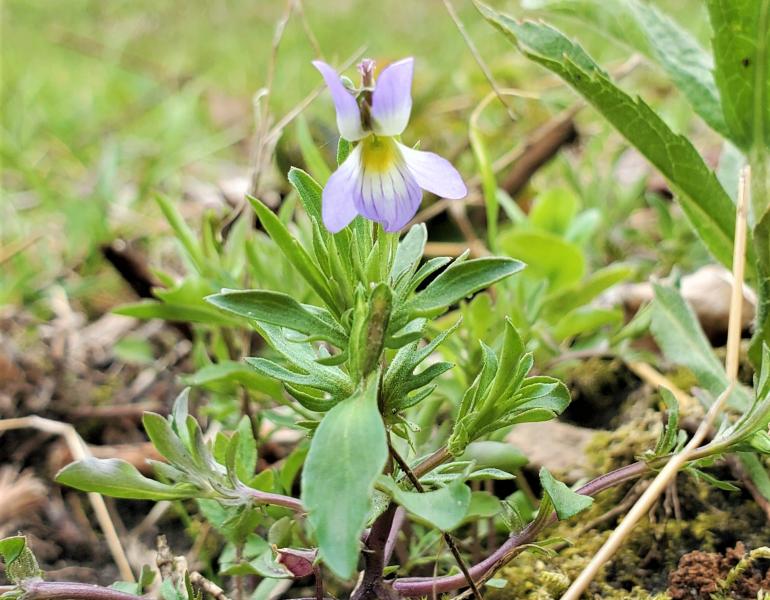
Discovery of a Rare Plant Through Remnant Prairie Restoration
Less than one-tenth of a percent of Iowa's native tallgrass prairie remains. The scraps that survive are valuable refuges for less-common plants and deserve thoughtful management.
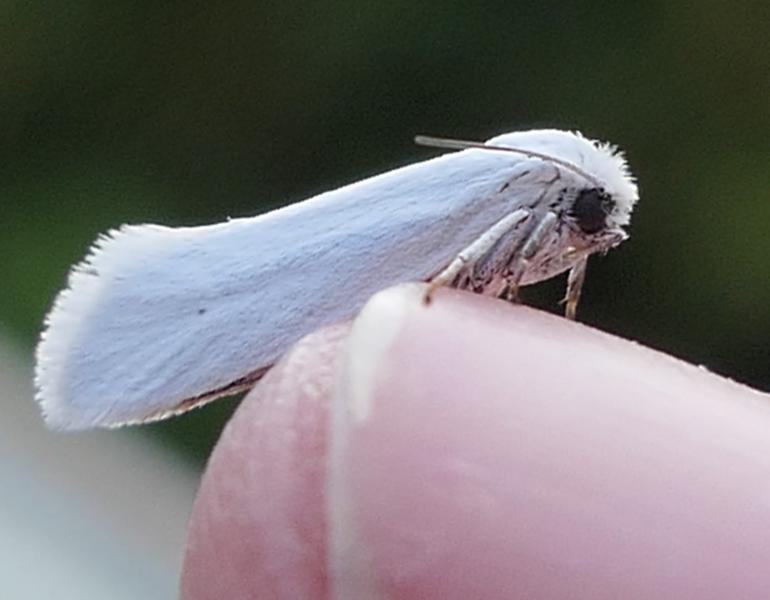
The Night Shift: Moths as Nocturnal Pollinators
The work of pollination is never over—even after dark! While some flowers close when the sun goes down (the technical term for this is floral nyctinasty), most flowers are still accessible at night. When our day-active (diurnal) pollinators turn in for the evening, nocturnal pollinators such as moths, bats, beetles, and even some species of bees take on the night shift to feast on nectar.
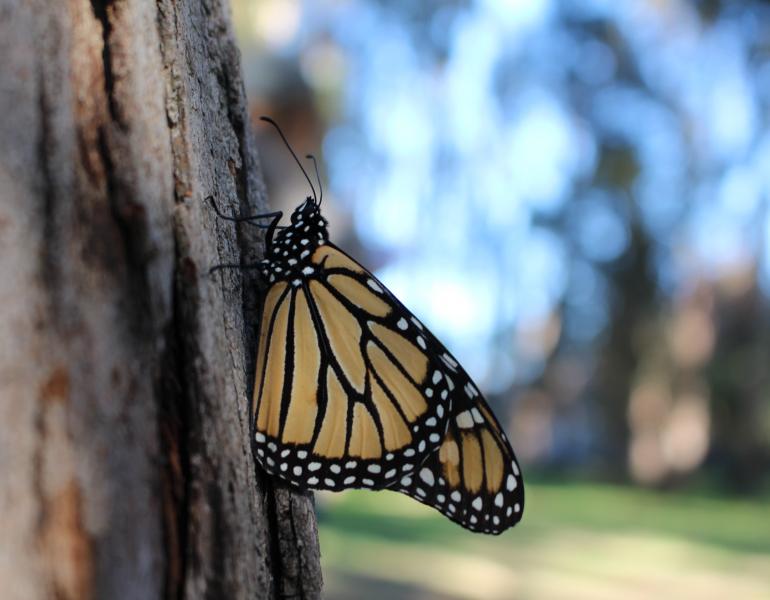
Thanksgiving Count Shows Western Monarchs Need Our Help More than Ever
The western monarch population remains at a critical level. With some luck and a lot of hard work, we have hope that we can save this incredible migration.
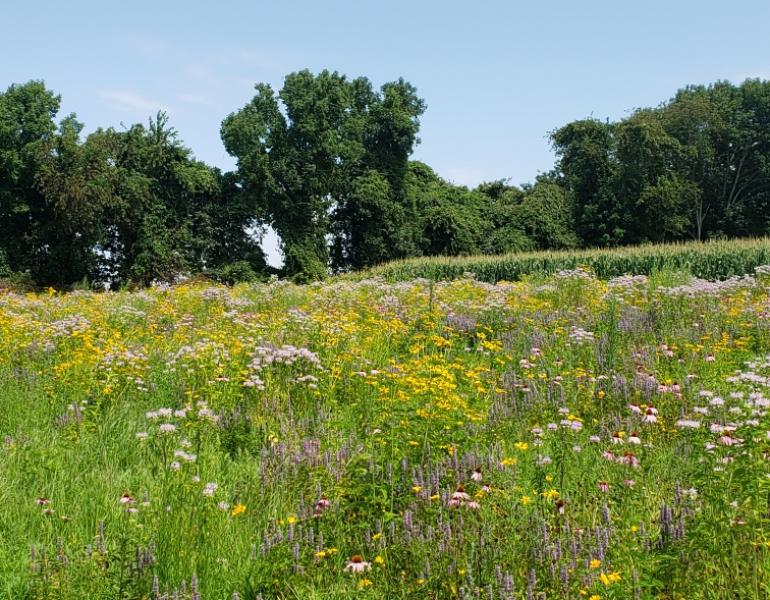
Pollinator Conservation Program Digest – December 2019
December's featured staff offer a long-range view of habitat projects, from the planning and seeding stages, to current successes. In each of these stories, the ongoing work and great partnerships required to achieve positive conservation outcomes is apparent. Thank you to everyone who has been a part of these efforts!
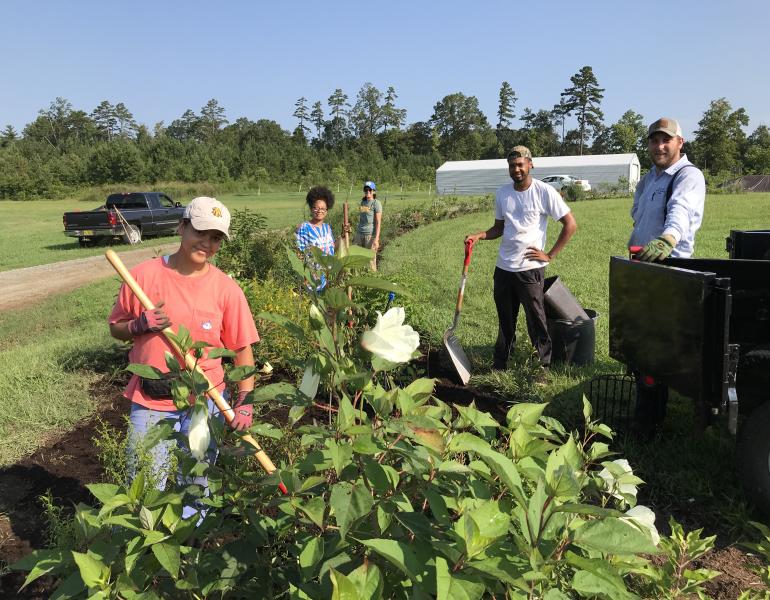
Pollinator Conservation Program Digest – February 2019
February’s featured staff member has been working on a hedgerow incorporating diverse native species in North Carolina. Here she reports on its progress and the interesting invertebrates sighted on the plantings!
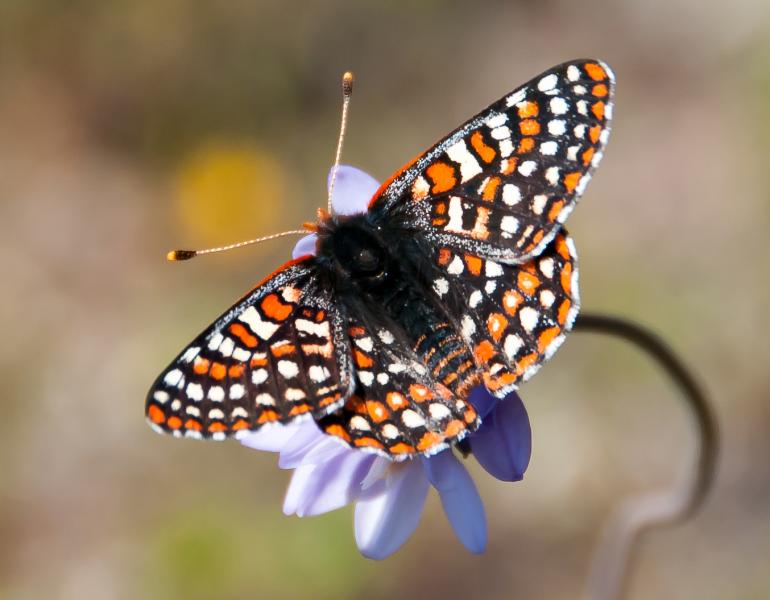
National Butterfly Center Gets Reprieve—But Border Wall Will Impact Much More
There are many reasons to oppose the wall along the southern border—including the loss of habitat for some of our smallest and most important animals.
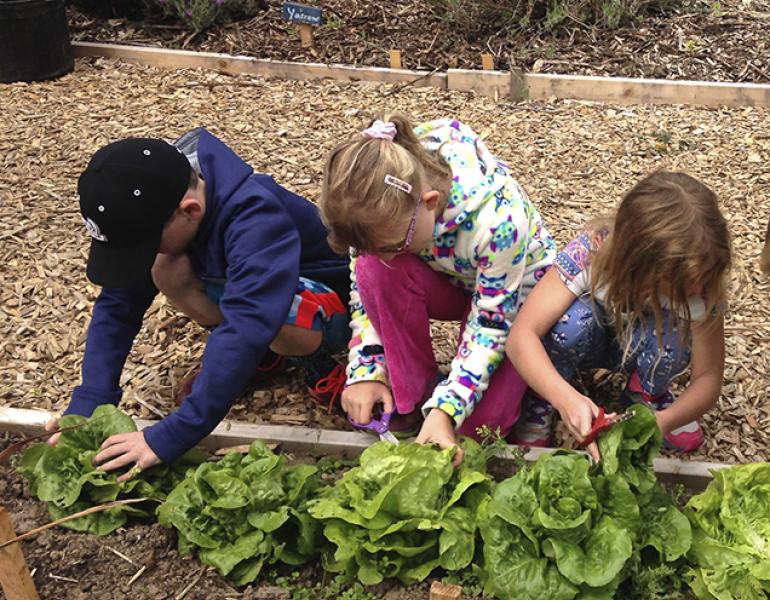
Cedaroak Park Primary School Gardens Offer Learning Opportunities
Jenni Denekas, Xerces' web and communications coordinator, writes, "Being assigned to create an interpretive panel for Cedaroak Park Primary School, where I attended grade school, was a special experience."

Fall Garden Tips to Benefit Bumble Bees All Year
The growing season may be winding down, but fall is an important time to create habitat. The work you do now will help support overwintering pollinators and the next generation of bumble bees.

From the Field: Trees for Bees
Our Mid-Atlantic Pollinator Conservation Specialist Kelly Gill visited the Mt. Cuba Center in Hockessin, DE, to tour the gardens and give a talk on the best trees for bees. Kelly shares highlights of this visit and her top picks for spring-blooming trees for bees.
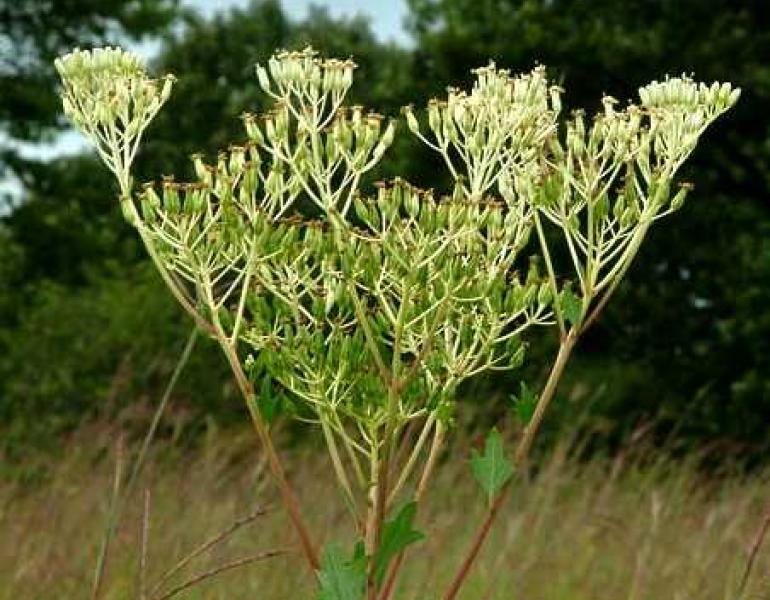
Weird and Wonderful Plants for Pollinators: Pale Indian Plantain
Pale Indian plantain is a plant with high ambitions—leaping to up to nine feet in height! The unusual flowers are visited by a mix of predatory wasps, which are the plant's primary pollinators and provide some of the best pest control you could ask for.
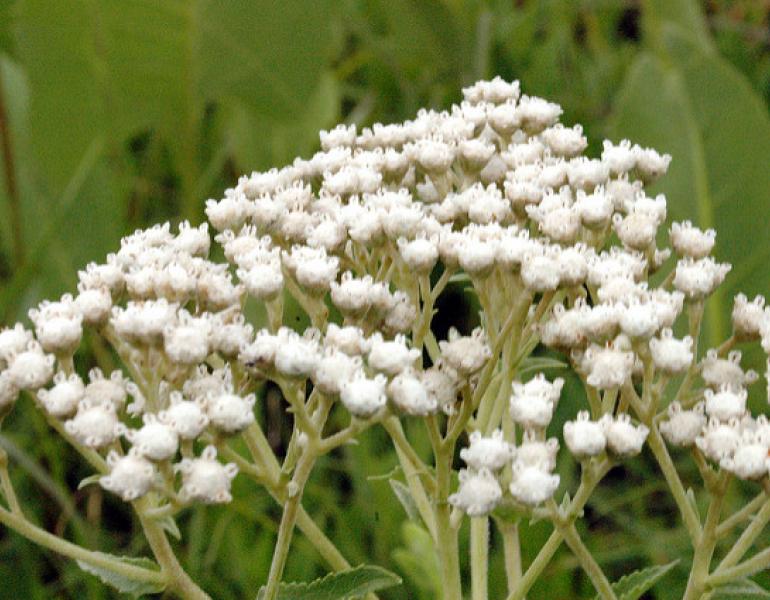
Weird and Wonderful Plants for Pollinators: Wild Quinine
Also known as wild feverfew, this plant has a long history of medicinal use by Native Americans and the US Army. During World War I, wild quinine was used as a substitute for the bark of the Cinchona tree—as the active ingredient of quinine used to treat malaria.
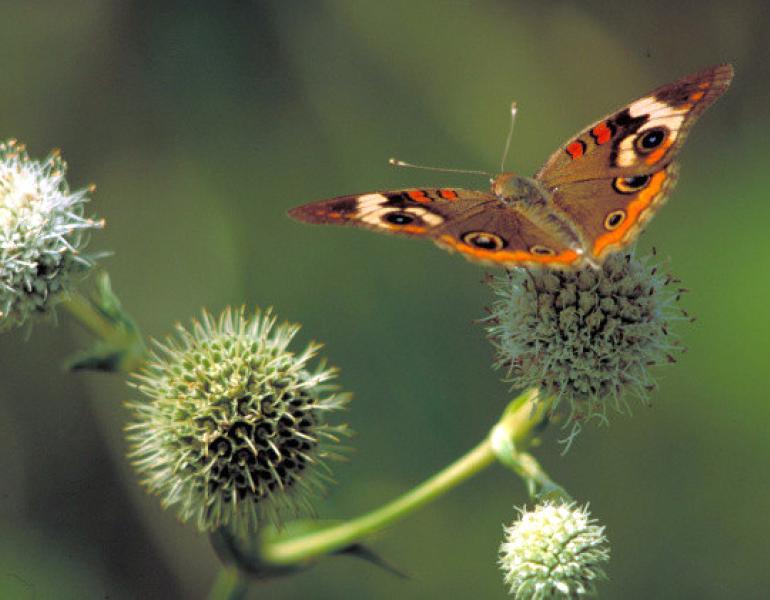
Weird and Wonderful Plants for Pollinators: Rattlesnake Master
It won't protect you from a snake bite, but rattlesnake master still has many virtues to recommend it.

Weird and Wonderful Plants for Pollinators: Prairie Smoke
Where there’s smoke, there’s fire - but where there’s prairie smoke, there are bumble bees, buzz-pollination, and a bit of thievery.
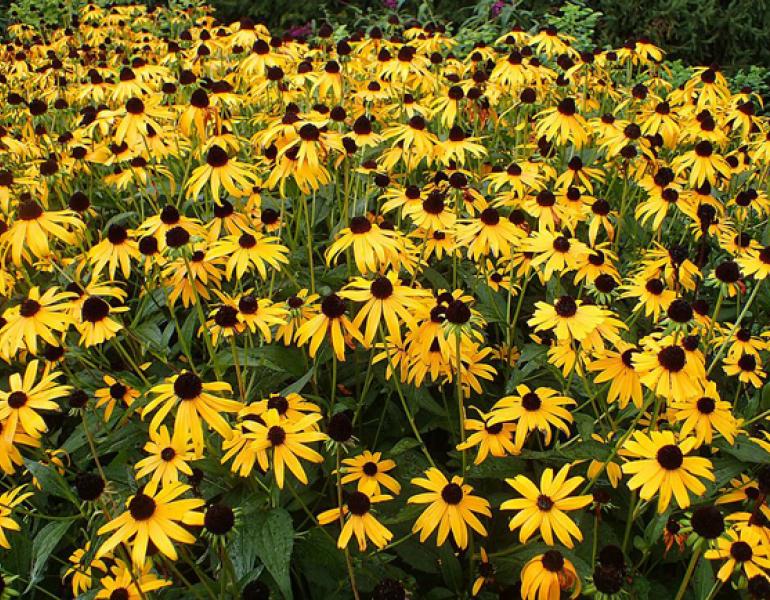
Picking Plants for Pollinators: The Cultivar Conundrum
What are cultivars, and do they have the same benefits to pollinators as non-cultivars? The answer depends—not all cultivars are created equally.
New on the Blog